Why Technology Can’t Replace Driver Caution
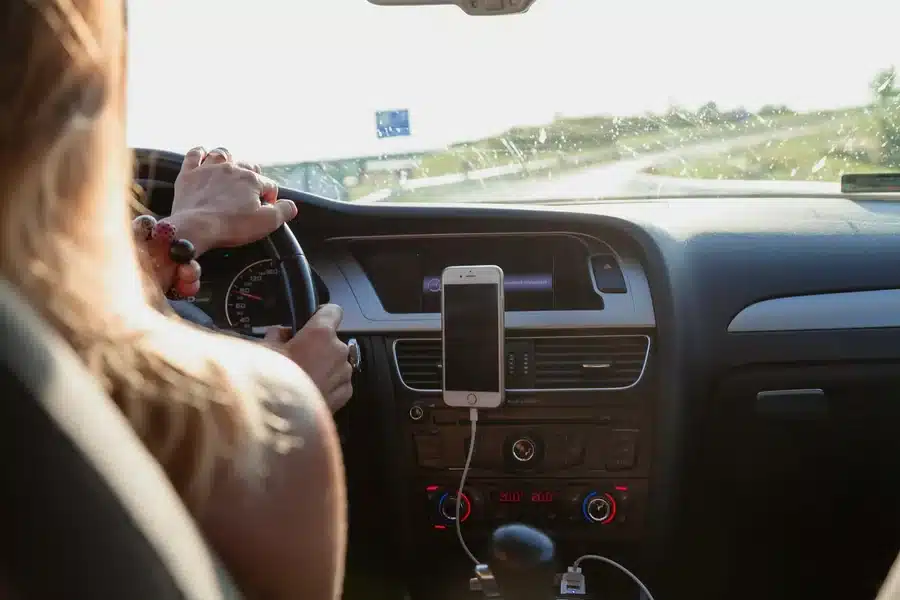
In the rapidly evolving world of automotive technology, we are constantly presented with innovations promising safer and more convenient driving experiences. From ADAS to fully autonomous vehicles, technology is undoubtedly playing a significant role in shaping the future of transportation.
These advancements offer incredible potential to reduce accidents and mitigate human error. However, amidst the excitement surrounding these technological strides, it is crucial to confront a fundamental truth. Even the most sophisticated systems cannot fully replace the nuanced, adaptive, and responsible judgment that constitutes human driver caution.
This article examines the limitations of both current and emerging automotive technologies. It also highlights why the alert and cautious human driver remains essential to maintaining safety on our roads.
Real-World Accidents Prove Tech Isn’t Enough
Real-world accidents continue to highlight the limitations of vehicle technology and the critical importance of driver caution. Despite advancements in automation, partial self-driving systems can create a false sense of security. When drivers rely too heavily on these features, the consequences can be tragic.
According to Yahoo! News, a fatal crash in midtown Atlanta illustrates this danger. A Tesla reportedly ran a red light at Piedmont Avenue and Monroe Drive, colliding with a box truck. The impact drove the front of the Tesla under the truck, killing the driver and a passenger and critically injuring three others.
Despite its advanced features, the vehicle could not compensate for a lapse in human judgment. In this case, consulting an Atlanta car accident lawyer is also crucial.
According to the Atlanta Personal Injury Law Firm, insurance companies often pressure victims into quick settlements. Legal representation helps ensure injured individuals aren’t shortchanged before fully understanding the extent of their injuries.
The Promise and Pitfalls of Driver Assistance Technologies
The rise of Advanced Driver Assistance Systems (ADAS) in modern vehicles offers both promise and peril. Features like automatic emergency braking and adaptive cruise control are designed to reduce the driver’s workload and prevent common driving errors.
Research shows that these technologies can lower crash and insurance claim rates. However, their effectiveness is not guaranteed.
One major concern is reliability. Unlike minor tech glitches, a malfunction in ADAS, especially during lane departures or potential collisions, can be dangerous. Over-reliance on these tools can give drivers a false sense of security, diminishing attention and caution.
It’s also important to note that ADAS capabilities vary by manufacturer. While some systems may feel nearly autonomous, they are not substitutes for human control. These technologies are meant to assist, not replace drivers, and misusing them could result in serious consequences.
Loss of Driving Skills in High-Tech Vehicles
As vehicles increasingly handle core driving functions, there is growing concern that drivers’ fundamental skills may deteriorate over time. This issue is especially pressing for new drivers learning behind the wheel of cars equipped with ADAS. These individuals may never fully acquire the situational awareness or manual dexterity needed to respond swiftly in unexpected situations.
According to Drive, there’s mounting research indicating that heavy reliance on these technologies can diminish driver engagement quotestimes. This condition, often referred to as “automation complacency,” is already well-documented in fields like aviation. Drivers may subconsciously delegate responsibility to the system, leading to increased distractions and slower reaction times when manual intervention becomes necessary.
A notable shift in driver behavior is the erosion of perceived responsibility. With ADAS features handling much of the workload, drivers may feel less personally responsible for their safety while on the road. This reduced sense of accountability can lead to a decline in defensive driving habits, potentially increasing the risk of crashes.
Misleading Claims and Driver Misuse
Automakers’ marketing of driver assistance technologies can blur the line between support features and full autonomy. Phrases like “Full Self-Driving” or “Autonomous Driving” often exaggerate a vehicle’s true capabilities. This leads some consumers to mistakenly believe their cars can safely operate without human intervention.
The confusion has led to dangerous misuse. Some drivers have even employed hacks, like placing objects on steering wheels, to trick safety systems into thinking they are paying attention.
An example of misleading claims was reported by AOL. A suburban New York man, Ashutosh Shankar, is suing Tesla after his vehicle, with the Autopilot feature activated, crashed into a tree. Shankar claims he purchased the car based on public statements by Tesla CEO Elon Musk, asserting that the cars could drive themselves.
The lawsuit accuses Tesla and Musk of making “misleading and deceptive statements” about the vehicle’s autonomous abilities.
The Limits of Sensors and Automation
Despite the promise of ADAS, their sensors, such as cameras, radar, and LiDAR, have limitations that can impact safety. These technologies rely on optimal conditions to function accurately, but adverse weather like heavy fog, snow, or rain can hinder their effectiveness. In such scenarios, human oversight becomes critical.
Drivers who overly depend on these systems may forget that their vigilance is often the most reliable line of defense.
According to an MDPI survey, various sensors used in autonomous vehicles (AVs), including ultrasonic sensors, GNSS, and IMUs, each have specific vulnerabilities. The study emphasized the need for strategies such as sensor calibration, fusion, and redundancy to enhance AV reliability.
However, these techniques come with drawbacks. Sensor fusion requires extensive data and training to function effectively, especially in complex driving environments. Meanwhile, the cost and complexity of advanced sensors remain significant hurdles in achieving fully dependable automation.
Frequently Asked Questions
What is the future scope of ADAS?
The future scope of ADAS includes enhanced automation, improved sensor fusion, and greater integration with smart infrastructure. These advancements aim to boost safety, reduce accidents, and pave the way for autonomous driving. However, human oversight will remain essential to ensure reliability in unpredictable real-world driving conditions.
What is the process for filing a car accident claim?
After an accident, report it to the police and exchange information. Capture photographic evidence of the scene and obtain witness statements/details. Notify your insurance company promptly and formally file the claim. Cooperate fully with their investigation and provide all requested documentation regarding damages and injuries.
While technology continues to advance, the human element remains irreplaceable in ensuring road safety. This is particularly evident in bustling cities like Dubai, where the demand for vigilant and experienced drivers is paramount. Employing safe drivers in Dubai is crucial, as they bring a level of awareness and adaptability that technology alone cannot match. These drivers are trained to anticipate and react to unpredictable situations, providing an added layer of security for passengers. Their expertise complements technological advancements, creating a harmonious balance that prioritizes safety above all.
What are the problems with AI in cars?
AI in cars faces several challenges, including sensor limitations in poor weather, misinterpretation of real-world scenarios, and cybersecurity threats. Over-reliance on AI can reduce driver vigilance. Additionally, ethical decision-making in emergencies and inconsistent performance across different driving environments make fully autonomous driving difficult to implement safely and reliably.
Technology has made remarkable strides in making driving safer, but it is not a panacea. The limitations of current systems, ranging from reliability issues to sensor failures, underscore the ongoing need for driver caution.
Ultimately, the most advanced technology cannot replace the vigilance, judgment, and responsibility of a human driver. As we move toward an increasingly automated future, maintaining and prioritizing driver caution is essential for truly safe roads.