8 Practical Ways to Use a Roof Rack For Your Next Adventure
Packing for a weekend trip usually ends up the same way. The cooler, tent, a couple of bags, and boots fill the truck bed before you even think about bikes or boards. Everything else gets shoved onto the back seat or between people’s knees.
Without enough storage options, every stop turns into a frustrating experience that may end up affecting the entire adventure outdoors. Having a good roof rack fixes that. Getting bulky stuff off the floor and out of the bed and placing it on the vehicle’s rooftop means more comfort inside.
It also means you can keep your recovery gear and camp essentials organized. Here are 8 practical ways to use your rack on the trail.
1. Free Up the Bed With a Second Storage Level
Adding a roof rack to your vehicle gives you another storage area without taking up any bed space. If you’re using your Toyota Tacoma, a Tacoma roof rack made for the vehicle model significantly increases your carrying capacity by utilizing unused space above the cab.
For instance, the Slimsport roof rack style sits just over the cab, while the Slimline II can fit over the cab or the bed. These Tacoma roof rack kits are also made for specific truck years, from 2005 to 2023, and the 2024 double cab, so they’ll fit your truck just right.
You can load the rack with camp chairs and other lighter items, then save the bed for the cooler. Keeping the heaviest stuff low in the bed also helps the truck feel more stable on bumpy roads.
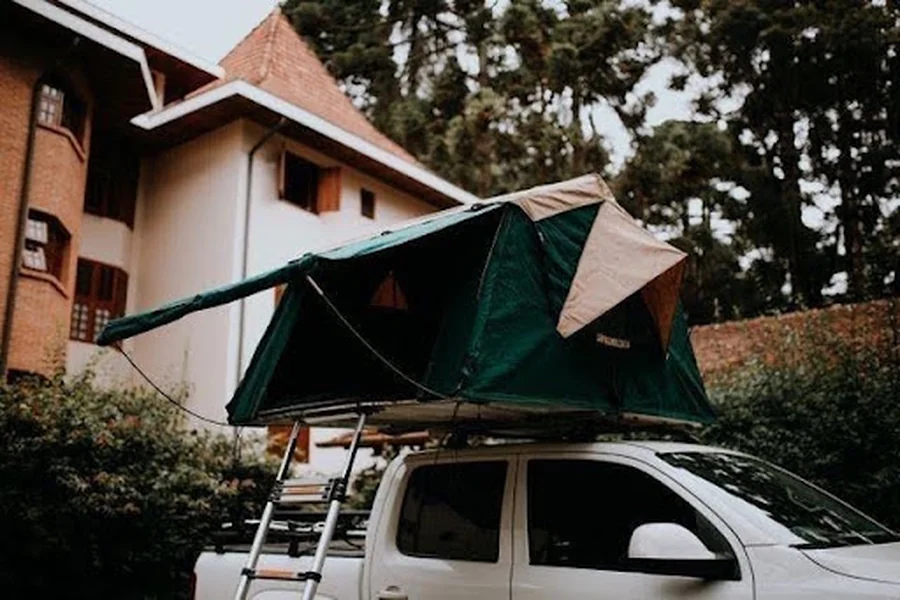
2. Use it to Set Up A Rooftop Tent
A rooftop tent transforms the cab into a ground-level sleeping area, keeping you above the mud, water, and animals. However, ratings are important before you buy one. Dynamic load is what the rack carries while driving; static load is what it holds while parked and with people inside.
When setting it up, ensure that the rooftop tent’s weight is less than the dynamic load rating. The combined weight of the rooftop tent and its occupants should also be less than the static load. If set up properly, a rooftop tent frees the vehicle bed for other important gear.
3. Allow You to Keep Gear Organized In Lidded Boxes
Loose bags tend to shift, rattle, and get soaked in the first rain shower. If you’re planning an outdoor adventure, stackable plastic boxes with locking lids are the answer to this challenge. Each box keeps its contents together, and the lids stay shut even on bumpy roads.
By adding a rack mounting bracket on your vehicle roof, the box stays put on the crossbars instead of sliding around. This allows you to sort items by purpose so that your kitchen gear, recovery tools, and spare clothes each have their own box. At camp, you can grab the right box in seconds, and you won’t have to dig through other stuff to find it.
4. Mount Recovery Tools Where You Can Reach Them
A shovel buried under bags is useless when your tires are stuck in sand somewhere on one of your adventure trails. However, if you add roof-mounted brackets to your rack, you have a place that can hold it in place, as well as other recovery tools for easy access.
A roof rack provides enough room and options for having the tools tightly in place. For example, a ratcheting mount tightens around the handle, which allows the tool to stay in place over washboard roads. An axe bracket secures the head and keeps the handle out of the way.
You can also store recovery boards on the side or top of the rack, and easily slide them out whenever you need them without unpacking anything.
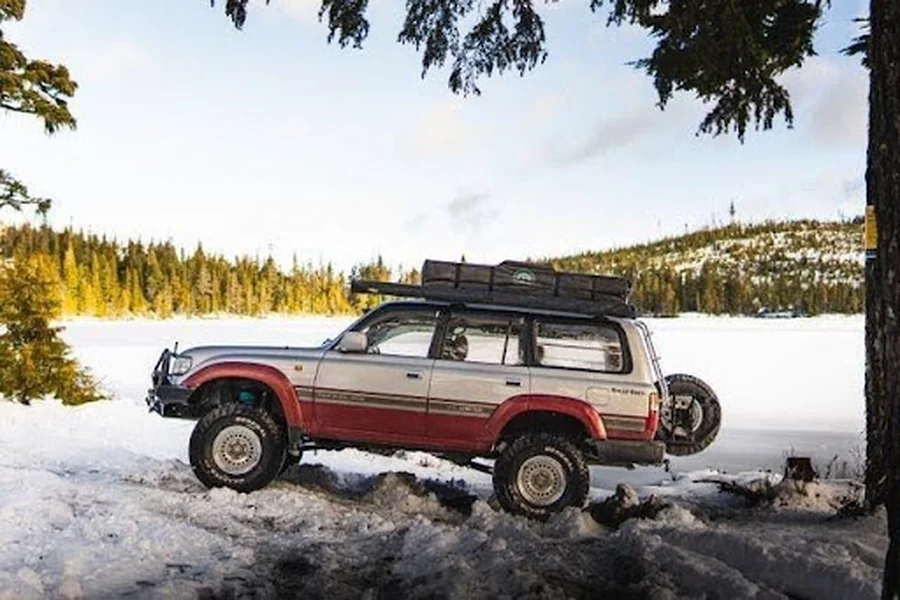
5. Add a Light Bar to the Rack for Night Trails
Trails don’t end when the sun goes down, and headlights alone rarely show you what’s around the next corner. A roof rack kit designed for a light bar makes installation straightforward. Wiring is, however, the part that needs careful planning.
Run the cable through a grommet, fuse the circuit near the battery, and use a relay with a dash switch. Choose a spot beam for distance or a flood pattern for wider coverage.
You should also aim the beam down so it lights the ground ahead rather than reflecting off dust. The same light can be useful at camp after dark.
6. For Hauling Bikes, Boards, and Kayaks
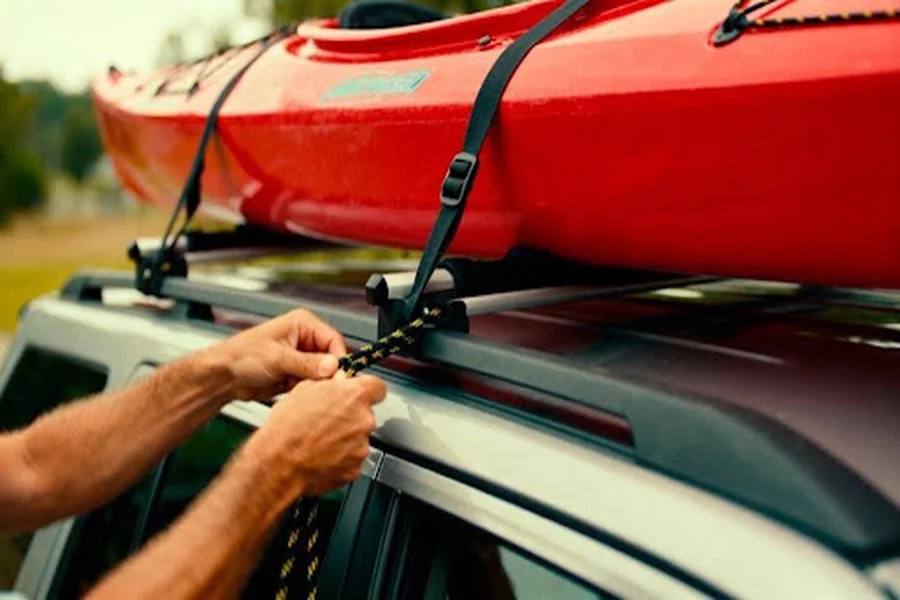
Boards and boats are usually too long to fit in a truck bed. Having a roof rack expands your vehicle’s carrying capacity by providing a secure overhead base to haul bulky adventure gear like bikes and kayaks outside the cabin.
Some roof rack options also allow you to change the setup depending on the trip. Where long items require two support points, you can space the crossbars wide enough to hold the hull or board. For kayaks, you can add bow and stern lines to prevent them from lifting at high speeds.
7. Move Long Cargo and Camper Loads
A vehicle bed fills up quickly, and some loads just won’t fit. Rack rails provide a place for long cargo, from poles and firewood to a folding table. Owners of 2015 to 2023 trucks who use a camper can also find cab-over camper kits designed for that setup.
For a smooth outdoor adventure, center the heaviest items over the cab and keep them low and snug against the crossbars. You should also check local regulations on overhang length and recheck the straps regularly, as loads tend to settle.
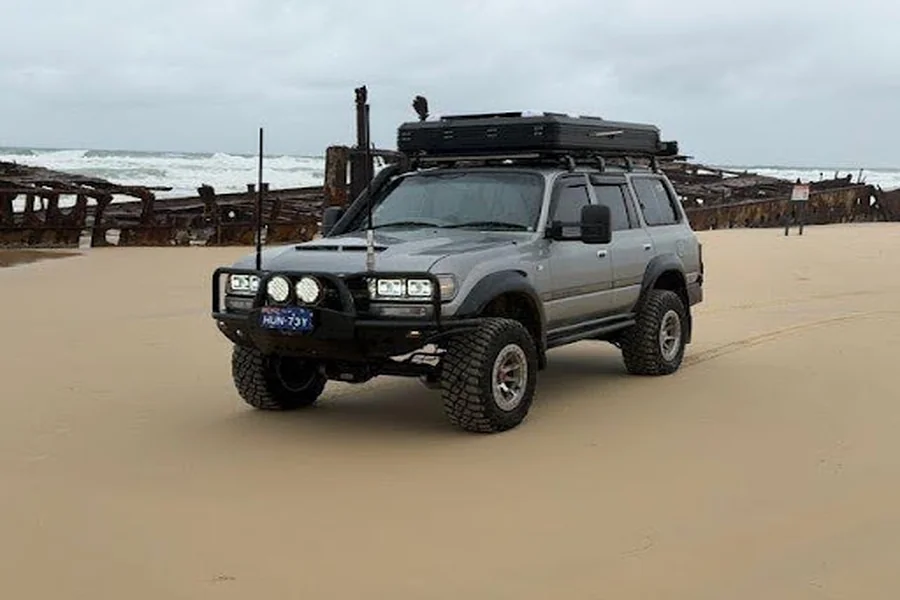
8. To Keep Wet and Muddy Gear Outside The Cab
After crossing a creek or a wet hike, boots, waders, and tents can make the inside of your cab a damp mess. A weatherproof roof bag keeps them outside, strapped down to the rack. Pack dry items first, then wet ones, so they stay separate.
A low-profile rack sits closer to the roof, which can help reduce wind noise, and a fairing on the front crossbar can cut down on whistling at speed.
Lay a tarp under loose loads to protect your roof paint from grit. Air out everything at camp each morning before packing it up, as packing damp gear can lead to mildew.
Final Thoughts
Most vehicle owners don’t run out of space because the truck is small; it’s because everything vies for a home in the two places it has: the cab and the bed. A roof rack provides extra space, and the best rack setups start with one clear job for it.
If you want your roof rack to serve you in the best way possible, start by building around the trip you do most, such as sleeping overhead, hauling boards, or carrying recovery tools. Proceed to get the roof rack kit for the vehicle model year and cab style, and add more pieces slowly.
Everything on the roof rack frees up space for people, and that makes long drives a lot easier for everyone riding in the truck.