8 Simple Cleaning Tips For Every Leather Sofa Set Owner
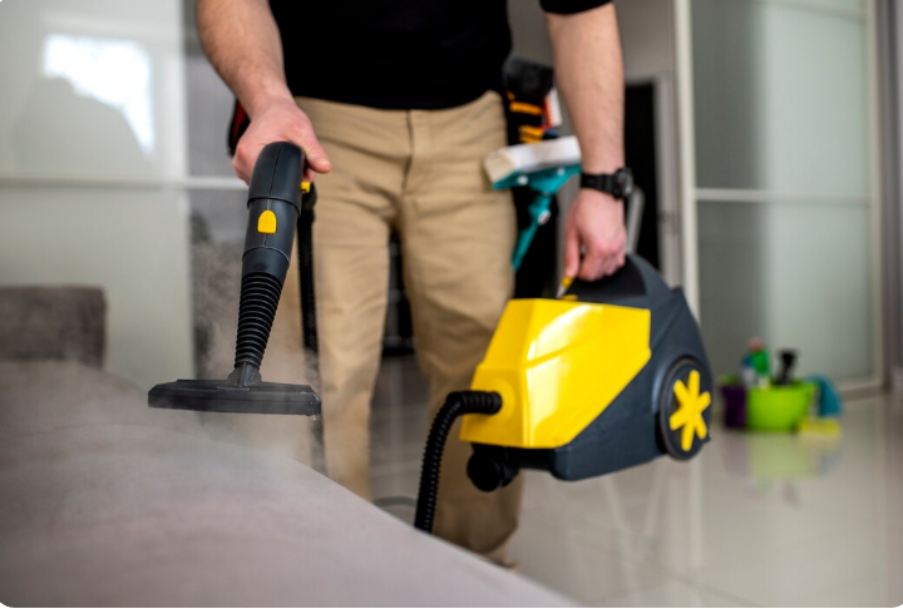
A leather sofa brings a certain warmth and richness to a living room that few other materials can match, but that beauty only lasts with the right care. Dust settles into seams, oils from skin transfer onto cushions, and the occasional spill can leave a mark if it sits untreated for too long. The good news is that keeping leather looking its best does not require constant effort or specialized equipment. A few consistent habits go a long way toward preserving the texture, color, and softness that made the purchase worthwhile in the first place.
Many owners assume leather care means expensive products or professional visits, when in reality most of the work comes down to timing and consistency rather than money spent. Anyone who owns a leather sofa set can keep it looking new for years with the right routine, and knowing which products to avoid matters just as much as knowing which ones to use.
Here are eight simple cleaning tips every leather sofa owner should keep in their back pocket.
-
Dust the Surface Every Week
Dust and dirt accumulate much more quickly than expected and make the leather more difficult to clean after many weeks of neglect. Using a microfiber cloth every week can easily solve this problem.
Besides, this simple technique takes only a few minutes, ensures there is no dreary appearance from dust buildup, and is relevant not only to an accent chair but also to a full leather sofa set. In addition, wiping against the grain, rather than making circles in the wrong direction, will help avoid embedding dust in the fabric.

-
Vacuum the Seams and Crevices
Crumbs, pet hair, and fine debris tend to collect in the seams, tufting, and crevices where a cloth alone cannot reach. Using a soft brush attachment on a vacuum clears out these hidden spots without scratching the surface, and it prevents trapped debris from rubbing against the leather every time someone sits down.
Also, dusting and light vacuuming should happen regularly to stop everyday grime from building up before it becomes a bigger problem. Removing cushions occasionally to vacuum underneath also catches debris that would otherwise go unnoticed for months.
-
Test Any Product Before Full Use
Each cleaning product does not have the same effect on all leathers. This makes it important to do a patch test to ensure the cleaning product is safe. This should be done by applying the cleaner on an inconspicuous spot on the cushion or the sofa itself. Any staining or damage will be unnoticed if there is any problem, as the spot is inconspicuous. This one small step will help ensure no mistakes occur.
- Stick to Mild, pH-Balanced Cleaners
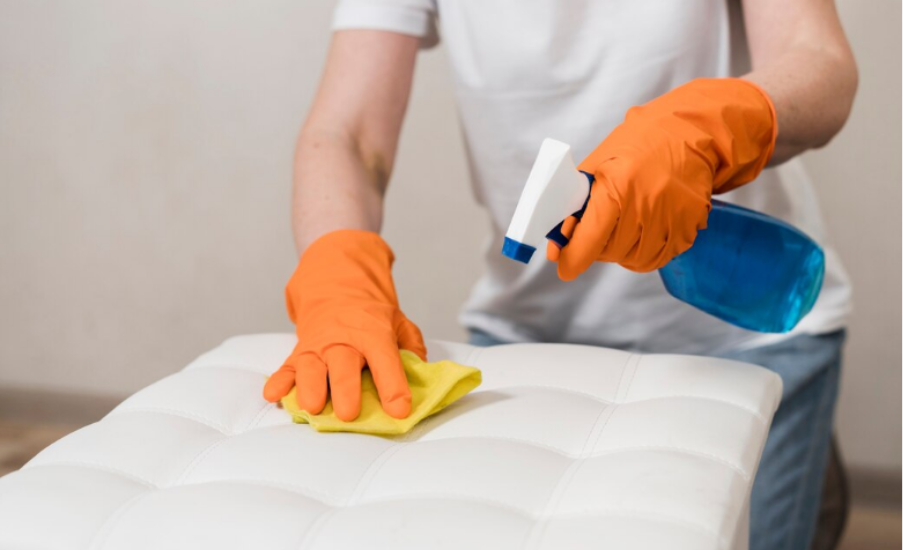
Harsh chemicals do more damage to leather than most people realize, and products containing bleach, ammonia, or alcohol can strip away natural oils and cause cracking over time. A gentle, pH-balanced leather cleaner or a mild soap diluted in warm water works far better for everyday cleaning needs. Research shared by Tom's Guide recommends warm soapy water applied with a clean microfiber cloth for routine upkeep, which is gentle enough for regular use without wearing down the material's finish.
- Blot Spills Instead of Rubbing Them
Mistakes do occur, and depending on how one acts on a spill in its early minutes, a stain can either stick around for good or not at all. Blotting a spill gently using an absorbent towel absorbs the liquid without spreading it inside the fabric, unlike rubbing, which usually makes it seep further into the fabric. Timing plays a big role as well; the earlier one acts before the liquid dries, the better.
- Dry the Leather Completely After Cleaning
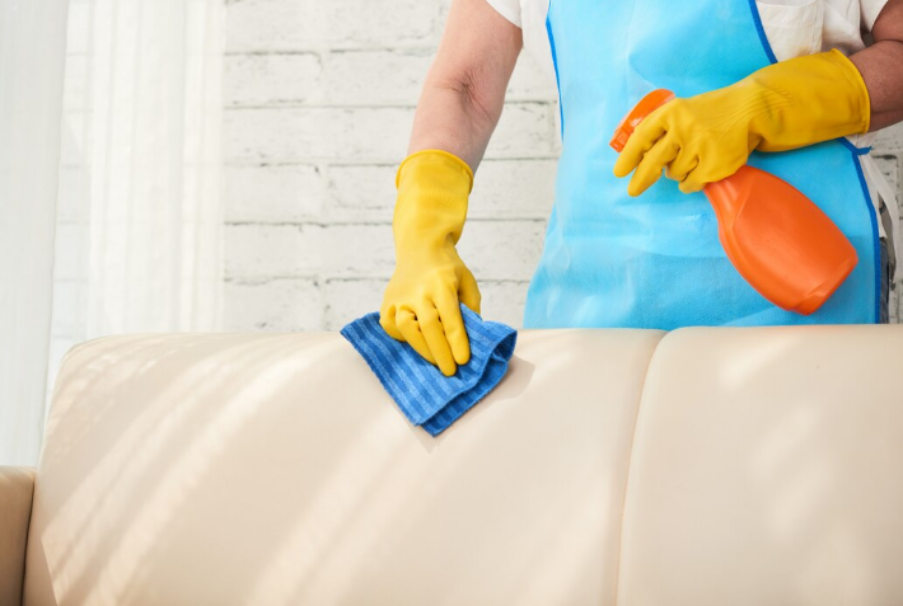
Leftover moisture is one of the most overlooked causes of long-term leather damage, since damp leather left to air dry on its own can weaken and warp over time. After any cleaning session, drying the surface thoroughly with a dry cloth protects the material's structure and prevents water spots from forming. A cleaning breakdown from AOL Lifestyle points out that drying the couch from top to bottom is a step that should never be skipped, since skipping it undoes much of the benefit of cleaning in the first place.
- Condition the Leather a Few Times a Year
Leather requires moisture as much as it requires cleaning, and neglecting the conditioner application process is the quickest route to dry, cracked cushions in the future. Using leather conditioner every once in a while will restore the lost natural oils that give leather flexibility and softness.
The process will also give the leather a little bit of its former shine back because daily use causes it to lose its gloss. It is recommended to use a leather conditioner that was specifically formulated for furniture leather rather than shoes and handbags, as each formula has different drying and thickness levels depending on the type of leather.
- Keep the Sofa Away From Heat and Direct Sunlight
Prolonged exposure to sunlight or nearby heat sources like radiators and fireplaces dries out leather far faster than normal wear and tear ever could. Positioning a sofa away from large windows or heating vents helps preserve its color and prevents the surface from becoming brittle over time. Even small adjustments, like closing curtains during peak sunlight hours, add up to meaningful protection over the life of the furniture.
Final Thought
Caring for a leather sofa is not difficult; it only needs a few habits that should be followed regularly. Weekly cleaning, mild cleaning agents, quick clean-up when there is any spillage, and adequate conditioning will make your leather sofa look elegant and supple for years.
If you do not follow these habits now, their effect will not show up soon, but you will be able to see their effects in the long run; hence the importance of being consistent in the process. A properly maintained leather sofa has a higher resale value; therefore, it is worth your effort.