The Pros and Cons of Living in Bangkok as a Foreigner
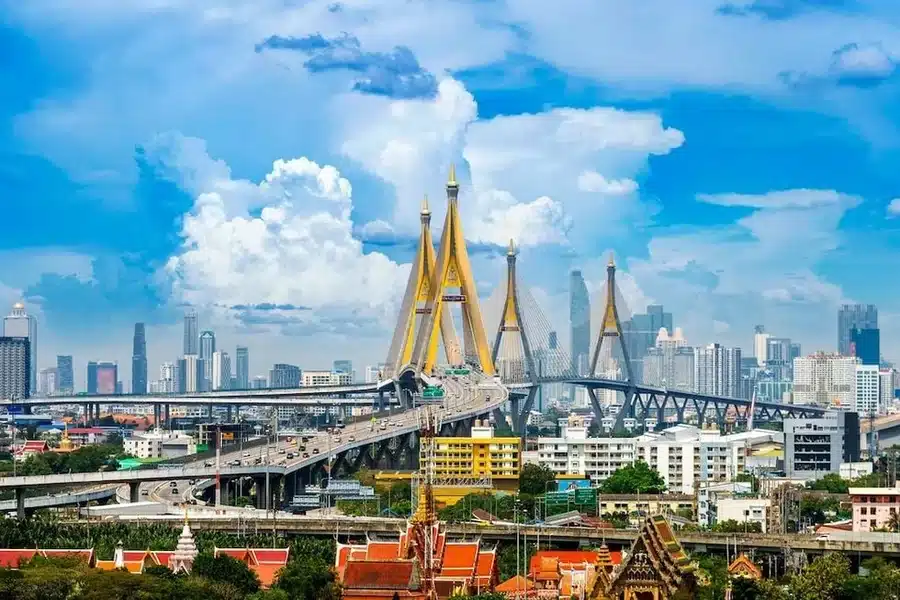
Living in Bangkok as a foreigner offers a unique blend of vibrant culture, affordability, and modern conveniences. While the city has its challenges, many expatriates find the pros outweigh the cons. This article explores the advantages and disadvantages of living in Bangkok, providing insights to help you make an informed decision.
The Pros of Living in Bangkok
Let’s begin with the pros. Below are some of the advantages of living in Bangkok.
Affordable Cost of Living
One of the most significant advantages of living in Bangkok is the affordable cost of living. Compared to Western countries, expenses such as housing, food, and transportation are considerably lower. For instance, a comfortable one-bedroom apartment in a decent area can cost as low as $400–$600 per month. Street food is not only delicious but also inexpensive, with meals like Pad Thai or Som Tam available for just a couple of dollars. This affordability allows expatriates to enjoy a comfortable lifestyle without breaking the bank.
Excellent Public Transportation
Bangkok boasts an efficient and affordable public transportation system, making it easy to navigate the city. The BTS Skytrain and MRT subway cover extensive areas, reducing the need for personal vehicles. These systems are known for their punctuality and cleanliness, offering a reliable alternative to the city’s notorious traffic. Additionally, options like tuk-tuks and motorcycle taxis provide convenient last-mile connectivity. This comprehensive network simplifies commuting and enhances the overall living experience in Bangkok.
Vibrant Food Scene
Bangkok is a food lover’s paradise, offering a diverse culinary landscape that caters to all tastes and budgets. From bustling street food stalls to high-end international restaurants, the city provides endless dining options. Thai cuisine is renowned for its bold flavors and variety, and Bangkok is the perfect place to explore it. Moreover, the city’s multicultural population has led to a proliferation of global cuisines, ensuring that expatriates can find familiar dishes alongside local delicacies.
Rich Cultural Experiences
Living in Bangkok immerses you in a rich tapestry of culture and history. The city is home to numerous temples, markets, and festivals that showcase Thailand’s heritage. Expatriates can participate in traditional celebrations, visit historical sites, and engage with local customs. This cultural exposure not only enriches one’s understanding of Thai society but also fosters a deeper connection to the community. For those interested in arts and culture, Bangkok offers museums, galleries, and performances that reflect its dynamic spirit.
Welcoming Expat Community
Bangkok hosts a large and diverse expatriate community, making it easier for newcomers to find support and friendship. Various neighborhoods, such as Sukhumvit and Silom, are popular among foreigners and offer amenities catering to international residents. Social clubs, language exchange groups, and networking events provide opportunities to connect with fellow expatriates. This sense of community can ease the transition into a new culture and help build lasting relationships.
High-Quality Healthcare
Thailand’s healthcare system is known for its high quality and affordability, and Bangkok is at the forefront of this reputation. The city boasts numerous international hospitals and clinics staffed by well-trained professionals, many of whom speak English. Medical procedures and consultations are often significantly cheaper than in Western countries, making healthcare accessible to expatriates. This combination of quality and cost-effectiveness contributes to Bangkok’s appeal as a destination for both living and medical tourism.
Opportunities for Travel
Bangkok’s strategic location in Southeast Asia makes it an excellent hub for travel. The city is well-connected by air, with numerous flights to destinations across Asia and beyond. Weekend getaways to Thailand’s beaches, mountains, or neighboring countries are easily achievable. This accessibility allows expatriates to explore the region extensively, enriching their experience while living in Bangkok. The city’s status as a travel hub adds an exciting dimension to expatriate life.
The Cons of Living in Bangkok
While living in Bangkok offers many advantages, it’s important to also consider the drawbacks before making the move. Now, below are some of the disadvantages of living in Bangkok you should know. Understanding these challenges will help you prepare better and make your transition into city life smoother.
Language Barrier
While many Thais in Bangkok speak some English, especially in tourist areas, language barriers can still pose challenges. Daily tasks such as reading signs, understanding announcements, or communicating with service providers may require basic Thai language skills. Expatriates often find that learning some Thai enhances their experience and facilitates smoother interactions. Language classes are widely available, and making an effort to learn the language is appreciated by locals.
Traffic Congestion
Bangkok is notorious for its traffic congestion, which can lead to long commute times and frustration. Despite the efficient public transportation system, road traffic remains a significant issue, particularly during peak hours. Expatriates may need to plan their schedules carefully to avoid delays. However, many adapt by using the BTS and MRT systems, which offer a reliable alternative to road travel. Understanding and navigating the city’s traffic patterns becomes an essential skill for residents.
Air Pollution
Air quality in Bangkok can fluctuate, with pollution levels sometimes reaching unhealthy levels, especially during the dry season. This can be a concern for individuals with respiratory issues or those sensitive to air quality. Monitoring air quality indexes and taking precautions, such as using air purifiers and wearing masks, can help mitigate the impact. Despite this challenge, many expatriates find that the benefits of living in Bangkok outweigh the drawbacks.
Cultural Differences
Adjusting to cultural differences is an integral part of living in Bangkok. Thai customs, social norms, and etiquette may differ significantly from those in Western countries. For example, the concept of “saving face” and indirect communication styles are prevalent. Understanding and respecting these cultural nuances is crucial for building positive relationships and integrating into society. Many expatriates find that embracing these differences enriches their experience and fosters personal growth.
Planning to Move to Bangkok? Choose a Trusted Moving Company
If you are planning to live in Bangkok and want to ensure a smooth relocation, consider using the services of Allied Thailand movers in Bangkok. As part of Allied, a globally renowned moving company with over 400 years of history, Allied Thailand has been operating for more than a decade and is trusted by both locals and foreigners alike. Their professional team is well-trained, reliable, and experienced in handling moves of all sizes. From packing and transport to settling in, they take great care of your belongings with efficiency and professionalism. Choosing a dependable moving company like Allied not only ensures the safety of your items but also makes your transition to life in Bangkok much less stressful.
Conclusion
Living in Bangkok as a foreigner presents a mix of opportunities and challenges. The city’s affordability, vibrant culture, and welcoming community make it an attractive destination for expatriates. While issues like traffic congestion, air pollution, and cultural adjustments exist, many find that the positives far outweigh the negatives. By approaching the experience with openness and adaptability, living in Bangkok can be a rewarding and enriching adventure. And don’t forget—hiring a professional moving company, like Allied Thailand, can make your transition much smoother and less stressful, giving you a solid start to your new life in this dynamic city.