Cubicles Reimagined: Adapting Classic Workspaces for Modern Workforces
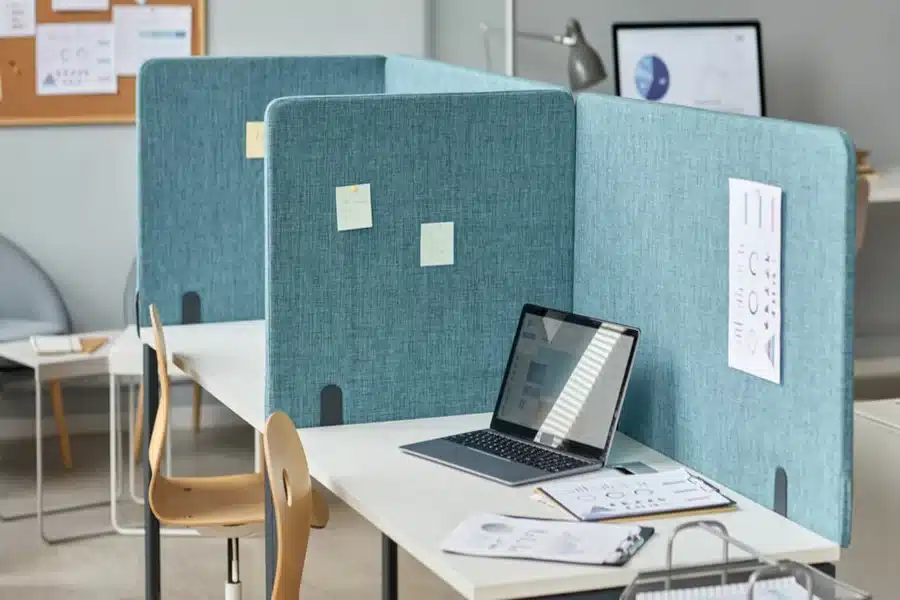
Cubicles have been a staple of office environments for decades, providing employees with structured workspaces that balance privacy and collaboration. However, as work cultures shift toward flexibility, innovation, and employee well-being, traditional cubicles must evolve to meet the needs of modern workforces. Reimagining cubicle design enhances productivity, fosters creativity, and supports hybrid work models.
Functionality and Flexibility
Modern cubicles must be more adaptable than their predecessors. Fixed walls and rigid structures limit creativity and collaboration, making modular designs the preferred choice. Movable panels, height-adjustable desks, and reconfigurable layouts allow employees to personalize their workspaces based on comfort and workflow requirements.
Cubicles now integrate hybrid features that accommodate both independent tasks and team-based projects. Partial partitions or open concepts with adjustable boundaries foster interaction while still offering individual focus zones. Offices prioritizing flexible cubicle setups create dynamic environments that support various work styles.
Technology Integration
The modern workforce depends on technology for efficiency and collaboration. Reimagined cubicles seamlessly integrate digital tools to enhance workflow and connectivity. Built-in power outlets, wireless charging stations, and concealed cable management systems ensure clutter-free desks.
Cubicles also incorporate advanced communication features, such as video conferencing setups and smart desk technology that syncs with work applications. Optimizing cubicle design for technological needs improves productivity while keeping workspaces functional and organized.
Ergonomics and Employee Comfort
Employee health and comfort are central to workplace design. Modern cubicles embrace ergonomic furniture that supports posture and reduces strain from prolonged desk work. Adjustable chairs, standing desks, and monitor arms help employees customize their workstations for better comfort and efficiency.
Natural lighting and optimized airflow further improve workspace conditions. Cubicles designed with open spaces or glass partitions allow light to flow throughout the office, reducing the sense of isolation. Noise reduction materials and acoustic panels minimize distractions, creating a quieter and more focused environment.
Aesthetics and Personalization
Classic cubicles often had a monotonous appearance, contributing to workplace fatigue. Today’s cubicles prioritize aesthetics and personalization, allowing employees to create visually appealing and inspiring work environments. Offices incorporate vibrant colors, natural materials, and greenery to enhance workspace ambiance.
Personalized cubicles encourage employees to add decor, artwork, or inspirational elements that boost motivation. A well-designed workspace fosters creativity and job satisfaction while reflecting the company’s brand and culture. Modern cubicle designs align with evolving workplace trends, shifting away from rigid, generic layouts to more engaging environments.
Sustainability and Eco-Friendly Design
Sustainability is a growing priority in office design. Reimagined cubicles utilize eco-friendly materials such as recycled fabric panels, sustainable wood, and low-energy lighting solutions. Green workspaces integrate indoor plants and air-purifying systems to enhance environmental quality.
Many modern cubicles are built with modular components that reduce waste and allow for repurposing when office layouts change. Sustainable office design creates a positive impact, benefiting both employees and the environment.
The Future of Office Cubicles
Cubicles continue to evolve to meet the demands of the modern workforce. Future office spaces will blend collaborative work zones with private focus areas, ensuring employees have options that match their work style. Technology-driven workstations will streamline productivity, while ergonomic and wellness-centered designs will support employee health.
Reimagining cubicles means embracing flexibility, innovation, and comfort while maintaining efficiency and structure. Offices that adapt classic workspaces for today’s workforce create environments where employees thrive, contributing to greater creativity, collaboration, and productivity. For the latest insights on workspace innovation, design trends, and business solutions, explore corporateofficeint.com —where modern offices meet productivity.