Hair Extensions Colour Processing Techniques for Perfect Shade Matching
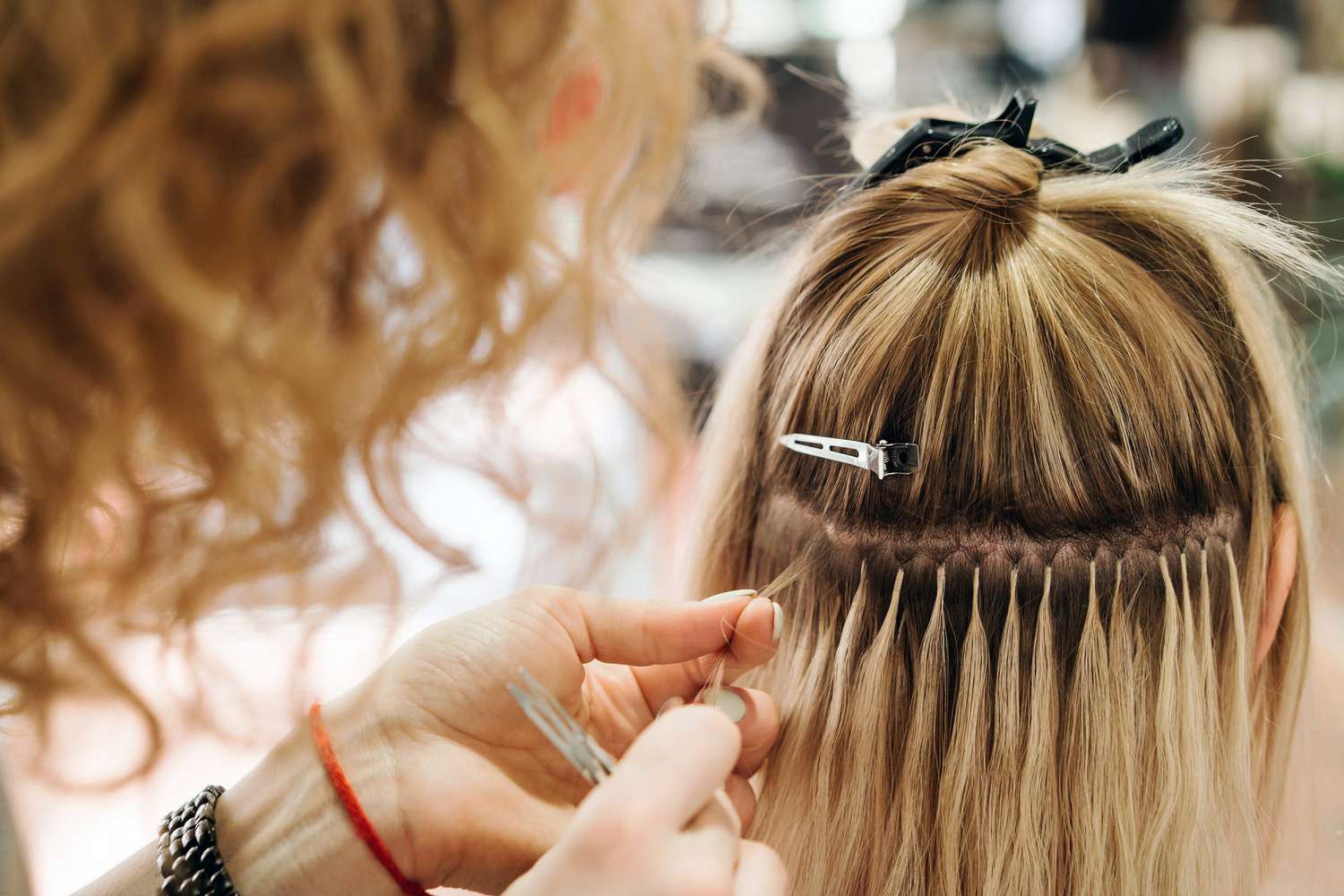
Professional colour matching requires understanding the complex interaction between natural hair pigments and extension fibre responses to chemical processing. Hair extensions often exhibit different porosity levels and colour uptake patterns compared to biological hair, making perfect shade matching a technical challenge that separates amateur and professional applications. Virgin human Hair Extensions may contain varying levels of natural melanin that react unpredictably to standard hair dyes, while synthetic fibres follow entirely different colour chemistry rules. Advanced colourists utilize multi-step processing techniques that account for these material differences while achieving seamless colour integration.
Extension colour chemistry
Extension materials respond differently to chemical colour processing based on their origin, processing history, and structural composition. Virgin human hair contains natural pigment molecules that interact with dye chemicals in predictable ways, while previously processed extensions may have compromised cuticle structures that affect colour penetration and retention. Synthetic extensions utilize different colour chemistry based on polymer dye absorption rather than biological pigment modification.
These materials often require specialized dyes and processing techniques with synthetic fibre structures rather than traditional hair colouring methods for natural keratin proteins. Processing history evaluation becomes essential since previously bleached or chemically treated extensions may have unpredictable reactions to additional colour processing. These damaged hair structures often absorb colour unevenly or fail to retain pigments properly, creating patchy or fading results that appear prominent against natural hair.
Colour assessment protocols
Professional shade matching begins with a detailed analysis of natural hair colour variations under different lighting conditions. Natural hair contains multiple pigment tones that change appearance throughout the day, requiring extension colours that complement this complexity rather than attempting exact single-tone matches.
- Multi-light evaluation systems – Testing colour matches under fluorescent, LED, and natural lighting reveals how extensions will appear in different environments throughout daily wear
- Undertone identification techniques – Professional colour analysis identifies warm, calm, and neutral undertones that must be matched precisely for seamless blending between natural hair and extensions.
- Highlight and lowlight mapping – Natural hair contains subtle variations that must be replicated in extensions through strategic colour placement rather than uniform single-shade processing.
- Growth pattern considerations – New hair growth patterns affect how extension colours blend over time, requiring forward-thinking colour choices that accommodate natural colour changes.
These comprehensive assessment techniques ensure that extension colours remain compatible with natural hair under various conditions while accounting for ongoing hair growth and seasonal colour changes.
Processing technique variations
- Different extension materials require customized processing approaches for their unique structural properties and chemical responses. Human hair extensions often need pre-processing treatments that open cuticle layers for proper colour penetration, while synthetic materials may require surface preparation techniques that improve dye adhesion.
- Gradual colour building prevents over-processing that can damage extension integrity while allowing precise colour control. Multiple light processing sessions achieve target colours more safely than aggressive treatments that risk hair damage or miscalculation.
- Temperature control during processing becomes critical since extensions cannot regulate heat through natural scalp circulation. Excessive heat can cause irreversible damage to extension materials while preventing proper colour development through inconsistent chemical reactions.
Master-level colour processing transforms mismatched extensions into undetectable hair enhancements through precise chemical manipulation and artistic colour placement. Professional colourists who understand material science and colour theory achieve results that maintain a seamless appearance for months, justifying the investment in expert colour-matching services over DIY approaches that often produce noticeable, unflattering results.