Runway to Feed: How Fashion Brands Use AI Photo Filters
Introduction
The purpose of fashion has always been to be creative and express yourself, as well as to communicate visually. Brand marketers continually look for innovative ways to present their products and interact with customers; this may include traditional methods such as runway shows or online marketing campaigns. In addition to being able to interact with consumers via social media platforms, such as Instagram, TikTok, and Pinterest, fashion brands are utilizing new technologies like AI filters to provide consumers with an even more engaging shopping experience. These are the digital tools that enable brands to make commonplace photos into creative visual content. They don’t need to go for pricey photography sessions to make them look better, change the colours, background, add artistic effects, and create different styles. With the booming social media landscape, AI-driven editing is becoming a valuable tool in the current fashion marketing toolbox.
How AI Photo Filters Are Changing Fashion Marketing
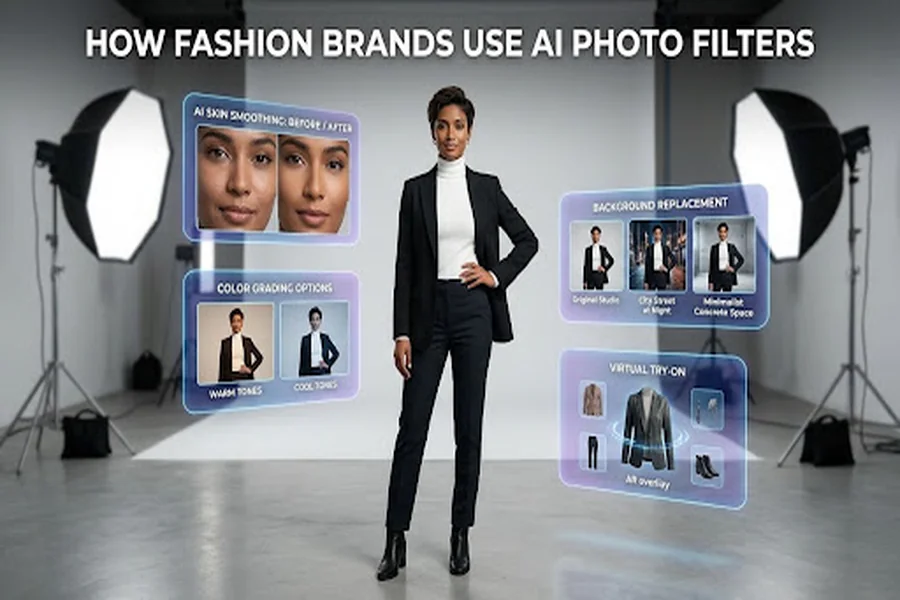
Visual presentations are crucial to fashion marketing. Many people choose to investigate a product based on the way that they are offered in an advert or in a social network posting. While traditional photography can produce some great images, it can take time and money to secure professional models, photographers, studios, and lights. Another way is with AI photo editing. Teams can add existing images of their product to the software and try out various looks. For instance, a quick picture of a summer dress can be enhanced to a vibrant outdoor marketing campaign set with a beach theme. An AI filter can also support brands to keep visual equilibrium across platforms. Businesses can achieve photos that have identical lighting, colour tones, and artistic effects, adding a more professional look to their social media profiles. But it doesn’t mean that traditional photography is going to be rendered redundant.
Creating Eye-Catching Social Media Campaigns
People who use social media typically see hundreds of pictures per day. Therefore, fashion brands should have eye-catching visual content, which will instantly draw attention. People don’t necessarily stop to read an article or view a collection when they see a creative image. When people see a creative image, they are not necessarily going to stop and read the article or explore the collection or visit the online store. With AI-powered filters, marketers can try out various looks before publishing content. Soft lighting could be employed for a spring collection, dramatic lighting for a winter fashion campaign, or colourful lighting for a streetwear campaign. Brands can also try out various forms of creativity for the same product. A photo could be taken in a simple background, or a more artistic setting. By comparing audience engagement, marketers can gain insights into which presentation is more engaging to the audience.
Recommended Tools for Fashion Photo Editing
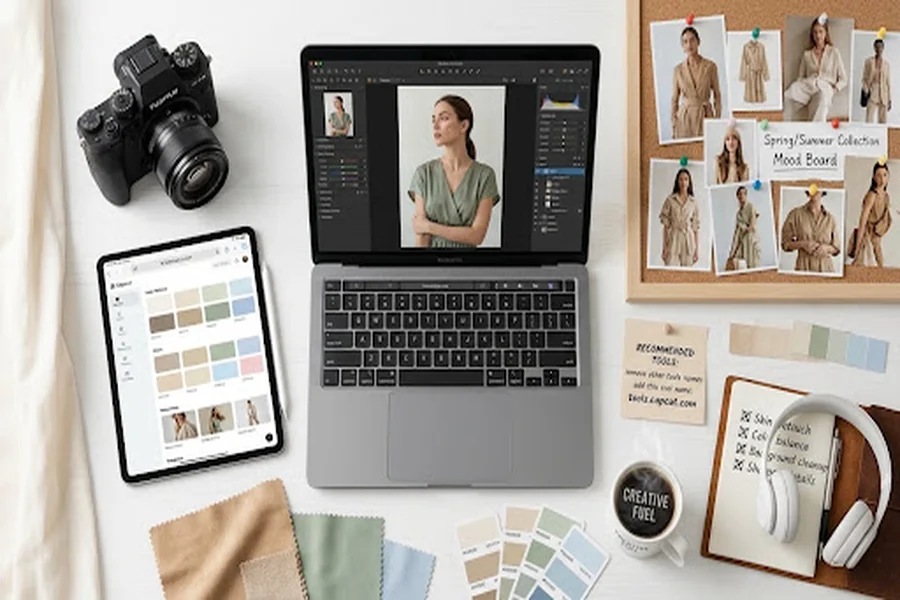
There are a number of choices for fashion brands when it comes to picking digital editing software. This will vary depending on what they need to include, how much they can afford, and what they want to achieve creatively. For instance, a tool powered by artificial intelligence can be helpful for creators who are looking to try out various photo styles, enhance product images, or develop appealing images for social media. One of the choices to consider for AI creative editing is Magic Hour. It offers users a suite of tools to play around with, to create content for digital campaigns. Other popular editing software also offers functionality to remove backgrounds, colour correct, enhance images, and transform creatively. Adobe Photoshop, Canva, and other programs can be utilized during various stages of editing.
Supporting Product Launches With Creative Visuals
Fashion businesses know that launching a product is a crucial time. It’s essential that any company has some compelling promotional material when they launch a new collection, a seasonal clothing line or special limited-edition accessories. AI Photo Editing aids brands in creating multiple visual ideas prior to product launches. For instance, a shot of a handbag might be displayed on different backgrounds to match the various themes of the campaign. Teams can develop teaser pictures of forthcoming collections also. The images could be zoomed in, have some artistic coloring, or be extremely lit up to provoke a sense of curiosity for followers. These variations can be created by an AI filter that preserves key information of the original product.
Making Fashion Content More Personal
Contemporary shoppers favor companies that comprehend their pursuits and tastes. With that in mind, personalisation has come to become an integral component of digital marketing. The visual style can be used to convey different messages to different target groups to suit different fashion companies’ requirements. Younger viewers may look at bright, bold material. However, customers who are interested in luxury garments will wish to see straightforward compositions and clean lighting. These are various methods, and in the age of AI editing, it is much easier to explore these various approaches. Brands can develop multiple formats for a campaign and measure the reactions from each of these formats. This can also be done by an AI filter, which can motivate customers to engage with interactive campaigns. A fashion company could, for instance, encourage its followers to play with the different effects and post their results on the web.
How to Enhance Influencer Marketing Campaigns
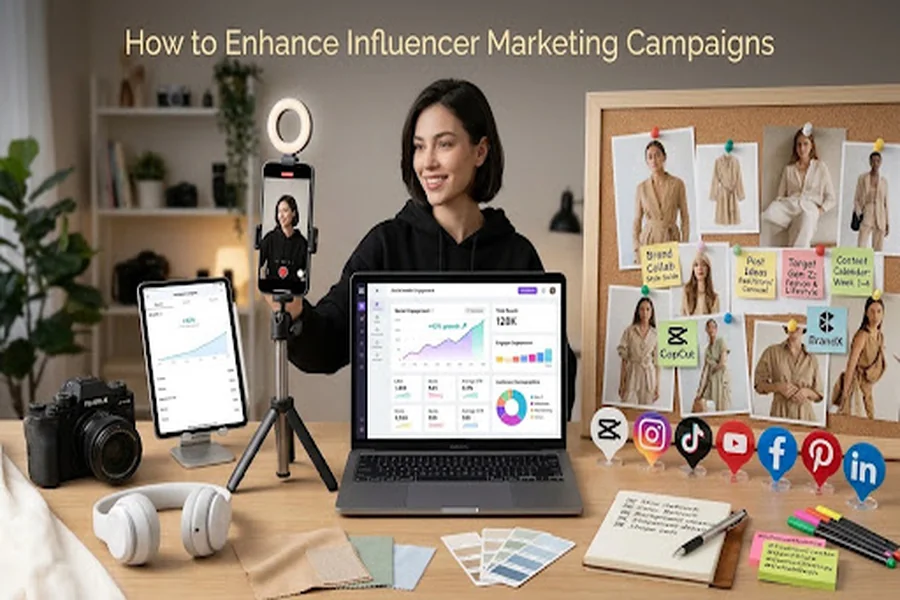
Nowadays, influencer marketing is a key element of the fashion sector. Fashion brands frequently work with makers, who already have audiences and popular individual looks. AI photo filters can aid influencers in creating content for a campaign that aligns with a brand’s look. A creator may make slight adjustments to the color or use a background effect to create uniformity in photographs that fit a collection’s theme. But it’s important for brands not to have all the influencers’ photos look the same. It plays a key role in having authenticity in effective influencer marketing. People like watching material created by the creator as opposed to a conventional commercial. An AI filter ought, then, to complement, rather than supplant, the influencer’s individual style in their work.
Time and Marketing Resources are saved
For small, fashion-forward businesses, it can be costly to create content for social media on a regular basis. Resources are needed for professional photography, location rentals, editing services and planning the campaign. Some of these costs can be mitigated with AI photo editing, which can make good use of existing photos. A small business may be able to produce multiple images for their marketing campaigns by having each image shot against a different background and/or color treatment with the same photo shoot. This can enable marketing functions to react swiftly to trends as well. Once a visual style gains popularity, businesses can try out the new style without undertaking a completely new production.
Building a consistent and recognizable brand image
Having a strong visual identity makes it easy for customers to recognise the fashion brand. The uniformity of color, lettering, photos, and design elements increases the likelihood of a company’s marketing being memorable. Using too many effects unrelated to that can detract from the identity, though. Before adopting AI-powered editing for their campaigns, it is crucial for fashion brands to establish clear visual guidelines. The rules may specify what colors, lighting, background, or photography compositions are acceptable. The marketing teams can then employ these benchmarks to make decisions in their social media content creation efforts..
When using AI filters, there are a few things to keep in mind
While AI editing can provide fashion companies with creative benefits, it is important for them to be aware of its limitations. Firstly, photos of products that have been edited should be an accurate representation of the product on offer. If a dress or jacket’s colour is changed or the texture of the jacket is altered, it could mislead the customers. Brands cannot show the products’ information in the digital world as true to life. Secondly, corporations need to take into account copyrights and image permissions. They must have the necessary permissions to employ photos, models, backgrounds and other graphic assets in their commercial campaigns. Thirdly, AI created effects must not take away the human component from fashion marketing.
The Future of AI Photo Editing in Fashion
The connection of fashion and ai will go on improving. With the evolution of editing platforms, some fashion companies might be able to make new interactive campaigns, personalised product presentations and digital experiences. These developments will take place in an important realm of social media. Brands will keep finding new ways to photograph, create short videos and so on to draw in customers, and virtual styling is sure to be a feature in the future. Professional-looking content also might be more attainable for independent designers and small clothing businesses utilizing AI-powered editing. Once the companies that had trouble with high production costs can start using new creative methods with digital tools.
Conclusion
Whether it’s runway looks or social media feeds, AI photo filters are opening up new possibilities for fashion brands. The application of AI photo filters has seen brands open up new possibilities, from runway looks to social media feeds. They assist companies in testing out fascinating forms, creating promotional campaigns, refining modification workflows, and connecting with audiences through engaging visuals. The best time to use an AI filter is when it’s used in conjunction with a marketing strategy, and not as the primary part of a marketing campaign. Taking into account the actual product photography, presentation, and visual identities, fashion brands should analyze the fashion concept, process, and effect of their fashion image, and develop it in a digital editing and production process.