
Understanding Financial Documents: What Your Bank Statement Reveals About Your Spending Habits
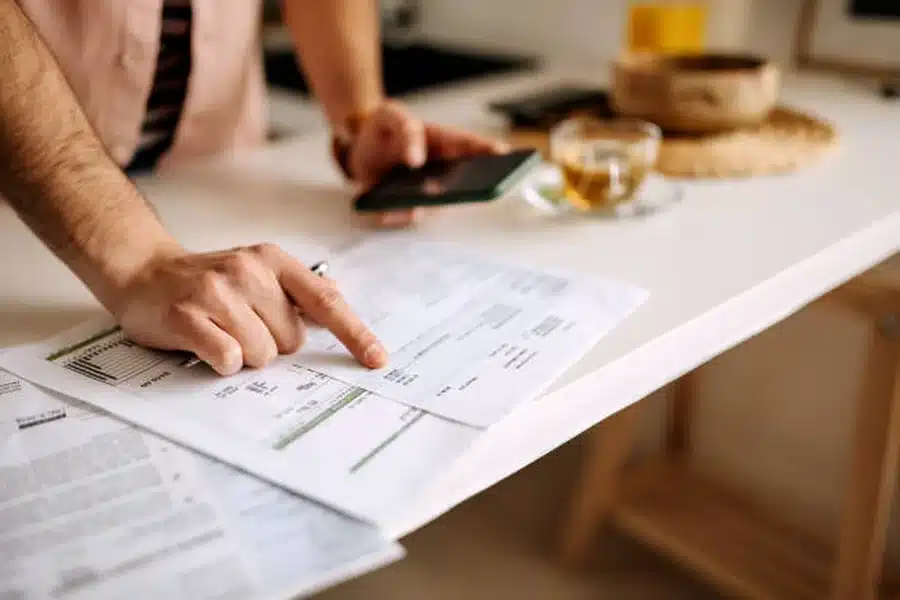
In today’s digital age, managing your finances effectively requires more than just a glance at your checking account balance. A bank statement is an essential tool that provides a detailed overview of your financial activity over a specified period. By understanding your bank statement, you can gain critical insights into your spending habits, identify areas where you might improve your saving strategies, and detect any unauthorized transactions. For many, deciphering these documents can seem daunting, but with a little knowledge, they are an invaluable resource on your journey to financial well-being.
THE BASICS OF A BANK STATEMENT
Bank statements are monthly documents provided by your financial institution that summarize your account activity. They include information on deposits, withdrawals, transfers, fees, and interest, if applicable. By carefully reviewing these, you can track your financial progress and ensure that all transactions have been recorded accurately. Understanding key components like the statement period, opening and closing balances, and individual transaction details is crucial in analyzing your spending patterns. Additionally, bank statements can serve as factual documentation when resolving any disputes with your bank or a vendor.
The typical format of a bank statement consists of several columns and sections. The main sections often include a summary of your account activity, a detailed list of transactions, and sometimes messages or notices from the bank. Reviewing each section allows you to spot errors or unexpected charges quickly, which can save you both time and money in the long run. By using bank statements effectively, you can ensure that your financial records reflect reality and support your future financial goals.
HOW TO READ AND INTERPRET YOUR BANK STATEMENT
Learning how to read and interpret a bank statement is a skill that can greatly impact your financial management practices. Start by reviewing the statement period to understand the timeframe of the transactions. The beginning and ending balances give a snapshot of your account’s overall changes during this period. Each transaction listed in the statement usually includes the date, description, and amount, offering transparency about where your money is going.
It is crucial to pay attention to any fees or charges, as these can add up over time and affect your financial health. Banks may charge for various services like overdraft protection, paper statement fees, or ATM usage fees. Familiarizing yourself with these charges helps you make informed decisions about which services to keep or cancel. Additionally, scrutinizing each transaction line can help you spot any fraudulent charges or errors, allowing you to address discrepancies promptly with your bank.
IDENTIFYING SPENDING PATTERNS
One of the most beneficial aspects of consistently reviewing your bank statements is the ability to identify spending patterns. By categorizing and analyzing your expenses, you can uncover trends in your spending behavior. Common categories include groceries, dining out, entertainment, and transportation, but they can be customized based on your personal lifestyle.
Recognizing these patterns allows you to adjust your financial habits accordingly. For instance, if you notice a high expenditure on dining out, you might consider implementing a budget for eating at home more often. These adjustments can lead to significant savings over time, contributing to more robust financial health. Regularly assessing your spending can also help you set realistic financial goals, such as saving for a vacation or building an emergency fund.
THE IMPORTANCE OF BANK STATEMENT ARCHIVE
Maintaining a record of your past bank statements is an essential practice for financial organization and long-term planning. Keeping these documents organized, whether digitally or in paper form, provides a reliable historical record of your financial transactions. This archive is invaluable when preparing taxes, applying for loans, or reconciling discrepancies. Tools like a reverse sales calculator can further enhance this process by helping you understand the revenue required to meet profit goals, aligning your financial records with clearer business planning.
The retention period for bank statements typically depends on personal preference and necessity. Some advisors recommend keeping them for at least a year, while others suggest three to seven years if they contain information pertinent to your tax returns. Regular review of these archived statements can provide insights into your financial progression over time and reinforce responsible financial habits.
DETECTING FRAUD AND DISCREPANCIES
An intrinsic value of regularly reviewing your bank statements lies in early detection of fraud and discrepancies. Scammers and identity thieves can illicitly gain access to your account, making fraudulent transactions that are often small and initially unnoticed. Without regular review, such charges can escalate, leading to significant financial losses. Thorough review of your bank statement ensures that all transactions are legitimate and authorized.
In cases where discrepancies are found, immediate action is key. Contact your bank or financial institution to report unauthorized transactions promptly, often within 30 to 60 days, to safeguard against liability for these charges. Banks generally have processes in place for investigating claims of fraud and, if warranted, issuing refunds for fraudulent transactions.
USING BANK STATEMENTS FOR BUDGETING
Bank statements are a powerful tool for anyone wishing to create or refine a personal budget. By analyzing your past spending habits, you can identify areas where modifications might free up funds for savings or other financial goals. Review your statement to find essential versus non-essential spending. Essential spending includes things like rent or mortgage payments, utilities, and groceries. Non-essential spending might include dining out, streaming services, or non-critical shopping.
By setting limits on non-essential expenses, you can better allocate your income to savings, debt repayment, or investments. Using historical data from your bank statements allows for a realistic approach to budgeting—a necessary step in achieving financial security.
NOVELTY BANK STATEMENTS
In some cases, individuals find themselves needing Novelty Bank Statements for purposes like theater, films, or other entertainment projects where realistic props are necessary. It is important to note the distinction between novelty items for entertainment and real financial documents used in personal finance management or legal purposes. Using authentic-looking statements inappropriately or fraudulently attempting to alter financial information for gain is illegal and not advised.
DEVELOPING FINANCIAL CONTROL
For many people, the regular review of bank statements can be empowering, fostering a sense of control over their financial circumstances. Taking charge of your bank statements regularly leads to improved financial literacy and discipline, allowing for proactive financial decision-making. As you become more familiar with your statements, the act of managing finances shifts from a reactionary task to one of strategic oversight.
This control extends beyond your spending habits into other aspects of your financial life, including building credit, saving for retirement, and preparing for unexpected expenses. Financial control is an evolving process but begins with small steps; a critical one being the diligent review of your bank statements.
THE ROLE OF TECHNOLOGY IN BANK STATEMENT REVIEW
Technology today plays a significant role in simplifying the review and management of bank statements. Many banking apps provide real-time data, categorization of expenses, and alert features that notify you of significant changes or suspicious activity in your accounts. Utilizing these technological tools can streamline access to your bank statements and enhance your overall financial oversight. As artificial intelligence becomes more common in finance, even concepts like prompt engineering are shaping how smarter financial assistants can help users interact with their data more effectively.
Most financial institutions offer electronic statements, which are environmentally friendly and easy to store and manage. These digital summaries can often be integrated with budgeting apps to help track expenses automatically, making the process of financial management more efficient.
CONCLUSION
Understanding and utilizing bank statements effectively is fundamental to sound personal financial management. By regularly reviewing these documents, you gain valuable insights into your spending habits, which in turn guides budgeting, fosters financial literacy, and helps detect fraud early. Embracing the role of these documents in your financial toolkit ensures you remain informed about your financial health and aids in planning successfully for the future.