The Role of Driver Reaction Time in Preventing Collisions
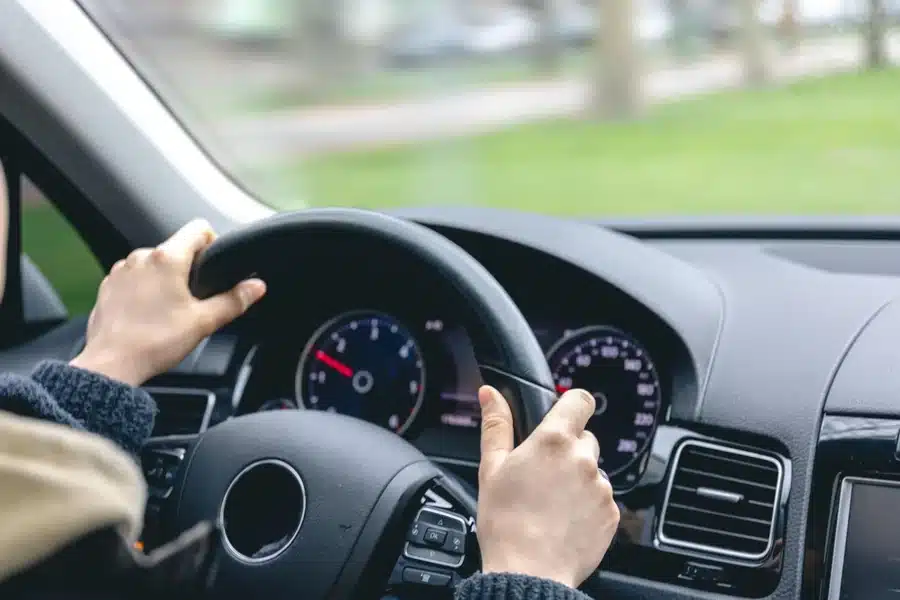
People often tell drivers to keep their eyes on the road, which is good advice. But, it’s also important to take a look at why this statement is so important for accident prevention. Paying attention to what is happening in your driving path can help improve your ability to react quickly to changing circumstances. While most people have similar reaction times, there are several factors that can alter how long it takes you to respond to a potential threat.
Reaction times can naturally slow as you age, and this is why young adults might be better at video games compared to senior citizens. When it comes to reaction times, being slowed by even a fraction of a second could lead to worse outcomes during a collision. Learning how driver reaction times influence collisions can help you understand why an accident might have happened.
Know the Factors That Influence Reaction Time
Being younger isn’t the only thing that helps you have a good reaction time. Older drivers have many ways to maintain the best possible reaction time when they are behind the wheel. Driver fatigue is a major contributor to delayed reaction times. Try to make sure you get enough sleep before your morning commute. You may also need to take breaks during long road trips, and never try to pull an all-nighter to get to your destination. Taking time to sleep or rest can help you make it to your destination safely.
If you take prescription medications, then pay attention to any warnings about not driving. Medications that cause fatigue, dizziness or foggy thinking can impact your reaction time and lead to an increased risk of vehicle collisions. While you may know not to drink and drive, many people forget about the medication they take on a regular basis.
Inclement weather can also reduce your reaction time. Typically, accident rates increase during times when the weather lowers visibility. Being unable to see a vehicle suddenly stop in the road can mean that you have less time to react by hitting your brakes. Fog, rain and darkness are all factors that you may not have much control over when you drive.
But, you do have the choice of slowing down slightly to accommodate your need for more time to react. In these conditions, you’ll want to take other actions to be on high alert. Turning off the radio and limiting conversations with passengers can help your brain respond faster when an unexpected event arises.
Understand How Speed Plays a Role In Collision Outcomes
A vehicle’s speed and the driver’s reaction time are closely connected. Driving at a high rate of speed shortens the amount of time that the driver has to react. Although the timing difference might seem small, many things can happen in a second while you are traveling at 70 mph down the interstate. Speed limits are often set based on what decision-makers determine allows for better reaction times in certain conditions.
If a driver is going too fast to respond to a hazard, then it’s also likely that the impact will be stronger. This often leads to a combination of factors influencing whether people walk away from an accident or require immediate medical care. Speeding can also impact an accident investigator’s reconstruction of the scene, which could lead to a need for further investigation to figure out if a driver’s reaction time played a role in the incident.
Explore the Use of Reaction Time and Speed for Determining Liability
Accident investigators often focus heavily on reaction times when the goal is to determine liability for serious injuries and property damage. During accident reconstructions, investigators can use details that include the vehicles’ stopping points, skid marks on the street and witness reports to begin piecing together what happened.
When the reaction time doesn’t align with what one would expect for a vehicle following the proper speed limit, then investigators will often begin digging to figure out why. For instance, it might become clear that the car was traveling at a high rate of speed and the driver took much longer to react than normal. In this type of situation, a team of knowledgeable personal injury attorneys might begin looking at contributing factors to the accident.
If the suspected at-fault driver also admitted to celebrating a special event the night of the incident, then it could be possible that they were also inebriated. Or, an investigator might determine that driver fatigue contributed to a slow reaction time during a commercial truck and personal vehicle collision. As a general rule, you’ll want to make sure that you always follow the laws and avoid things such as distracted driving to make sure your reaction time is always as good as possible.
When a driver lacks the ability to respond in time to changing circumstances on the road, the consequences can be devastating. Severe personal injuries can range from bone fractures to life-altering traumatic brain damage that prevents someone from achieving their long-term goals. Sadly, pedestrian-car accidents are more common when someone has a delayed reaction, and the outcome of these collisions could include death and dismemberment.
Even if you only sustain some mild bumps and bruises, you could still face debilitating mental health symptoms, such as anxiety that impacts your life. Struggling with PTSD from a significant accident could impact your ability to work and earn an income. People also tend to struggle with financial challenges when they need to deal with property damage and escalating medical costs.
As you work on doing your best to maintain a good reaction time as a driver, remember that you’ll also want to protect yourself from those who do not practice the same level of responsibility. If you notice someone displaying signs of distracted or intoxicated driving, then try to move a safe distance away from their vehicle. If the worst should happen, try to remember any details that could help your case so that you can share them with your lawyer. Holding drivers accountable for the decisions they make that slow their reaction time is the best way to improve safety on public roads.