
Cricket Without Noise: A Clear, Celebrity friendly Guide That Makes Matches Easy to Follow
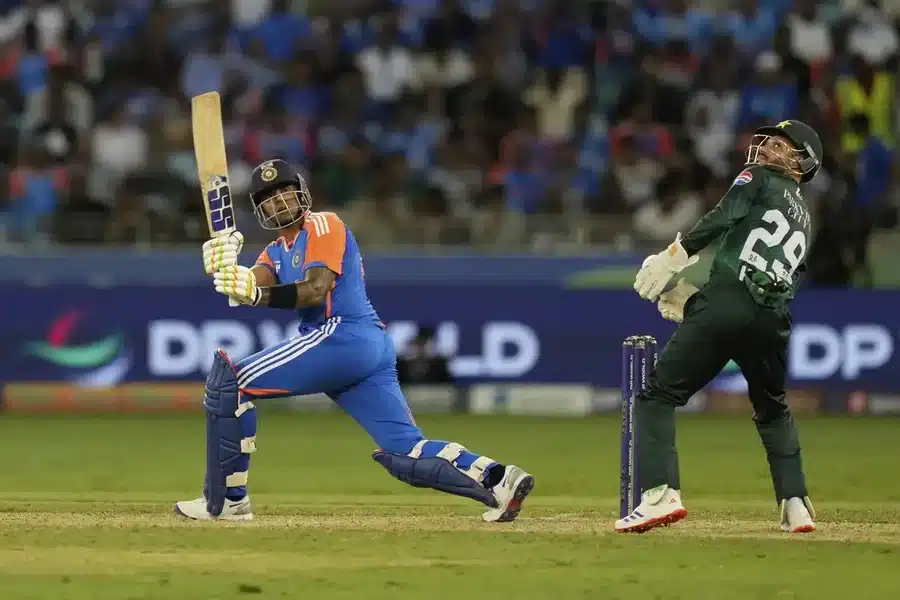
First encounters with a live cricket stream can feel crowded – the score ticks, commentators talk fast, fielders shuffle, and fans on social media argue about momentum. The game becomes simple once the screen is read like a story board. Think of three steady cues that keep attention in the right place: how many runs are needed, how many balls remain, and how many wickets are left to spend. Everything else flows from that triangle. Openers set a base, middle order keeps risk under control, and finishers close. Bowlers rotate through new-ball movement, middle-over squeeze, and end-over deception. With those patterns in mind, highlight clips stop feeling random, and a live chase starts to make sense.
The scoreboard decoded for busy readers
A cricket scoreboard looks dense until it’s split into a few lines the eyes can sweep every few seconds. The top shows team totals and wickets; a smaller box tracks required run rate versus the current rate; ball counters show how deep the over is. If the chasing side keeps the current rate near the required rate while holding enough wickets, pressure stays in check. When the gap widens, a planned gamble appears – a set batter targets a weaker over, a left-right pair forces field changes, or a finisher hunts full length at the death. Field moves confirm the story: catchers near the bat during swing, sweepers to guard boundaries when run rate rises, and ring fields when dot-ball pressure is the tool of choice.
There’s also value in a short pit stop that doesn’t break focus. During long event weeks a neutral hub keeps rules, fixtures, and basic terms in one place so the stream remains the main act. A quick mid-sentence check does the job – scanning formats, match cards, and common terms at read more helps hold context while eyes stay on the live action, which keeps attention on the scoreboard triangle instead of bouncing across random tabs.
Why formats change the vibe on screen
Format sets tempo, which shapes what the viewer feels. T20 compresses each innings into 20 overs, so powerplay fields open gaps for early shots, middle overs test strike rotation, and end overs reward clean hitting or clever pace changes. One-day matches (50 overs) add space for rebuilds and long partnerships, so patience has time to work. Test cricket stretches across days, where conditions age and plans evolve across sessions. Audience patterns show why pace matters: digital crowds can spike at record peaks when stakes and tempo align, such as Disney+ Hotstar’s 35–43 million concurrent viewers during India’s 2023 World Cup run, with the platform citing 35 million for India–Pakistan and 43 million for India–New Zealand a week later. (icc)
Big-event atmospheres also explain why even casual viewers feel the pull when a rivalry lands in prime time. Packed venues and broadcast muscle lift the drama at a glance, and global feeds surface those moments to non-hardcore fans in minutes. For example, the 2024 men’s T20 World Cup group game between India and Pakistan drew more than 34,000 in New York, turning a new American venue into a loud, TV-ready set piece that brought neutral viewers along for the ride as a low-scoring chase swung on one spell. The point is simple – tempo and stage shape how understandable a match feels, especially when a stream is opened between other tasks.
Roles that repeat – and how to spot them fast
Role is the shortcut that separates noise from signal. Openers meet the new ball and decide whether the innings settles or stutters, so strike rotation early can matter more than one flashy boundary. Middle order acts like insurance – absorbing drops in pace after wickets and nudging singles when fields spread. Finishers cash in late once bowlers miss length. On the bowling side, first-spell seamers test movement; middle-over specialists deny easy fours with tight lines; death-over operators mix yorkers and cutters to blunt the final surge. When lineups land, the job is to map those roles to the surface. Cloud cover or a green pitch raises new-ball value; a dry, slow surface lifts spin and cutters; a dewy night can tilt chases toward set batters who aim straight.
A simple, repeatable sweep keeps eyes in the right places –
- read the top bar for target, balls left, and wickets in hand;
- glance at the field for intent – catchers in tell pressure, sweepers out tell damage control;
- watch the strike farm – a set batter shielding a partner often signals a planned burst;
- track matchups – left-right pairs force bowlers to change lines;
- notice death-over plans – full length risk versus slower-ball changeups decides many finales.
Fast numbers non-statisticians can use
Useful numbers live close to the play and don’t require crunching. Required run rate is the hill; current run rate is the pace up the hill. Dot-ball percentage in the middle overs predicts whether a chase will need a controlled gamble; economy at the death hints if the finisher on either side is likely to land yorkers under lights. When a stream is opened between news tabs, one proof of scale helps explain why the camera lingers on big chases – record digital peaks around 35–43 million concurrents in 2023 showed how a single high-stakes game can pull huge mobile audiences when the scoreboard stays tight into the last overs. Those spikes are why producers keep overlays clean and replays brisk during end-game swings.
Before the weekend match – a calm plan that works
One steady routine turns casual viewing into understanding. Pick a single league for a month so players and venues feel familiar. Before first ball, note the format, the toss result, and whether the surface looks quick or tacky. During the powerplay, watch boundary options and dot-ball pressure, since those two signals predict whether a rebuild is needed. Through the middle, track partnerships more than raw strike rate – stability sets up the finish. At the end, expect either a controlled milk-and-burst from a set batter or a squeeze from a death specialist, mixing angles and pace. Keep one neutral rules hub in reach – used briefly in-line with a stream, it supports focus rather than stealing it. After a few matches, the scoreboard triangle becomes second nature, and the last two overs feel clear instead of crowded.