Maintaining Split-System Air Conditioners in Perth’s Dry Heat
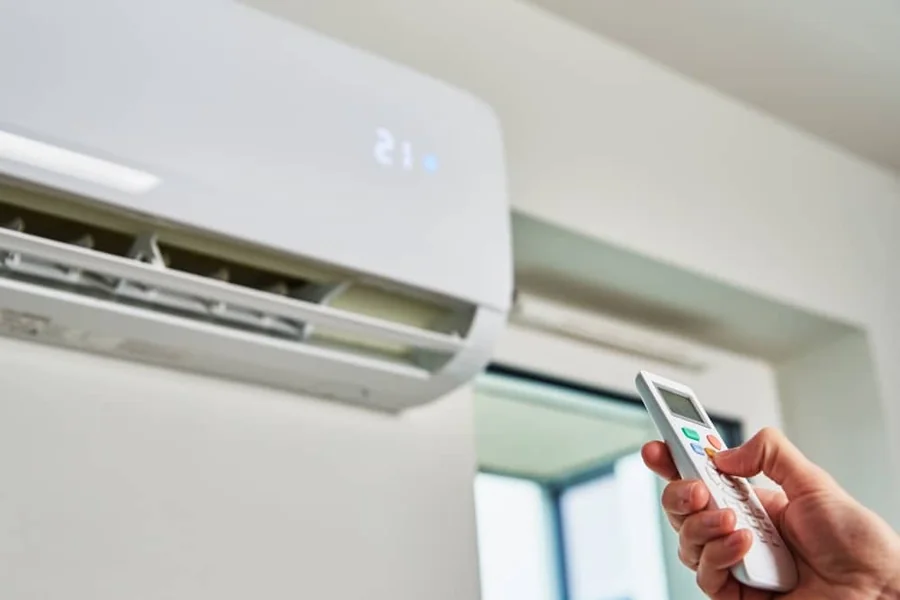
Perth summers have a way of reminding you just how hot Australia can get. The kind of heat that hits early in the day and doesn’t slow down until late in the evening. For most households, split-system air conditioners are the only thing that make the season bearable. But the same dry heat that makes us uncomfortable also affects the units that cool our homes.
A split system can last for years, but not if it’s left to fight Perth’s climate alone. Dust, constant heat, long run-times—these things quietly wear the system down. Many people don’t notice the decline until the first 40-degree day arrives and suddenly the cool air feels weaker than last summer.
Taking care of these units isn’t complicated, but it does require some attention. And honestly, with the cost of power continuing to rise, maintaining air conditioners in Perth is one of the smarter things you can do.
Why Perth’s Dry Heat Makes Air Conditioners Work Harder
Perth isn’t humid like the northern parts of Australia. Instead, it’s dry—really dry. Dust hangs in the air, settles on outdoor units, and clogs filters faster than you’d expect. When heat and dust combine, the system needs more effort to cool even a small room.
A few things happen inside the unit:
- the compressor runs longer
- coils lose efficiency
- airflow drops
- energy consumption increases
Dry heat doesn’t give air conditioners any breathing room, which is why maintenance becomes more important here than in many other cities.
1. Cleaning Filters More Often Than You Think
If there’s one job homeowners often underestimate, it’s cleaning filters. These filters catch dust and tiny debris, but they fill up quickly in Perth.
A blocked filter means:
- weak airflow
- noisy operation
- higher energy bills
- uneven cooling
A quick rinse under warm water usually does the job. Shake off the excess and let it dry properly. If you can’t remember the last time you cleaned them, that’s usually a sign they need attention right away.
2. Checking the Outdoor Unit (It Works Harder Than the Inside One)
Walk outside and take a look at the back unit. Because of Perth’s wind and dry weather, it collects everything—leaves, dust, sand, even the occasional bit of garden debris.
When the outdoor unit can’t breathe, the entire system strains. Light cleaning around the vents and clearing the area helps more than people realise. The aim is simple: keep air moving freely around the unit.
If you’ve had a storm recently, it’s worth checking again. Wind can push dust inside the fins, and even a thin layer can affect cooling.
3. Giving the Coils a Check (Even If You Don’t Touch Them Yourself)
Cooling depends heavily on clean evaporator and condenser coils. When dust sticks to these parts, heat exchange slows down. The system then works harder, runs longer, and still doesn’t feel quite right.
Some homeowners gently brush the outer surface, but internal coil cleaning should always be left to a technician. Coils bend easily, and a bent fin can restrict airflow more than you’d expect.
A clean coil keeps temperatures stable and reduces the workload on the compressor—a big advantage in summer.
4. Making Sure Refrigerant Levels Are Correct
Low refrigerant is one of those silent problems. The unit may still blow cool air, but nowhere near the level you expect. Perth’s heat exaggerates the issue because the system needs full refrigerant pressure to manage extreme temperatures.
Professionals use proper tools to check the levels. If there’s a leak, they find it early. Ignoring refrigerant issues eventually damages the compressor, which is one of the most expensive parts to replace.
5. Inspecting Drain Lines to Prevent Indoor Leaks
Even in a dry climate, split systems remove moisture from indoor air. That moisture travels through a small drain pipe. When that pipe clogs, water backs up and leaks inside the house—usually right when you least expect it.
Signs of a blockage:
- water dripping from the indoor unit
- odd gurgling noises
musty smells
Drain lines don’t take long to fix, but ignoring the problem can damage walls and paint.
6. Using the System Smartly (It Makes a Bigger Difference in Perth)
Air conditioners work hardest when people set temperatures too low. Setting the unit at 18°C might feel tempting on a hot day, but it forces the system to run nonstop. A setting between 24°C and 26°C is usually enough to stay comfortable in Perth.
Other small habits help too:
- turning on the ceiling fan along with the AC
- keeping blinds closed during peak afternoon sun
- avoiding heat-producing appliances during the day
These little adjustments reduce strain on the system and keep rooms cooler for longer.
7. Annual Servicing—The Step Many People Skip
A professional service once a year can pick up issues long before they turn into breakdowns. Technicians check wiring, refrigerant pressure, coils, airflow, and drain flow—things the average homeowner can’t examine properly.
Most breakdowns in summer happen because the system wasn’t inspected during spring. A simple service can prevent a stressful day in 40-degree heat.
8. Managing Heat Load at Home
Not all cooling problems come from the unit itself. Sometimes the home traps heat faster than the air conditioner can remove it. A few adjustments go a long way:
- insulated roof spaces
- sealed window gaps
- shaded outdoor areas
- reflective blinds
Reducing heat inside your home also reduces the workload on your cooling system. Split-system air conditioners in Perth work best when the house supports the cooling effort.
Final Thoughts
Keeping a split-system air conditioner running smoothly in Perth’s dry heat isn’t complicated, but it does require consistency. A little cleaning, a bit of awareness, and a yearly service can keep your home cool without overworking the system—or your electricity bill.
When maintained well, air conditioners in Perth can deliver strong, reliable cooling even during the hottest weeks of summer. Think of maintenance as protecting both your comfort and your investment.