
Unleash Cinematic Sound at Home: Guide to the Best Home Theater Audio Systems
The Impact of Sound Quality on the Cinematic Experience
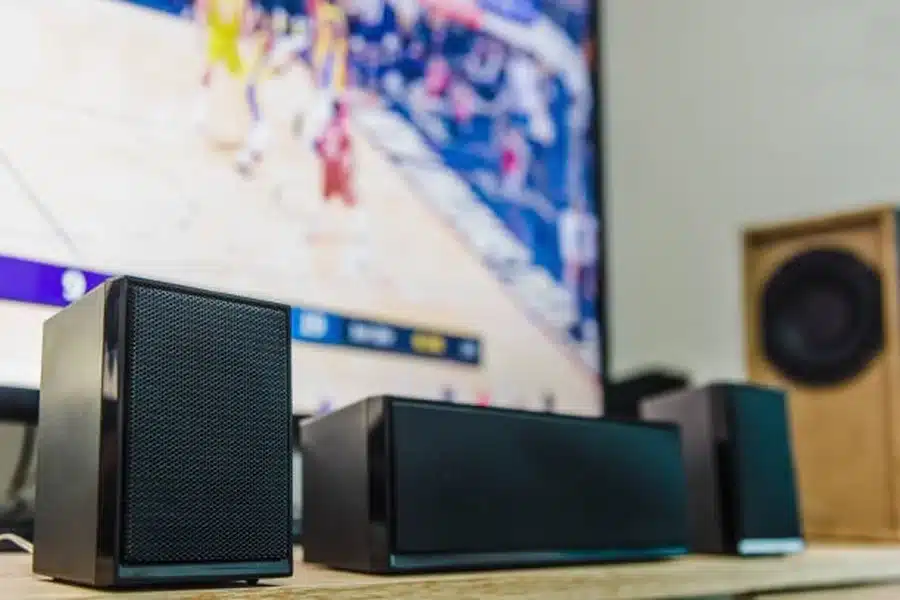
Audio is a defining element of the cinematic experience, shaping the atmosphere, emotion, and intensity of each scene. Crisp dialogue, layered sound effects, and immersive music deepen engagement and make every moment feel realistic and compelling. For instance, hearing subtle footsteps or distant echoes in a thriller can heighten suspense, while precise musical cues in a drama amplify emotional resonance. Without proper sound reproduction, the visual impact of films or games can feel flat, reducing overall enjoyment.
The Role of Home Theater Audio Systems
Modern home theater audio system provide sound quality comparable to professional cinemas. They deliver clarity, dynamic range, and spatial depth, transforming ordinary movie nights into rich auditory experiences. By incorporating multiple channels and subwoofers, these systems produce detailed bass, immersive ambient sounds, and crisp dialogue that allow viewers to feel as though they are part of the scene. Even for music and video games, these systems add a new level of engagement, making every note and effect resonate fully in a room.
Understanding the Cinematic Sound Experience
How Sound Shapes Film Engagement
Audio guides the audience’s attention, setting the mood and emphasizing key story moments. By carefully layering effects and background sounds, films can convey tension, joy, or sadness more effectively. For action films, directional audio can make explosions and chase sequences feel lifelike, while in animated films, clarity of dialogue and music keeps viewers connected to the narrative. Well-executed sound design allows the audience to experience films on a deeper, more immersive level.
Sound Quality During Viewing
Sound systems that reproduce every frequency accurately improve the overall movie experience. Dialogue becomes intelligible even during complex action scenes, music scores gain richness, and subtle background effects become noticeable, contributing to a more complete sensory experience. A balanced system ensures that bass, midrange, and treble all work together, providing natural audio reproduction without distortion, which is particularly important for viewers seeking a theater-like experience at home.
Evolution of Home Theater Audio Systems
Development Over Time
Home theater audio technology has progressed from basic stereo speakers to advanced multi-channel systems with wireless connectivity and immersive formats such as Dolby Atmos and DTS:X. These developments allow sound to move in three-dimensional space, creating effects that seem to originate from above or behind viewers. Early systems offered simplicity but lacked depth, while contemporary systems focus on realism and surround accuracy, accommodating larger rooms and multiple listening positions.
Comparing Older and Modern Systems
Older stereo and basic surround systems produced warmth and simplicity but could not fully replicate a cinema experience. Modern systems emphasize clarity, immersive effects, and connectivity options, supporting streaming services, wireless integration, and app-based customization. Listeners can now fine-tune settings for room acoustics, adjust equalization, and optimize speaker placement to achieve consistent sound coverage throughout a home theater space. The difference in audio fidelity is especially noticeable in complex soundscapes like orchestral music or high-action films.
Key Components of Home Theater Audio Systems
A complete system includes speakers, subwoofers, receivers, and amplifiers. Each element contributes to a rich soundstage:
- Speakers handle mid and high frequencies, producing detailed dialogue and effects.
- Subwoofers add depth with low-frequency bass, making explosions and musical beats more impactful.
- Receivers manage signal routing, decoding audio formats, and connecting multiple inputs.
- Amplifiers provide power to drive speakers effectively, ensuring consistent volume and clarity.
By integrating these components, a system reproduces sound accurately, balancing dialogue, effects, and music. This combination creates an immersive environment that enhances storytelling, whether watching films, listening to music, or playing video games.
Top Home Theater Audio Systems
Reviews and Features
Current leading systems offer exceptional clarity, multi-channel surround sound, wireless connectivity, and smart integration. High-end models include built-in voice assistants, customizable EQ settings, and adaptive sound modes for movies, music, or gaming. By reviewing each model’s performance in real-world scenarios, consumers can select systems that match room size, content preferences, and lifestyle requirements.
Cost and Value Comparison
Price varies widely, from compact soundbars to full 7.1 or 9.1 surround setups. Evaluating features alongside cost allows buyers to make informed choices that maximize value. Systems at lower price points may provide excellent clarity and bass response without all the advanced features, making them suitable for smaller spaces or budget-conscious buyers. Higher-end options offer more immersive effects, deeper bass, and extensive connectivity, appealing to enthusiasts seeking a theater-quality experience at home.
Choosing the Ideal Home Theater System
Testing Sound Quality
When selecting equipment, testing with familiar tracks or favorite films helps identify differences in clarity, dynamics, and spatial effects. Assess how well dialogue stands out, how balanced the music is, and whether ambient sounds feel realistic. Comparing multiple systems under similar conditions provides a perspective on which setup produces the most satisfying sound experience.
Positioning and Setup Tips
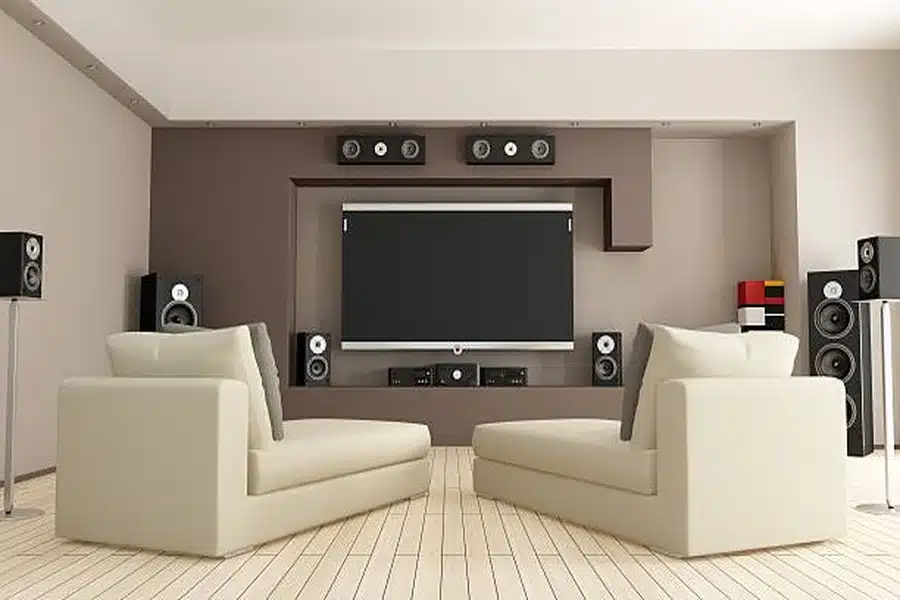
Optimal speaker placement is key to achieving immersive audio. Place speakers at ear level and maintain symmetrical distances for even coverage. Avoid placing speakers too close to walls, and consider using acoustic panels or rugs to reduce reflections and enhance clarity. Subwoofer placement can also impact bass response, and experimenting with locations can produce tighter, more controlled low frequencies.
System Care and Maintenance
Maintaining a system prolongs its performance and lifespan. Regularly check connections, clean dust from components, update firmware, and avoid exposure to humidity or excessive heat. Handling cables carefully and powering off devices when not in use helps prevent long-term wear and ensures consistent sound quality for years of entertainment.
Upgrading Your Home Theater on a Budget
Investing in a home theater system does not require a premium budget. Entry-level options, such as compact soundbars with wireless subwoofers, provide significant improvements over built-in TV speakers. Adding inexpensive acoustic treatments, calibrating speaker placement, and upgrading a few components over time can create a near-professional audio experience without major expenses. Smart purchasing decisions and gradual upgrades allow for a personalized setup that meets individual room and budget constraints.
Conclusion
High-quality home theater audio systems transform entertainment by delivering immersive, detailed sound. They turn ordinary viewing sessions into engaging experiences where every scene, note, and sound effect resonates clearly. Investing in a system that aligns with room size, content preferences, and budget ensures lasting enjoyment for movies, music, and games. Proper setup, maintenance, and occasional upgrades make it possible to experience cinematic sound without leaving home. With careful selection and attention to detail, any living space can become a venue for memorable, theater-quality audio experiences at blessingorbit.com.