The Evolution of Fitness Trends: From Aerobics to Digital Workouts
The landscape of fitness has undergone a remarkable transformation over the decades. From the energetic aerobics classes of the 1980s to the personalized fitness apps of today, the journey is both fascinating and insightful. Understanding these shifts offers a window into societal changes and technological advancements that have influenced how we approach health and fitness. This evolution reflects our growing awareness of overall well-being, integrating mind, body, and technology into everyday life. As our environments and lifestyles adapt, so does our approach to fitness, propelling us towards a more holistic and customizable experience.
THE 80S FITNESS CRAZE: WHEN AEROBICS TOOK THE STAGE
The 1980s marked a significant era in fitness history dominated by the aerobics craze. Aerobics, characterized by high-energy moves set to upbeat music, became a popular cultural phenomenon. It wasn’t just about exercise; it was a social activity that brought people together, often in brightly colored leotards and leg warmers. This period emphasized cardiovascular health, and the vibrant classes offered a joyful way to boost physical fitness and social connection.
Additionally, the 80s fitness boom was fueled by the rise of VHS, allowing individuals to bring these classes into their homes. Iconic figures like Jane Fonda became household names, with workout videotapes selling millions of copies worldwide. These developments marked a pivotal shift toward the democratization of fitness, making exercise accessible to a broader audience and setting the stage for future fitness innovations.
THE ROLE OF WEIGHT LOSS MEDICATION IN MODERN FITNESS
In recent years, weight loss medication has become an increasingly common tool for those facing challenges in achieving weight-related goals through traditional exercise and diet alone. While lifestyle changes remain critical, these medications offer support for individuals struggling with obesity or other health-related weight issues, underlining the necessity for a multifaceted approach to health.
Combining weight loss medicine with a robust fitness plan and dietary adjustments has shown positive results for many, offering a comprehensive solution to weight management. Importantly, these medications should be used judiciously, always under medical supervision, as part of a holistic approach to health and fitness to maximize benefits while minimizing risks.
INNOVATIONS OF THE 90S: THE EMERGENCE OF NEW WORKOUT APPROACHES
During the 1990s, the fitness world began to pivot towards new methodologies. The decade welcomed diverse workout routines that catered to varying tastes and preferences, such as Tae Bo and step aerobics. Tae Bo, a blend of martial arts and boxing, added a novel twist to fitness regimes, prioritizing both strength and endurance. Meanwhile, step aerobics took the basic principles of aerobic workouts to new heights, literally, by incorporating a step platform to elevate calorie burn and intensity.
The 90s also saw a surge in gym memberships as fitness centers became increasingly mainstream. This era spotlighted strength training, promoting weightlifting as a vital component of comprehensive fitness. The broader acceptance of weight training, including among women, marked a shift away from cardio-only routines. Fitness enthusiasts were beginning to understand the benefits of a balanced workout plan that incorporated both cardio and resistance training, setting the stage for the comprehensive fitness movements to follow.
THE TURN OF THE CENTURY: HOLISTIC AND MINDFUL FITNESS
As the new millennium dawned, a more holistic approach to fitness began to take hold. This era underscored the importance of mental well-being alongside physical health. Practices like yoga and Pilates gained traction, focusing on flexibility, balance, and core strength while also promoting a mindful connection between body and mind. This shift catered to individuals seeking stress relief and mental clarity through movement.
Furthermore, the early 2000s witnessed an increased interest in personal training and customized workout plans. With advancements in technology, fitness assessments became more sophisticated, allowing for personalized fitness journeys. People began to realize that effective fitness was not a one-size-fits-all proposition, and the demand for tailored programs grew, enhancing individual motivation and results.
DIGITAL REVOLUTION: ONLINE FITNESS PLATFORMS
With the rapid advancement of technology, the fitness industry underwent another significant transformation in the 2010s. The rise of the internet and mobile technology ushered in the era of digital workouts, making fitness more accessible than ever before. Online platforms and apps started to offer a wide variety of workout routines, sometimes led by celebrity trainers, which users could access from the comfort of their own homes.
Virtual fitness classes and on-demand workout videos exploded in popularity, providing flexibility for those with busy lifestyles. Many trainers now host live sessions through video conferencing tools, making guides like How to Record Google Meet especially useful for instructors who want to repurpose workouts or offer replays to members.
Virtual fitness classes and on-demand workout videos exploded in popularity, providing flexibility for those with busy lifestyles. This digital shift democratized fitness by removing geographical constraints and offering affordable options for people to maintain their health. As the digital landscape evolved, so did the features of these platforms, offering interactive experiences and community-building elements to keep users engaged and motivated.
PERSONALIZATION IN FITNESS: TAILORED WORKOUTS FOR INDIVIDUAL NEEDS
One of the significant shifts in the contemporary fitness scene is the emphasis on personalization. With the help of technology, fitness routines can now be tailored to suit individual needs, body types, and goals. Parameters such as personal health data, preferences, and progress are increasingly used to craft bespoke fitness programs.
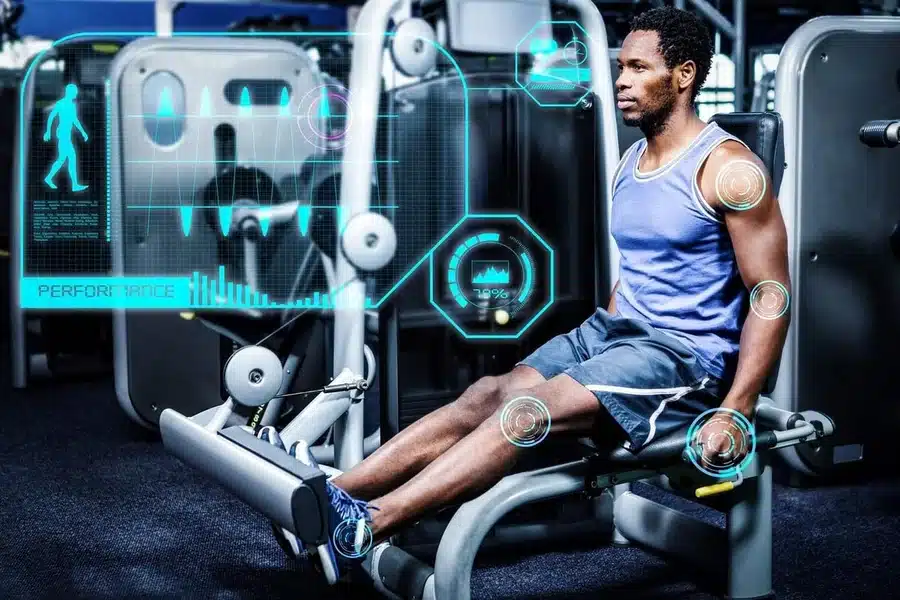
Wearable technology plays a crucial role in this trend, providing insights into physical activity, heart rate, calories burned, and even sleep patterns. These devices encourage a data-driven approach to fitness, empowering individuals to make informed decisions about their health. Personalization ensures that fitness is not solely about achieving a particular body type but focuses on overall health and sustainable well-being.
THE INFLUENCE OF SOCIAL MEDIA ON FITNESS TRENDS
The explosion of social media has had a profound impact on fitness trends. Platforms like Instagram, TikTok, and YouTube have transformed the way people engage with fitness content. Social media influencers, often with substantial followings, use these platforms to promote exercise routines, healthy eating tips, and motivational content.
The visual and interactive nature of social media allows users to replicate their favorite workouts, participate in fitness challenges, and connect with others on similar journeys. This new medium frequently showcases the latest trends and encourages a community-driven approach to fitness, providing both inspiration and accountability. For individuals managing their health through programs like the Arizona Long Term Care System, these digital communities can offer valuable low-impact exercise ideas and social support to maintain mobility and wellness.
FUTURE OF FITNESS: TECHNOLOGICAL ADVANCEMENTS AND BEYOND
Looking ahead, the future of fitness seems inexorably linked to technology. Innovations such as virtual reality workouts, AI-powered personal trainers, and more sophisticated wearable devices foretell a future where fitness is profoundly customizable and tech-integrated. As these technologies evolve, they promise to deliver more engaging and efficient workouts, meeting individuals where they are in their fitness journeys.
Furthermore, sustainability and mindfulness are expected to become more prominent in fitness. Eco-friendly workout gear and practices that emphasize mental as well as physical health are likely to gain traction. The future of fitness involves a more seamless integration of daily activity, focusing on long-term well-being and resilience.
THE IMPORTANCE OF A BALANCED APPROACH TO FITNESS
While the evolution of fitness trends showcases the diverse options now available, the key to success lies in balance. A well-rounded approach that incorporates aerobic exercise, strength training, flexibility, and mindfulness practices promotes overall health and longevity. It’s crucial to remember that true fitness extends beyond aesthetic goals, aiming for a life enhanced by vitality and strength.
Maintaining consistency and adaptability while setting realistic goals helps sustain motivation and enjoy the journey. By staying open to trying new activities and leveraging advancements in technology, individuals can find joy in movement and cultivate a lifelong dedication to health and wellness.
CONCLUSION: EMBRACING THE JOURNEY OF WELLNESS
Reflecting on the evolution of fitness trends, it’s clear that the pursuit of health has become a dynamic, personalized experience. Embracing a wellness journey means understanding that fitness is not static but continuously evolving with technological advancements and societal changes. The road to well-being is uniquely personal, rife with possibilities for exploration and self-discovery. By balancing modern conveniences with tried-and-true practices, individuals can forge a fulfilling and sustainable path to health—one that enriches the mind, body, and soul. As fitness trends continue to evolve, they remind us of the unlimited potential within ourselves to adapt, grow, and thrive.