Red Light Therapy for Skin Tightening: Common Myths Worth Retiring
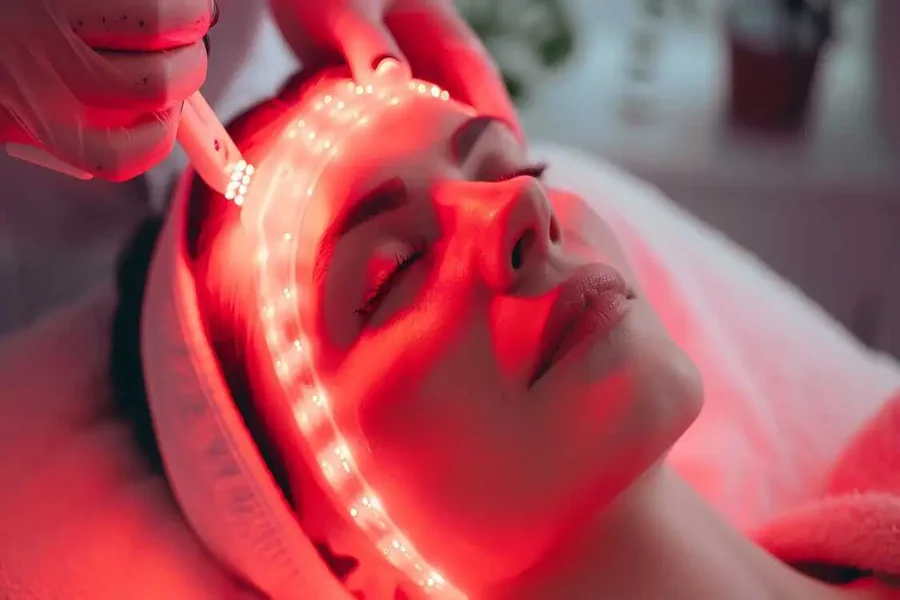
A category that grows this quickly online inevitably accumulates a fair amount of misinformation alongside legitimate information. Some of the most persistent myths about red light therapy and skin tightening are worth addressing directly, since they shape expectations in ways that can lead to either premature disappointment or unrealistic hype.
Myth: It Works Like a Face Lift
This is probably the most damaging myth, since it sets up an expectation the technology was never designed to meet. Red light therapy for skin tightening supports gradual collagen production, it does not reposition tissue, remove excess skin, or produce the immediate, dramatic change associated with a surgical procedure. Comparing the two sets up an unfair, inaccurate benchmark.
Myth: You’ll See Results After One Session
A single session produces essentially no visible change, since the biological process it triggers, increased collagen synthesis, unfolds gradually over multiple weeks of consistent treatment. Any dramatic before-and-after claiming single-session results is either showing a different kind of temporary change, such as swelling reduction, or is not an honest representation.
Myth: More Sessions Always Means Faster Results
There appears to be a reasonable dosing range beyond which additional sessions do not meaningfully accelerate results and may increase the risk of mild irritation. According to clinical research addressing common misconceptions about light-based skin treatments, consistency within a recommended frequency range outperforms excessive, above-guideline use in terms of actual measured outcomes.
Myth: It Only Works on Fine Lines, Not Real Sagging
While red light therapy is more effective against fine, textural aging than significant structural sagging, it does have a documented effect on skin elasticity and firmness more broadly, not exclusively surface-level fine lines. The distinction is one of degree, mild to moderate laxity responds reasonably well, while significant sagging is less likely to be fully resolved through light therapy alone.
Myth: Higher Wattage Always Means Better Results
Wattage alone does not indicate how much usable light energy actually reaches the skin, irradiance and wavelength accuracy matter far more than a raw power number. A device with a high wattage rating but poor light delivery design can underperform a lower-wattage device engineered more effectively.
Myth: Natural Sunlight Provides the Same Benefit
While sunlight does contain red and near-infrared wavelengths, it also contains UV radiation that actively damages collagen and increases skin cancer risk, meaning the net effect of sun exposure is fundamentally different from a controlled, UV-free light therapy device, despite some overlapping wavelength ranges.
Myth: Results Are Permanent Once Achieved
Collagen-supporting benefits require ongoing maintenance, stopping treatment entirely does not cause an immediate reversal, but the natural aging process resumes its usual pace over time without continued use. Think of it as an ongoing input rather than a one-time fix.
Myth: Any Red Light Is Equally Effective
Wavelength accuracy matters significantly, only a fairly specific range has been shown to reliably trigger the mitochondrial response responsible for collagen benefits. A red-colored light outside this effective range will not produce the same biological effect regardless of how similar it looks.
Myth: Cheaper Devices Just Take Longer to Work
This assumption gives underpowered devices too much credit. A device delivering insufficient irradiance is not simply a slower version of an effective one, below a certain output threshold, the biological trigger may not occur meaningfully at all, regardless of how long or how often it is used. Price alone does not determine this, but wavelength accuracy and adequate power output do.
Why It Is Worth Reviewing These Periodically
Given how many of these myths continue circulating despite being addressed repeatedly, it is reasonable to expect new variations to keep appearing as the category grows. Periodically revisiting a trusted, evidence-based source rather than relying on a single past explanation helps keep your understanding current as new claims emerge.
Checking Claims Before Believing Them
Given how much misinformation circulates, it is worth developing a habit of checking dramatic or surprising claims against actual research rather than assuming social media popularity equals accuracy. Our fact-check of viral skincare device claims reviews some of the most widely shared claims in this space against what the evidence actually supports.
Why These Myths Persist Despite Being Debunked
A lot of these myths persist simply because dramatic claims spread more easily online than measured, accurate ones, and because a small number of misleading marketing campaigns can shape public perception disproportionately relative to their actual prevalence. Recognizing this pattern helps explain why a myth can remain widely believed even after being repeatedly corrected in more careful sources.
A Healthy Level of Skepticism Serves You Well
Approaching new, dramatic claims about this category with a reasonable degree of skepticism, checking whether a claim matches the established, gradual mechanism rather than assuming it must be true because it is widely repeated, is a useful general habit for navigating this space as new products and claims continue to emerge.
The Bottom Line
Misconceptions about red light therapy and skin tightening tend to either oversell the technology as a face-lift alternative or dismiss it as ineffective marketing, when the reality sits in between: a genuinely evidence-supported, gradual approach to firmness and texture that works best with realistic, informed expectations.