What Is E-Invoice Software And How It Works
The problem with handling invoices manually is that it can be very daunting as your business grows and more transactions are taking place. You can be faced with late payments, errors in calculations, lost files, and being under constant pressure to satisfy compliance.
Meanwhile, managing taxes and maintaining accuracy between several invoices may take up precious time and resources. Consequently, conventional invoicing practices tend to introduce inefficiencies that slow down operations and affect cash flow.
This is where E-invoicing software adds transparency and manageability to your operations.
Automation of repetitive processes and minimization of errors enable businesses to work smarter and faster. This automation is emerging as a primary source of operational efficiency. This article discusses what the E-invoice software is, how it works, and why it is an important part of contemporary business processes.
What is E-Invoice Software?

Firstly, E-invoice software is an electronic tool that is utilized to compose, transmit, maintain, and archive invoices in an electronic format. You will be able to create invoices automatically with proper data and standard formats instead of manual billing systems.
Moreover, the software keeps regulatory requirements in place, particularly in situations where E-invoicing is compulsory. It also connects to accounting systems and keeps your financial data in sync. Consequently, you minimize errors and maximize efficiency.
More so, most solutions provide customizable templates, so you can retain brand consistency and still have invoices that look professional. This increases credibility among customers and enhances clarity in communication. Recurring invoices, such as those based on subscriptions, can also be automated, saving more time and effort.
The functionality of E-invoice Software
Now that you have the concept, consider how it works. The first step is to input transaction information, including buyer details, products, price, and tax.
The software then creates an invoice in a standard format. In controlled systems, it can be authenticated using an authorized portal and allocated a distinct identification number or QR code.
The invoice will then be digitally sent to the customer and documented in your accounting system. Lastly, all invoices are kept in a safe location to be audited and used in the future.
Also, most platforms offer real-time status updates, so you can see whether an invoice has been viewed, accepted, or paid. Such visibility enables you to follow up more efficiently and build better relationships with clients.
Important Characteristics that Render it Effective
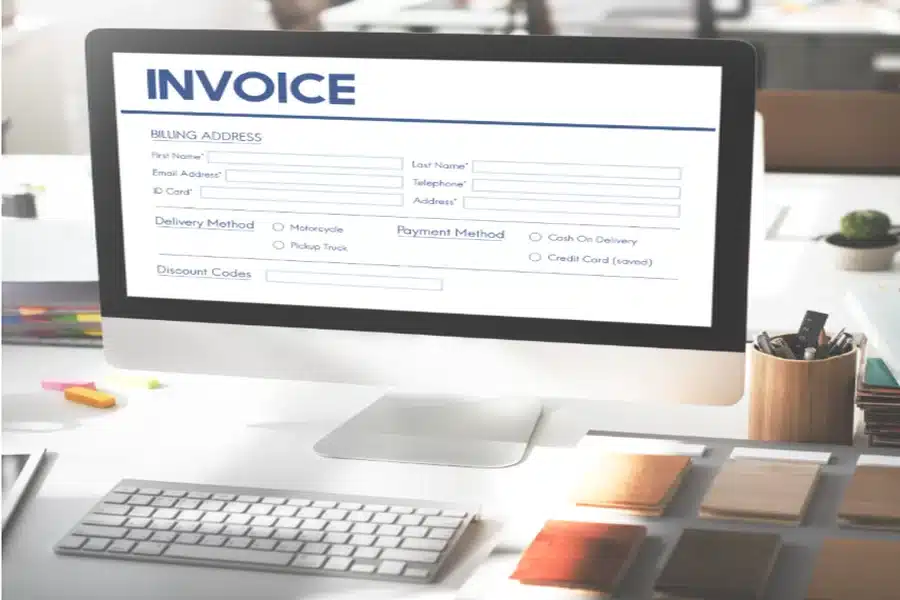
Automation is one of the key benefits of E-invoice software. You are able to create invoices without the use of manual calculations. Further, real-time validation guarantees conformity prior to invoice dispatching, minimizing the chances of rejection. Integration with accounting systems keeps data up to date.
Cloud storage enables availability at any time, and reporting tools assist in monitoring payments and cash flow. These characteristics make invoicing quick and effective.
Moreover, it is less complicated to conduct transactions in multiple currencies and multiple languages, which is more convenient when a business operates on an international level. There are also platforms that have integrated reminders that alert clients to their pending or outstanding payments.
Modern Business Advantages
E-invoice software saves time because it automates repetitive tasks. Moreover, precision is enhanced, as calculations are computer-based, which decreases conflicts.
Shorter invoicing also results in shorter payments, which enhances cash flow. Moreover, automated changes will ensure that you remain abreast of the evolving tax laws.
It also increases transparency because all records are stored digitally and can be retrieved easily when required. This openness empowers financial decision-making and builds confidence with stakeholders. This will help in increasing predictability in revenue cycles over time.
Role in Compliance and Tax Reporting

In contemporary invoicing, compliance is paramount. E-invoice software makes sure that invoices comply with regulatory requirements and formats.
It can also be linked to tax systems to be validated and reported in real time. This minimizes mistakes and makes it easy to file taxes.
Consequently, you will take less time in compliance activities and more in business activities. It also minimizes the risk of penalties that might be incurred as a result of wrong filings. This simplifies the process of audits and saves time.
Integration With Business Systems
E invoice software integrates with accounting, inventory, and CRM systems. Because of this, data flows seamlessly across operations.
For example, when a sale is recorded, an invoice is generated automatically, and the records update instantly. This reduces duplication and ensures consistency.
Moreover, integration improves collaboration between departments, as everyone works with the same updated data in real time. This leads to faster internal processes and better coordination.
Why It Is Becoming a Business Necessity
In today’s digital environment, manual invoicing is no longer practical. Businesses need speed, accuracy, and compliance. E-invoice software meets these needs while supporting scalability. Whether you manage a few invoices or many, it adapts easily.
As governments push digital tax systems, adopting E-invoicing is becoming essential. Businesses that delay this shift may face operational inefficiencies and compliance risks. Early adoption also provides a competitive advantage.
Final Thoughts
E-invoice software has transformed how businesses manage billing and financial records. Automating invoice creation, validation, and storage removes inefficiencies and improves accuracy. Moreover, it ensures compliance with tax regulations while enhancing transparency.
As you adopt this system, you gain better control over cash flow and reduce manual workload. In addition, integration with other tools improves overall efficiency and collaboration across departments. Over time, this leads to better financial planning and faster decision-making.
Ultimately, using E-invoice software is not just a digital upgrade but a smart step toward efficient financial management and long-term business growth in a rapidly evolving digital landscape.