Why Wooden Hot Tubs Keep Showing Up in Celebrity Garden Tours
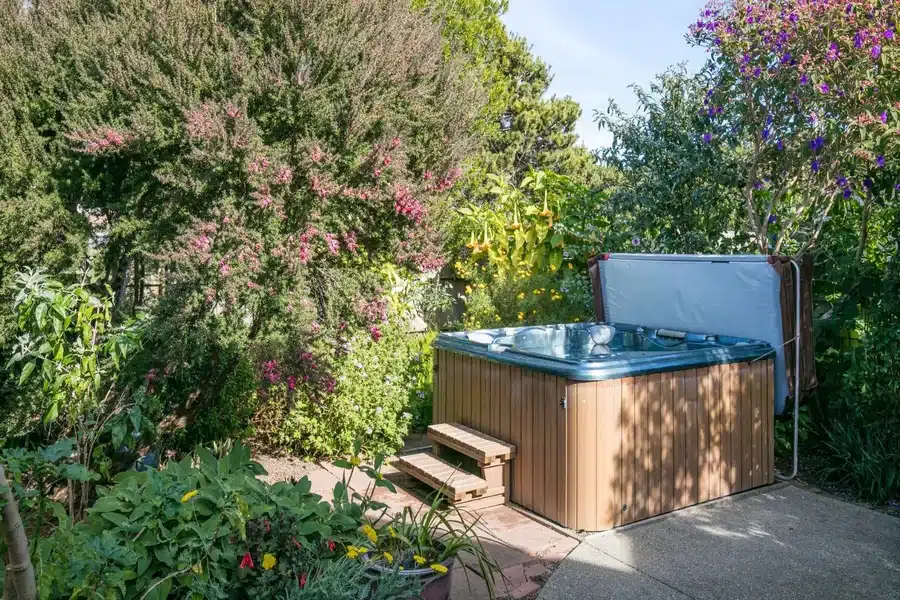
Celebrity home tours used to focus on the indoor stuff. The kitchen, the living room, the closet that doubled as a small fashion archive. Over the last few years the camera has moved outside, and the back garden has started carrying as much of the personality as anything inside the front door. Pizza ovens, fire pits, outdoor kitchens, sunken seating areas. And, increasingly, a wood-fired wooden hot tub tucked into the corner.
The wooden hot tub is an interesting choice. It is not the bubbling acrylic spa that dominated celebrity reveals a decade ago. It is closer to a small Nordic sauna culture imported into private gardens. Cedar, larch, or spruce timber. A high-grade steel wood-burning stove inside or alongside the tub. No mains electricity required to heat it. A different aesthetic, a different routine, and increasingly the photogenic centrepiece of garden tours filmed for YouTube, Instagram, and lifestyle press.
Why the wooden version has overtaken the plastic spa for some audiences
Three reasons keep coming up in interviews and on-camera tours.
The first is appearance. A wooden tub blends into a landscaped garden in a way that a plastic shell does not. It reads as part of the garden architecture rather than as appliance furniture. For homeowners who have invested in landscaping, that matters.
The second is the ritual. A wood-fired tub takes time to heat. The owner builds a fire, the water warms over a couple of hours, and the soak happens slowly rather than at the touch of a button. The slower pace is, oddly, the point. It is the same logic that has driven the popularity of cold plunges, saunas, and breathwork. The deliberate process is part of the appeal.
The third is the running cost. A wood-fired tub does not draw constant electricity to maintain temperature. The owner heats it when they want to use it. For anyone who has watched the energy cost of a traditional plug-in spa, that economics conversation lands.
The UK has quietly become a serious supplier
A lot of the wooden tubs showing up in celebrity reveals trace back to UK makers who build them to order. Specialists such as Royal Tubs have been producing wood-fired wooden hot tubs in the UK since the mid-2010s, working in cedar and similar sustainably sourced timbers and pairing each tub with a high-grade steel wood-burning stove. Their range covers deluxe rounded tubs, square models, smaller two-person Ofuro designs, plus related garden wellness items including saunas, camping pods, and BBQ huts. Delivery and installation are handled nationwide, and short-term hot tub hire is also available for owners who want to trial the format before buying or for events.
For a homeowner replicating the look they saw in a garden tour, the practical answer is usually a UK-made wood-fired wooden tub rather than an imported acrylic spa. The aesthetic, the heat-up ritual, and the lower ongoing running cost only work in that specific format.
What to think about before buying
Space and access. A wooden tub is heavy when full. The siting decision needs a flat, load-bearing surface and a delivery route wide enough for the tub itself.
Timber type. Cedar, larch, and spruce each behave slightly differently in terms of longevity and finish. Buyers should ask the manufacturer which timber they use and how it is sealed.
Stove type. Internal stoves heat faster but take up tub space. External stoves keep the inside clear but heat slightly slower. Both work, the choice is preference.
Use case. Permanent garden installation, occasional event hire, off-grid lodge or cabin use. The right model is usually different for each.
Cover and maintenance. A good insulated cover dramatically reduces the time and wood needed to bring the tub back up to heat between uses.
Where the trend is going
Garden wellness is no longer a passing celebrity quirk. It has settled in as a normal part of how homes are planned in the UK and beyond, and the wooden hot tub has emerged as the centrepiece because it does more than one thing at once. It is a wellness tool, a social setting, a visual feature, and an off-grid friendly piece of garden infrastructure. For homeowners building out a longer-term garden plan rather than a quick upgrade, the wooden tub now competes with conservatories and outdoor kitchens as the single feature that defines the space.
Frequently Asked Questions
How long does a wood-fired wooden hot tub take to heat up? Heat-up time depends on the tub size, starting water temperature, and stove type. Most wood-fired wooden hot tubs reach a comfortable soaking temperature in roughly one and a half to three hours.
Do wood-fired hot tubs need an electricity supply? A wood-fired tub does not need mains electricity for heating. Some owners add an optional air bubble system or filtration pump that does require power, but the core function of the tub does not.
What timber is typically used for a wooden hot tub? Common choices include cedar, larch, and spruce, all selected for their natural resistance to moisture and their suitability for outdoor use. Reputable UK manufacturers use sustainably sourced timber.
How long does a wooden hot tub last? With proper care, a quality wooden tub typically lasts well over a decade. Lifespan depends on timber type, cover use, water care, and how often the tub is drained when not in use.
Can a wooden hot tub be installed on grass? Most makers recommend installing the tub on a flat, load-bearing surface such as a paved patio, gravel base, or reinforced timber deck. A full tub of water is heavy, and grass alone is not a stable long-term base.
Are wooden hot tubs available for short-term hire in the UK? Yes. Some UK manufacturers offer hot tub hire alongside their for-sale ranges, which lets homeowners trial the format or use a tub for events before committing to a purchase.