Overlooked Expenses That Can Derail a Travel Budget
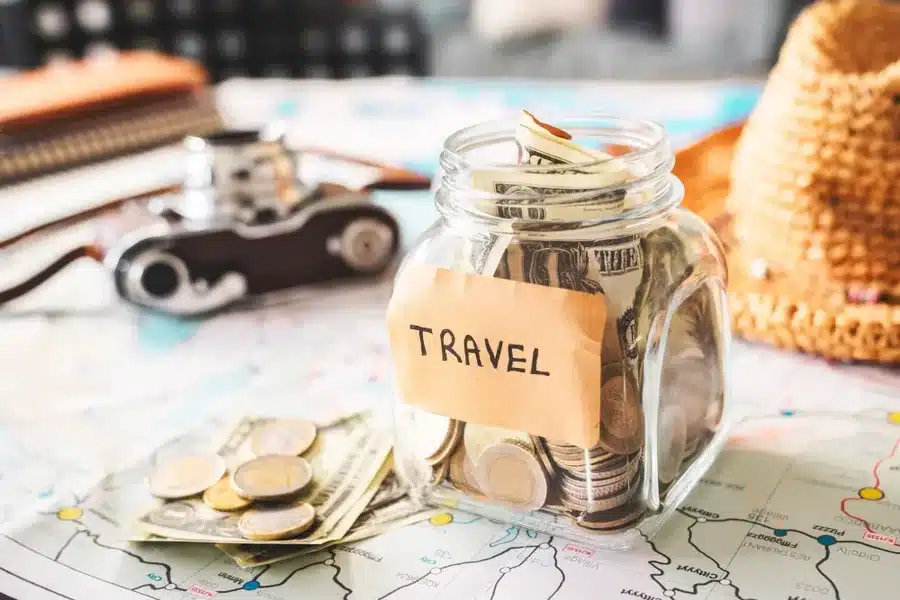
Most travellers are good at budgeting for the obvious costs. They typically account for flights, accommodation, and major activities early. However, smaller, less visible expenses often go unnoticed and can quietly drain a travel fund. In this article, we will look at some of these overlooked costs and share tips to help you avoid them.
Data Roaming and Connectivity Fees
International data charges are one of the easiest traps to walk into. A few days of checking maps, uploading photos, and messaging back home on a roaming plan can generate a bill that rivals the cost of the flight itself. Many travellers assume they will rely on free Wi-Fi, only to discover that it is unreliable or unavailable.
Sorting out a local data plan before departure is one of the simplest ways to avoid these issues. Travellers visiting East Asia, for instance, can set up Holafly’s eSIM for Taiwan before leaving and arrive with a fixed-cost data plan already active. Knowing the exact cost of connectivity in advance makes it one less variable in the daily budget.
Foreign Transaction and ATM Fees
Banking charges abroad add up faster than most people realise. Foreign transaction fees typically sit around one to three percent of every purchase, and ATM withdrawals in another country often carry a flat fee on top of an unfavourable exchange rate. Over a two-week trip, these charges can easily amount to a meaningful sum.
Checking the fee structure of existing bank cards before departure is a straightforward first step. Some accounts offer fee-free international spending, and travel-oriented prepaid cards allow currency to be loaded at a locked-in rate. Withdrawing larger amounts less frequently also reduces the impact of flat ATM charges, though carrying too much cash brings different risks.
Tourist-Priced Transport
Getting from the airport to the city centre is often a traveller’s first encounter with inflated prices. Unofficial taxis, unmetered rides, and overpriced private transfers can set the tone for a trip in the worst way. The same pattern repeats at popular tourist sites, ferry terminals, and train stations.
A few minutes of research into the standard fare for common routes will help you avoid most of these overcharges. Pre-booking airport transfers, using official taxi ranks, and knowing the approximate cost of a ride before getting in all help. In cities with reliable public transport, the cheapest option is often the fastest as well.
Visa and Entry Costs
Visa fees are straightforward to budget for when they are listed clearly on an embassy website. The overlooked costs sit around them: service charges for visa processing, passport photos taken at inflated prices near consulates, expedited handling fees, and reciprocity fees charged at the border by certain countries.
Some destinations also charge departure taxes that are not included in the flight ticket. These are usually payable in cash at the airport, which catches travellers off guard if they have already spent their remaining local currency. Checking for these charges before the final day of a trip prevents unpleasant surprises at the gate.
Eating Out Three Times a Day
Restaurant meals are one of the largest daily expenses on any trip, and the cost compounds quickly when every meal is eaten out. Breakfast is the most common culprit. Hotel breakfasts, especially in tourist-heavy areas, often carry a steep surcharge.
Mixing restaurant meals with self-catered options brings the daily food spend down considerably. Shopping at local supermarkets or street markets for breakfast and snacks keeps costs manageable without sacrificing the experience of eating well. Saving the dining budget for one memorable meal per day is a great strategy.
Travel Insurance Excesses and Gaps
Budgeting for travel insurance is straightforward, as it requires a single upfront cost, but many people often overlook the excess on claims. Policy exclusions are another gap that costs travellers money. Standard cover commonly excludes adventure activities, certain medical conditions, and electronics exceeding a specific value. Reading the policy details rather than just the price ensures there are no expensive surprises when something goes wrong.
Small Daily Purchases
A coffee, bottled water, a museum entry fee, a locker at the train station, a public toilet charge: individually, none of these costs seem worth tracking. Collectively, however, they form a significant line item over a week or two that most budgets never account for.
Setting a daily cash allowance for minor expenses is a practical way to keep them under control. Withdrawing a fixed amount each morning and treating it as the limit for incidental spending forces a level of awareness that simply tapping a card does not. When the cash is gone, the small purchases should stop.
The Budget That Actually Works
The most reliable travel budgets are the ones that plan for the unglamorous costs as well. Transaction fees, tourist-priced taxis, and the steady drip of small daily purchases are the expenses that sometimes push a trip over budget. Accounting for them in advance will help you create a plan that holds up from departure to return.