Dermatology- Diagnosis and Treatment of Common Skin Disorders

Your skin is a crucial protective barrier. It’s also a window into your overall health. So even minor skin issues that we often assume are purely cosmetic can actually be indicators of deeper health problems.
When you notice a sudden breakout, persistent itching, or a stubborn rash, always consult your dermatologist. Most skin issues cause irritation, infection, inflammation, or trigger other conditions. And the longer they go unaddressed, the worse it gets.
Dermatologists help diagnose and treat conditions affecting the skin, hair, and nails. With clinical expertise, the right testing tools, and targeted treatment, they help you manage a range of skin issues, from eczema to skin cancer.
This article explores the diagnosis and treatment of common skin disorders.
How Dermatologists Diagnose Common Skin Disorders
Looking at the skin alone is not enough to tell how deep the problem is. Additionally, symptoms such as redness, itching, and dryness are common in many skin disorders. Treating the wrong thing doesn’t just waste time; it can make the actual problem worse. This is where dermatologists come in.
A dermatologist helps you get a full view of the conditions. That’s because they look beyond the skin’s surface. They evaluate skin texture, inflammation patterns, lesion appearance, and medical history.
Modern diagnostic tools enable accurate identification of skin issues. They use dermoscopy to analyze lesions at a deeper level, skin biopsies when tissue testing is necessary, allergy and patch testing for contact reactions, and fungal testing when they suspect an infection.
That’s why choosing an experienced provider like Park Plaza Dermatology matters. You get access to comprehensive services and proper care from medical evaluations to cosmetic procedures.

Treatment of Common Skin Disorders
Below are treatments for common skin disorders;
1.Facial Skin Conditions
Facial conditions like acne usually occur when excess oil clogs pores. They can also result from bacteria or hormonal changes in the skin that disrupt how the skin functions.
Topical retinoids and benzoyl peroxide are commonly used for mild to moderate acne. If this is not enough, oral antibiotics and/or hormonal therapy can help. Persistence issues often mean you need a stronger chemical peel or personalized treatment.
How you treat rosacea is different. However, many people mistake it for acne. This condition is known to cause redness, flushing, visible blood vessels, and bumps in the area, typically around the face and nose.
Treatment usually requires first identifying and avoiding personal triggers, such as sun exposure, spicy foods, alcohol, or stress. Then, combine good practices with topical or oral medication to prevent flares.
2. Inflammatory Skin Conditions
Eczema is a chronic condition that leads to inflammation, very itchy, dry skin, and flares that come and go. Common causes include detergents, certain fabrics, pet dander, and stress. It often starts in childhood, but plenty of adults develop it too.
Psoriasis is an autoimmune disorder that happens when the immune system speeds up skin cell turnover, resulting in thick, scaly patches. These are common around the elbows, knees, and on the scalp. Similarly, symptoms often flare and subside over time.
Dermatologists often use corticosteroids to control inflammation. Medicated moisturizers to support the skin’s barrier function, immunomodulators help with inflammation that is not responding to corticosteroid treatment, and phototherapy treatment is necessary for more severe presentations.
3. Skin Cancer Screenings and Mole Evaluations
Skin cancer is highly treatable when detected early. There are 3 main types, usually classified by the type of skin cell affected: basal cell carcinoma, squamous cell carcinoma, and melanoma.
- Basal Cell Carcinoma: Most common and usually slow-growing.
- Squamous Cell Carcinoma: Has a moderate risk of spreading if left untreated.
- Melanoma: Most dangerous because it can spread quickly.
A routine skin checkup helps identify new or changing moles early. If the dermatologist finds a suspicious lesion, they perform a biopsy to confirm whether cancer is present. Treatment can include cryotherapy, surgical excision, or other removal procedures. Because sun exposure remains the leading risk factor, routine screenings and proper sun protection are essential for prevention.
4. Hair Loss and Nail Disorder Treatments
Hair loss can result from various conditions, including alopecia, hormonal changes, chronic stress, nutritional deficiencies, or scalp disorders. The cause shapes the treatment, so dermatologists begin by evaluating scalp health and follicle condition before recommending a course of action. They can be treated with topical or oral medications. Lifestyle changes may also help.
Nail health is part of the picture, too. Dermatologists usually treat fungal infections, brittle nails, discoloration, and inflammatory nail conditions. Just like the skin, nail health is often an indicator of what’s happening beneath the surface.
5. Cosmetic and Preventive Dermatology Services
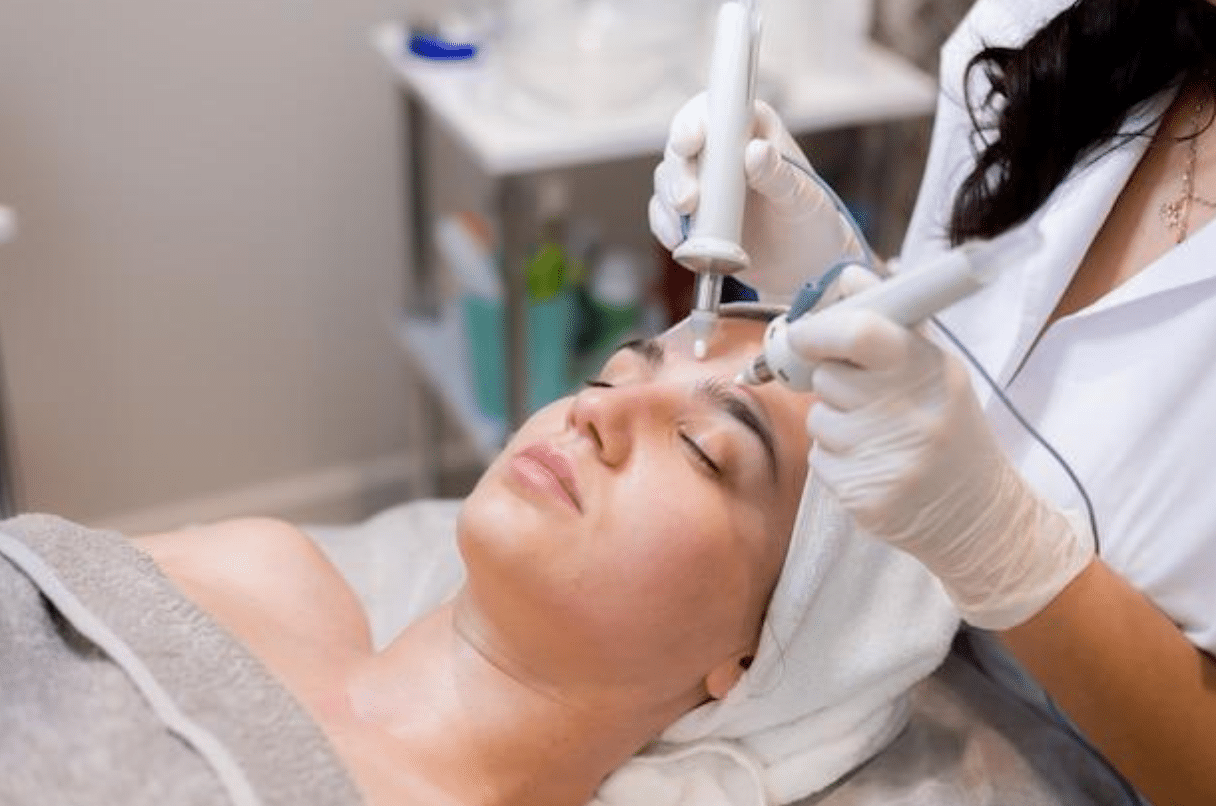
Dermatology isn’t only about treating disease. Reputable providers offer chemical peels, dark spot treatments, scar management, cosmetic excisions, dermal fillers, and Botox. They help improve how skin looks.
Sometimes, a proactive approach through preventive care is the best way to keep the skin healthy. Dermatologists offer personalized skincare plans, sun protection tips, and routine evaluations to help you prevent skin damage before it worsens.
Conclusion
As the largest organ in your body, the skin is exposed to many risks. That’s why skin issues like breakouts are pretty common. A proper daily care routine helps keep your skin looking great and prevents premature aging.
When you have any concerns about your skin, the right step is to visit a dermatologist. These are experts in various skin conditions and can help you properly diagnose and treat everything from acne to skin cancer. This way, you are not just addressing issues at the surface level but also deep beneath, for lasting results.
Seeing a reputable dermatologist is something that you should do routinely at least once a year. And you don’t have to suffer from skin conditions to do it; a proactive approach is the best way to maintain healthy-looking skin. So keep a regular check-up schedule with your dermatologist to spot potential issues early and treat them accordingly.