Native or Cross-Platform? The Mobile App Decision Most Founders Get Wrong
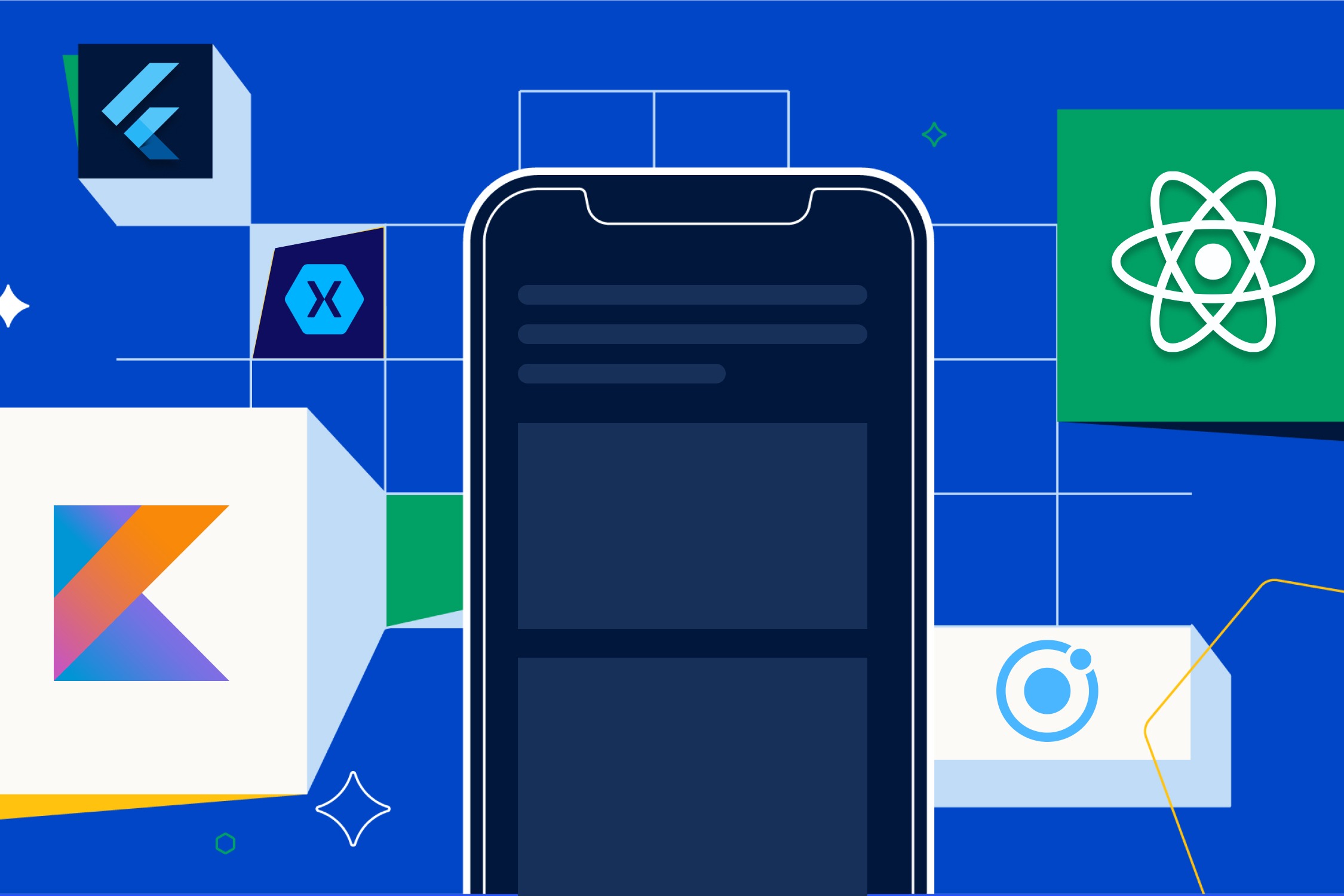
Every founder eventually hits the same fork in the road: build a mobile app, and decide how. The choice used to be simple — native for quality, cross-platform if the budget was thin. That logic is outdated. Frameworks like Flutter and React Native have closed most of the performance gap, and for the majority of business apps, the “compromise” option is now the smarter one.
Getting this decision wrong is expensive. A midmarket native build for iOS and Android typically runs $150,000 to $400,000, plus 15–20% of that cost annually to keep it maintained. Choosing the wrong approach at the start doesn’t just cost money — it can mean a rewrite six months before you needed to be scaling. This is exactly the kind of decision worth bringing in a team that specializes in mobile app development rather than guessing based on what a competitor did last year.
Why Cross-Platform Won the Argument
Five years ago, cross-platform meant visible compromise — janky animations, sluggish scrolling, apps that just felt “off.” That’s no longer true for most categories of app. Industry data now puts cross-platform as the right fit for roughly 80% of new mobile builds, with native reserved for a narrowing set of cases: deep hardware integration, sustained high-frame-rate graphics, or platform extensions like Apple Watch and CarPlay.
The economics back this up clearly. Cross-platform frameworks typically cut development costs by 30–50% compared to building two separate native codebases, while sharing 80–95% of business logic and up to 90% of UI code across platforms. Teams also report 30–40% faster development cycles, which matters more than raw performance for most startups racing to prove product-market fit before the runway runs out.
When Native Still Wins
None of this means native is obsolete. If your app depends on real-time AR, sustained 60fps graphics, Bluetooth peripheral integration, or operates in a regulated industry like healthcare or fintech where every API call needs to be auditable, native still has a real edge. A fintech company building a mobile banking app, for instance, often accepts a higher upfront cost specifically because native gives compliance teams a cleaner story during audits.
The mistake isn’t picking native — it’s picking it by default, without checking whether the app actually needs it. Building two full native codebases for a standard app with logins, lists, forms, and a REST API is, in the words of one development agency, “paying 60 to 70 percent more for an outcome real users cannot tell apart from a well-built cross-platform app.”
The Real Risk Isn’t the Framework — It’s the Architecture
Here’s the part most decision-makers underweight: roughly 70% of apps get abandoned within 100 days of launch. In nearly all of those cases, the framework wasn’t the reason users left. Weak architecture, unclear value, poor onboarding, and broken performance under real-world load are the actual culprits — and none of those problems are solved just by picking React Native over Flutter, or vice versa.
This is why serious mobile teams increasingly frame the native-versus-cross-platform question as secondary to a bigger one: does the product’s architecture support the business for the next three years, not just the next three months? A well-built cross-platform app that scales cleanly beats a technically “purer” native app that nobody maintained properly.
Questions to Ask Before You Commit to a Framework
Founders and product leads should be able to answer these before locking in a build:
- Does the core functionality genuinely require deep, platform-specific hardware access?
- What’s the existing team’s skill set — JavaScript/React, or none of the above?
- What does the maintenance budget look like 18 months from now, not just at launch?
- Is speed to market or raw performance the priority for this specific product?
If the honest answers point toward a standard business app — logins, data display, payments, push notifications — cross-platform is very likely the right call, and the savings can fund the features that actually differentiate the product.
The Bottom Line
The native-versus-cross-platform debate isn’t really a technology decision anymore. It’s a business one, and it deserves the same scrutiny founders give to pricing or hiring. The frameworks have matured enough that the “right” answer depends far more on the specific product, team, and industry than on which option sounds more impressive in a pitch deck.
Founders who treat this as a strategic call — not a technical afterthought — tend to ship faster, spend less on rebuilds, and end up with apps that actually survive past the first year.
About the author’s company
This article was contributed with insight from Solar Digital, a digital agency working with clients across the US, UK, and EU on product design, engineering, and mobile app development. Solar Digital has been recognized on Clutch’s Global 1000 list and as a top web design company, with teams that have delivered mobile and web products for clients in fintech, logistics, real estate, and retail across Europe and North America.