Common Mistakes To Avoid In Company Incorporation in Singapore
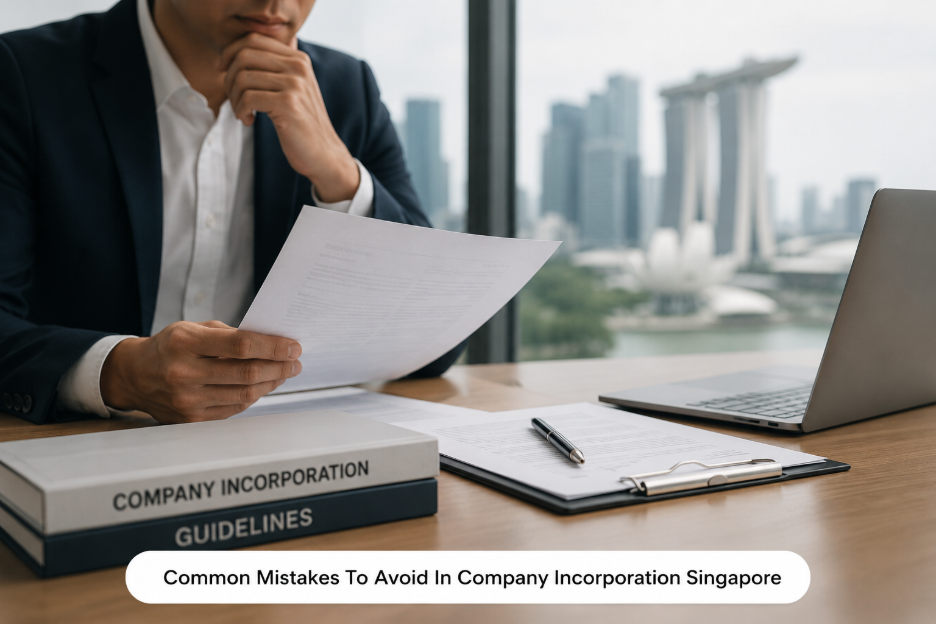
Starting a business is exciting. You now have the opportunity to make your idea a reality. Many entrepreneurs, however, move too quickly through the process because they want to start trading as soon as possible. That excitement can sometimes lead to unnecessary errors that cost time, money, and needless stress later on.
When it comes to Company Incorporation in Singapore, knowing a bit more about the process can mean the difference between a smooth and rough trip. While Singapore is a business-friendly nation, that doesn’t mean everything just falls into place. Taking the time to understand the requirements and procedures before registering a business can help entrepreneurs make more informed decisions. Those seeking more info on starting a company in Singapore can access useful resources and expert guidance through OpenCompanySingapore.com to better understand the incorporation process. With proper preparation, business owners can avoid common challenges and take confident steps toward building a successful company in Singapore. If you are aware of the most common mistakes, you will have a better head start when starting your business.
1. Choosing the Wrong Business Structure
The first step in company incorporation in Singapore is choosing the appropriate business structure, which affects almost all subsequent proceedings. Many first-time business owners simply take the structure that sounds familiar without considering their long-term plans.
One advantage of a sole proprietorship might be its simplicity of business registration. But it does not distinguish between personal and business debts. Your personal assets may be at risk if your business is in trouble.
A limited company is a private company that provides limited liability and can provide greater credibility with investors, suppliers and customers. Additionally, it can facilitate capital raising as the business expands.
Don’t just be looking out for the first year; think further than that. Consider going into business with others, bringing in investors, expanding abroad, and growing your business in the future. Choosing the right structure at the outset will save you a lot of money.
If there is any doubt, don’t just look online for a comparison; seek professional advice as well. The best structure for your business will vary depending on the situation.

2. Using an Unsuitable Company Name
Some business owners spend many weeks developing their business concept and select a business name in just a couple of minutes. Unfortunately, this simple step can lead to a long delay in the incorporation process.
Every company name must be approved before registration in Singapore. The name could be rejected if it is the same or too similar to a business name already in use. Some words may also be subject to governmental approval before use.
Once you have been approved, your company’s name is a part of your brand. If a name is confusing or hard to pronounce, it’s going to be a bit harder to market. However, a clear and compelling name helps customers keep your business in mind.
Also, it is advisable to see if matching domain names and social media handles are available. Branding your business consistently across platforms makes it easier to find online.
The time you spend researching your chosen name can save you a lot of time later and reduce rebranding expenses.

3. Overlooking Legal and Regulatory Requirements
Many business owners believe that incorporation is the final step. Actually, it’s just the start.
There are varying regulatory demands across sectors. Certain businesses require additional licenses or permits to operate legally. Failure to follow these requirements will result in penalties or interruptions once operations start.
Business owners should also know which requirements continue after they incorporate. These responsibilities can encompass accounting records, annual returns, meetings, and tax deadlines.
Failure to fulfill these duties can lead to monetary fines or compliance issues that worsen over time.
A simple compliance calendar is an effective way to keep you organized all year long. Many companies collaborate with corporate service providers or company secretaries to ensure major deadlines are not overlooked.
Treat compliance as a continual aspect of business, not as a registration task.
4. Failing to Plan Shareholding and Director Responsibilities
Trust and excitement are two things that can often kick off business partnerships. Unfortunately, many founders don’t discuss ownership and responsibilities because they feel that things will happen naturally.
This can lead to severe issues in the future.
Before they form the company, founders should reach a consensus on the distribution of shares, who will have a say in important decisions, and what will happen if someone wants to leave the company.
Without clear agreements, disagreements can easily affect day-to-day operations and relationships at the business level.
Director responsibilities should also be clearly understood. Directors have legal responsibilities and a duty to act in the best interests of the company. They are tasked with Singapore’s corporate laws and the business’s governance.
Documenting expectations early creates clarity for everyone involved. It also reduces misunderstandings as the company grows and new opportunities arise.
Open conversations during the planning stage are much easier than resolving disputes after the business becomes successful.

5. Trying to Handle Everything Without Professional Guidance
Many entrepreneurs try to reduce startup costs by managing every aspect of incorporation themselves. This can be a savvy investment idea, but problems that arise during the registration process can be costly to correct later on.
Professional incorporation experts are aware of the latest laws, regulations, and compliance requirements. They can identify issues before you submit your application and suggest solutions that meet your business objectives.
Their counsel is particularly useful when your business has foreign shareholders, several directors, an intricate ownership structure, or is looking to expand into international markets.
Business owners can also leverage professional expertise to focus on product development, marketing, and operations, rather than getting bogged down in administrative tasks.
Professional assistance shouldn’t be considered a waste of money. Rather, it is an investment that will help minimize risk, improve efficiency, and increase confidence during the incorporation process.
It is common to see many successful companies start with expert guidance, as they know the importance of making the right decisions from the beginning.
Final Thoughts
A smooth incorporation process is rarely about completing forms quickly. It is about making informed decisions that support your business for years to come.
By avoiding these common mistakes, you give your company a stronger foundation for growth, reduce unnecessary complications, and position your business for long-term success in Singapore’s competitive business environment.