
How different cultures have viewed luck throughout history
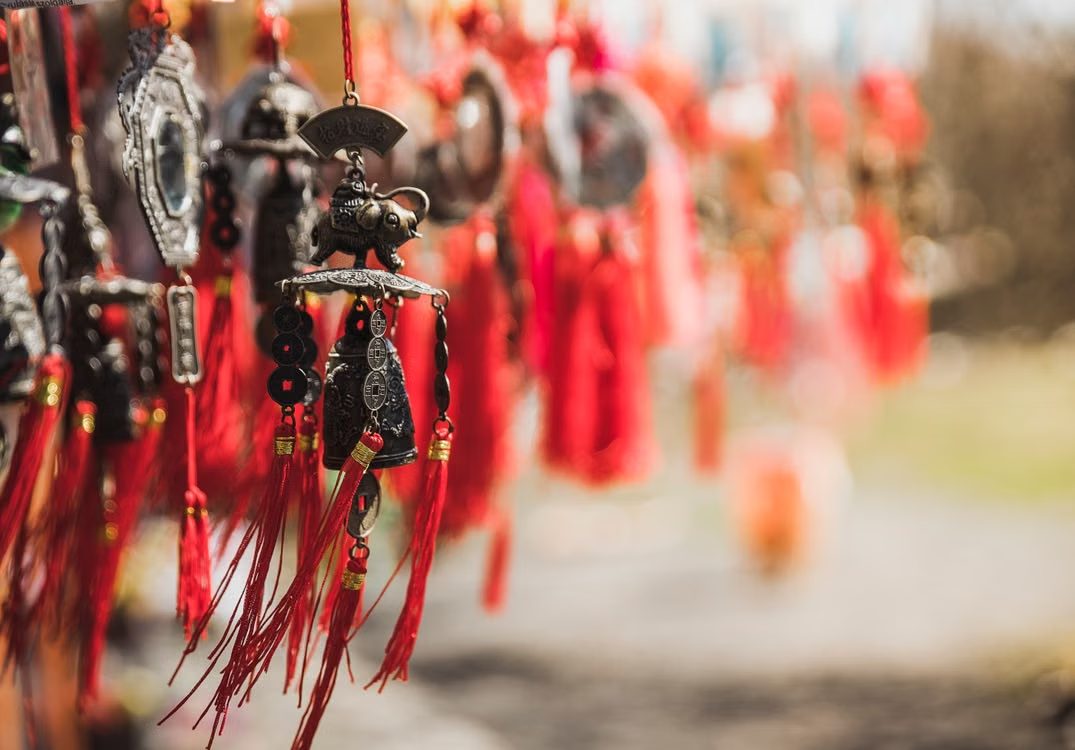
Humans have always been fascinated by luck. Across recorded history, people have tried to understand it, attract it, avoid bad fortune, or influence what happens next. That fascination appears everywhere, from ancient rituals and religious practices to familiar habits such as knocking on wood, carrying a lucky charm, or wearing the same shirt during an important game.
Luck is rarely just about winning or catching a lucky break. It also reflects a deeper human need to make sense of uncertainty. When life feels unpredictable, beliefs about fortune, fate, and probability can make random events seem understandable.
Games of chance as cultural expression
One of the clearest ways societies have explored uncertainty is through recreation and entertainment. Many traditional casino games, for example, have much older predecessors in dice, cards, lots, and other games of chance. Archaeologists have discovered thousands-of-years-old dice and knucklebones at sites across Asia, the Middle East, and the Mediterranean region.
These objects were not always used in the same way modern dice are used. Some were part of games, while others were connected with fortune-telling, ritual practices, or attempts to interpret divine will. The line between play, prediction, and spiritual belief was often less distinct than it is today.
Some historians trace the earliest card-like games to China, though the exact origins of playing cards remain debated. Card games later appeared in Persia, the Middle East, and Europe, evolving as they spread through trade and cultural exchange.
Among some Indigenous nations in North America, games involving chance also carried meanings beyond entertainment. Depending on the community, games could form part of ceremonies, social gatherings, trade, storytelling, or community bonding.
These examples show that games of chance were not simply early versions of modern gambling. They were cultural activities shaped by local beliefs about risk, fate, community, and the unknown.
Ancient roots of fortune and fate
Many early civilisations connected fortune with gods, omens, moral conduct, or ritual practice rather than viewing it as purely random.
In ancient Mesopotamia, priests used divination practices to seek guidance from the gods. Dreams, celestial events, and unusual natural occurrences could all be interpreted as signs of future events.
Ancient Egyptians wore scarab amulets associated with protection, renewal, and rebirth. These objects were not simply lucky decorations. They reflected broader religious beliefs about safety, life, death, and the afterlife.
In ancient Greece and Rome, fortune was sometimes represented through deities. Tyche was associated with the fate and prosperity of cities, while the Roman goddess Fortuna represented luck, change, and the unpredictability of life. Her famous wheel became a lasting symbol of how quickly circumstances could rise or fall.
Indian religious traditions developed different ways of understanding fortune. Karma connected intentional actions with future consequences, although it was far more complex than the idea of simply earning good or bad luck.
Although these societies did not share a single belief system, many treated fortune as connected to larger spiritual or moral forces.
Lucky numbers, symbols, and superstitions
Numbers have carried symbolic meanings in cultures around the world. In the East, particularly in China, the number eight is associated with prosperity because its pronunciation sounds similar to words linked with wealth or success. The number four is often viewed less favourably because, in several East Asian languages, it sounds similar to the word for death.
These beliefs can influence everyday decisions, including phone numbers, addresses, wedding dates, and property prices.
In many Western traditions, seven is associated with good fortune. It appears frequently in religion, folklore, games, and popular culture. Thirteen, meanwhile, is widely viewed as unlucky in parts of Europe and North America. Some hotels and office buildings even avoid labelling a floor as the thirteenth.
Symbols carry similar cultural weight. Horseshoes are often hung above doors as protective or lucky objects. The rare four-leaf clover is widely seen as a sign of good fortune in Irish culture.
In Japan, the maneki-neko, or beckoning cat, is often displayed in shops and restaurants to welcome customers and encourage prosperity. In parts of the Mediterranean and the Middle East, eye-shaped amulets are used to protect against the evil eye.
Colour can also represent fortune. Red is strongly associated with celebration, prosperity, and happiness in Chinese traditions, which is why it appears prominently during Lunar New Year celebrations and weddings. Green, gold, and other colours have also taken on meanings connected with wealth, growth, or abundance in different regions.
Fortune in religious and philosophical traditions
Religious and philosophical traditions often explain fortune in ways that differ from everyday ideas about luck. In many Buddhist traditions, karma teaches that intentional actions have consequences, sometimes across multiple lives. However, Buddhism does not necessarily treat every fortunate event as a direct reward for past behaviour.
Taoist thought often emphasises living in harmony with the natural order and avoiding forced or excessive action. The idea is not that people can magically attract luck, but that better outcomes may follow when they respond to circumstances with balance and flexibility.
In Hindu traditions, Lakshmi is associated with wealth, prosperity, and well-being. She is widely honoured during Diwali, with customs that may emphasise devotion, generosity, cleanliness, and responsible conduct.
Although these traditions differ substantially, each offers ways to understand uncertainty through moral, spiritual, or philosophical principles.
How modern culture inherits ancient beliefs
Modern life may be shaped by science and technology, but superstition has not disappeared. Athletes repeat pre-game rituals. Students bring lucky pens to exams. People choose wedding dates based on numerology, read horoscopes before making decisions, or carry meaningful objects into job interviews.
Psychological research suggests that people who consider themselves lucky may be more attentive to opportunities, more optimistic, and more resilient after setbacks. In that sense, believing in luck can sometimes influence behaviour, even when it does not change probability itself.
Games of chance also remain popular, from lotteries and card games to digital casino formats. These activities continue a much older human tradition of using dice, cards, lots, and other systems to engage with uncertain outcomes.
Why beliefs about luck still matter
Ideas about luck reveal how societies respond to things they cannot fully control. Some cultures have connected fortune with gods. Others have linked it with karma, harmony, protective symbols, numbers, rituals, or personal behaviour. Modern societies often describe luck in terms of probability and psychology, yet older customs still shape everyday life.
Whether people interpret luck through religion, folklore, mathematics, or personal experience, the fascination remains the same. Uncertainty is unavoidable, and beliefs about fortune give people a way to explain it, prepare for it, and sometimes feel a little more in control.