How to Build a Gothic Wardrobe From Scratch Without Looking Like a Costume
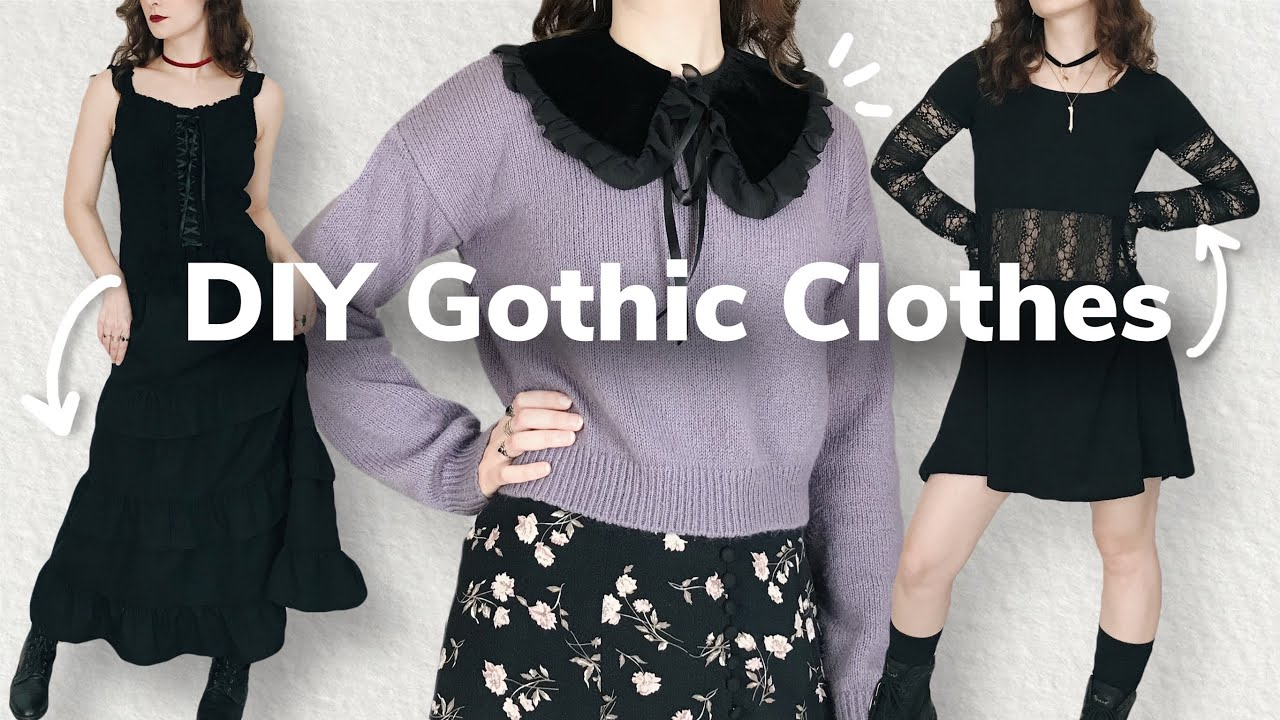
Most people who fall in love with gothic fashion make the same mistake at the start: they buy a single dramatic piece, wear it once, and quietly retire it to the back of the closet. The problem is rarely the garment. It is that the garment had nothing to stand next to. A gothic wardrobe works the same way any other wardrobe works — it needs a foundation, a silhouette, and a small number of pieces that earn their place by being worn constantly.
Here is a practical way to build one, starting from nothing.
Start With Black, But Learn Its Textures
Black is not one colour. Cotton black, faux leather black, velvet black, mesh black, and matte crepe black all read differently under the same light, and an outfit built from four different blacks looks considered in a way that a head-to-toe single-fabric look never does.
Your first three purchases should be plain, well-fitting basics in different materials:
- A black long-sleeve top in soft jersey or mesh — the workhorse layer under everything.
- A pair of black trousers with a defined shape: high waist, straight or flared leg, ideally with some hardware detail.
- One structured outer layer — a faux leather jacket, a tailored waistcoat, or a cropped bolero.
These are boring on their own. That is the point. They are the neutral ground that lets your statement pieces read as intentional rather than chaotic.
Pick One Silhouette and Commit
Gothic style splits into a handful of recognisable shapes, and mixing them at random is what produces the “”costume”” effect people worry about.
Romantic / Victorian
Long lines, high necks, lace, flared sleeves, fitted waists. Everything drapes or cinches. This silhouette rewards patience — a good velvet skirt and a lace blouse will outlast a dozen trend purchases.
Trad Goth / Deathrock
Tight on top, heavy on the bottom. Fishnet, mesh, band tees, high-waisted shorts, and boots that add three inches of height. Sharper and more angular than the romantic look.
Modern / Minimal Goth
Clean tailoring in dark tones with one aggressive detail: a harness over a plain shirt, a heavy chain belt on a simple dress, buckled boots under wide trousers. This is the version most likely to survive a workplace dress code.
Choose one for your first six months. You can borrow across categories later, once you understand what proportions actually suit you.
Spend Your Money on Footwear First
If your budget only stretches to one significant purchase, make it boots. Nothing else transforms an outfit as completely. A pair of chunky platform or combat boots turns jeans and a plain top into something with attitude; a pair of cheap, thin-soled shoes undermines even an expensive dress.
Look for a rubber or PU outsole that is stitched or well-bonded rather than glued at the edges, a lining that will not shred after a month, and a lacing system you can actually get in and out of quickly. Side zips on tall boots are worth paying extra for. Brands built for the alternative market — New Rock, Demonia, Pleaser — size differently from mainstream footwear, so read the specific measurements rather than trusting your usual number.
Break new boots in over three or four short wears before you take them to a nine-hour event. Thick socks and a boot stretcher on the toe box will save you from blisters that ruin a night.
Add Hardware, Not More Clothes
Once you have basics and boots, the fastest way to expand your range is accessories rather than garments. A single mid-length outfit can be restyled five ways with:
- A body harness or chain harness worn over a plain top or dress.
- A wide corset belt to create a waist on anything loose.
- Layered chains and chokers — two or three lengths, varied weights.
- Statement rings, which cost little and photograph well.
- Fingerless gloves or lace gloves for cold weather that actually adds to the look.
Accessories also solve the budget problem. Retailers specialising in the niche, such as the gothic fashion collection at HARD’N’HEAVY, carry harnesses, chokers and corset belts at a fraction of the price of a new dress, which lets you test what you actually like wearing before committing to large purchases.
Learn Two Care Habits Early
Alternative clothing tends to involve materials that punish neglect.
Faux leather cracks when it dries out and when it is folded under pressure. Hang it, never fold it, keep it away from radiators, and wipe it with a damp cloth rather than washing it. A small amount of vinyl conditioner twice a year adds years to a jacket.
Mesh, lace and fishnet snag on everything, including your own jewellery. Wash them in a mesh laundry bag on a cold, gentle cycle, and air dry flat. A tumble dryer will destroy elastane in a handful of cycles.
Corsets deserve a third rule: never launder a steel-boned corset. Wear a thin cotton layer underneath it and spot-clean the outside only.
Build Slowly, Wear Constantly
The wardrobes that look best are not the largest. They are the ones where every item has been worn enough times for the owner to know exactly what it goes with. Buy one considered piece a month rather than five impulsive ones, wear each new addition within a week of it arriving, and be honest about what you keep reaching for.
After a year you will have something that fits your life rather than an aesthetic you saw in a photograph — and that, more than any single garment, is what separates a wardrobe from a costume.