What Makes a High-Performing Emergency Department Team?
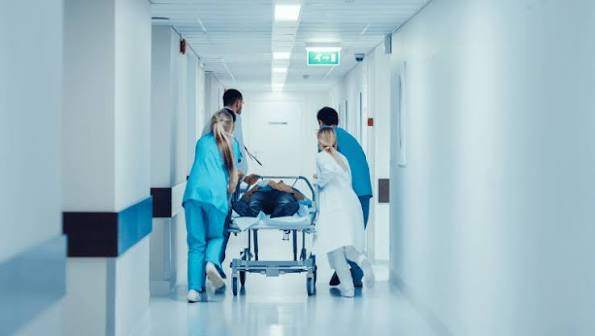
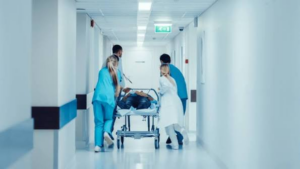
Every emergency department functions in an environment defined by urgency, uncertainty, and complexity. Patients arrive with conditions that range from minor injuries to life-threatening illnesses, often without warning and with limited medical history available. In these circumstances, exceptional clinical outcomes depend on far more than the expertise of an individual physician. Instead, they are the product of a coordinated team capable of making sound decisions under pressure while maintaining a steadfast commitment to patient-centered care. Physicians, nurses, emergency medical services personnel, respiratory therapists, pharmacists, technicians, and administrative staff each contribute specialized knowledge that becomes most effective when integrated into a cohesive system.
For experienced emergency physicians such as Gianluca Cerri MD, the emergency department represents a dynamic environment where leadership is demonstrated not through hierarchy alone, but through collaboration, communication, and mutual respect. High-performing teams consistently transform challenging situations into organized responses, allowing patients to receive timely, efficient, and compassionate care.
Communication as the Foundation of Clinical Excellence
Effective communication remains one of the defining characteristics of successful emergency departments. Clinical expertise has limited value if critical information is not shared accurately or promptly among members of the care team. Emergency medicine requires rapid exchanges of information, frequent reassessment, and continuous updates as a patient's condition evolves.
Structured communication techniques have become increasingly important because they reduce ambiguity during high-pressure situations. Clear verbal reports, standardized handoffs, and concise documentation ensure that every clinician possesses the information necessary to make informed decisions. These practices minimize preventable errors while promoting continuity of care throughout the patient's stay.
Equally important is the ability to adapt communication styles to different situations. A physician speaking with a trauma team requires a different approach than one explaining treatment options to a concerned family member. Skilled clinicians recognize these distinctions and tailor their communication accordingly, strengthening trust among colleagues while improving the patient experience.
Trust Enables Faster and Better Decision-Making
Emergency medicine rarely allows time for prolonged deliberation. Decisions must often be made within seconds, requiring every member of the healthcare team to rely on one another's competence and judgment. Trust develops gradually through consistent professionalism, clinical reliability, and shared experiences managing complex cases.
When trust exists within a department, clinicians become more willing to voice concerns, ask questions, and provide constructive feedback. This culture encourages collaboration rather than hesitation. Nurses feel comfortable identifying subtle changes in a patient's condition, respiratory therapists confidently recommend adjustments to treatment plans, and physicians remain receptive to observations from every member of the team.
Such an environment ultimately benefits patients because valuable information is exchanged without unnecessary barriers. High-performing emergency departments recognize that the best decisions emerge when expertise is shared openly rather than confined by rigid professional boundaries.
Leadership Extends Beyond Clinical Authority
Leadership in emergency medicine is often misunderstood as simply directing medical care. In reality, effective leadership encompasses far more than issuing clinical orders. Strong physician leaders cultivate environments where every team member understands their role, feels valued, and remains focused on common objectives.
Experienced emergency physicians frequently set the emotional tone of the department. During periods of extraordinary demand, maintaining composure becomes just as important as making accurate diagnoses. Calm leadership reduces anxiety, promotes organized thinking, and enables the entire team to function more effectively despite external pressures.
Leadership also requires adaptability. Unexpected patient surges, equipment limitations, or staffing challenges demand flexibility and thoughtful resource allocation. Rather than viewing these circumstances as obstacles, effective leaders encourage creative problem-solving while preserving patient safety as the highest priority.
These qualities reflect the broader philosophy embraced by Gianluca Cerri MD, whose career has demonstrated the importance of combining clinical expertise with collaborative leadership across diverse emergency care environments.
Respect Across Disciplines Strengthens Patient Care
Modern emergency departments rely on professionals from multiple disciplines, each bringing unique expertise that contributes to patient outcomes. Physicians evaluate complex medical conditions, nurses provide continuous bedside assessment, pharmacists optimize medication safety, laboratory personnel generate critical diagnostic information, and emergency medical services often initiate lifesaving interventions before hospital arrival.
High-performing teams recognize that every contribution carries significance. Respect for each discipline encourages open dialogue and creates opportunities for collaborative decision-making. This interdisciplinary approach reduces fragmentation while ensuring that patients receive comprehensive care from the moment they enter the emergency department until discharge or admission.
Professional respect also supports workforce resilience. Healthcare professionals who feel heard and appreciated are more likely to remain engaged, communicate effectively, and contribute positively to the overall culture of the department. These seemingly intangible factors ultimately translate into measurable improvements in patient satisfaction and clinical performance.
Continuous Learning Creates Sustainable Excellence
Emergency medicine evolves continuously as new research, treatment guidelines, and technologies emerge. High-performing departments embrace lifelong learning as a shared responsibility rather than an individual pursuit. Regular case reviews, simulation exercises, morbidity and mortality conferences, and interdisciplinary educational sessions provide valuable opportunities to refine clinical practice.
Importantly, effective teams do not reserve learning exclusively for successful outcomes. Challenging cases frequently offer the greatest educational value. Reflective discussions conducted in a constructive, non-punitive manner encourage transparency while strengthening future decision-making.
This commitment to ongoing professional development helps departments maintain consistency despite changing clinical demands. As individual clinicians expand their knowledge, the collective expertise of the entire team grows accordingly.
Supporting Resilience in High-Stress Environments
Emergency medicine places extraordinary emotional and cognitive demands on healthcare professionals. Clinicians routinely encounter critically ill patients, emotionally charged family interactions, and unpredictable workloads that require sustained concentration over extended periods. High-performing teams acknowledge these realities and actively support one another throughout demanding shifts.
Resilience is not simply an individual characteristic but a collective responsibility. Colleagues who recognize signs of fatigue, provide assistance during difficult cases, and encourage open conversations about workplace stress contribute to healthier professional environments. These supportive relationships reduce burnout while preserving the quality of patient care.
Departments that prioritize psychological well-being often demonstrate greater consistency in performance because clinicians remain better equipped to manage prolonged periods of clinical intensity. Organizational culture therefore becomes an essential component of both workforce stability and patient safety.
The Collective Pursuit of Better Outcomes
Exceptional emergency care is rarely the result of isolated expertise. Instead, it reflects the combined efforts of highly skilled professionals working toward a common purpose with discipline, trust, and mutual respect. Communication, leadership, interdisciplinary collaboration, continuous learning, and resilience collectively distinguish departments that consistently deliver outstanding patient care.
While medical knowledge remains indispensable, the ability to function effectively as a unified team ultimately defines excellence in emergency medicine. Patients may remember the physician who treated them, but behind every successful outcome stands an entire network of healthcare professionals whose coordinated efforts made that care possible.
Throughout a career devoted to emergency medicine, Gianluca Cerri MD has exemplified the principles that support high-performing clinical teams. By fostering collaboration, encouraging professional growth, and maintaining an unwavering focus on patient-centered care, experienced emergency physicians help create environments where both clinicians and patients can achieve the best possible outcomes.