
Simple Ways to Make Playtime More Engaging for Young Children
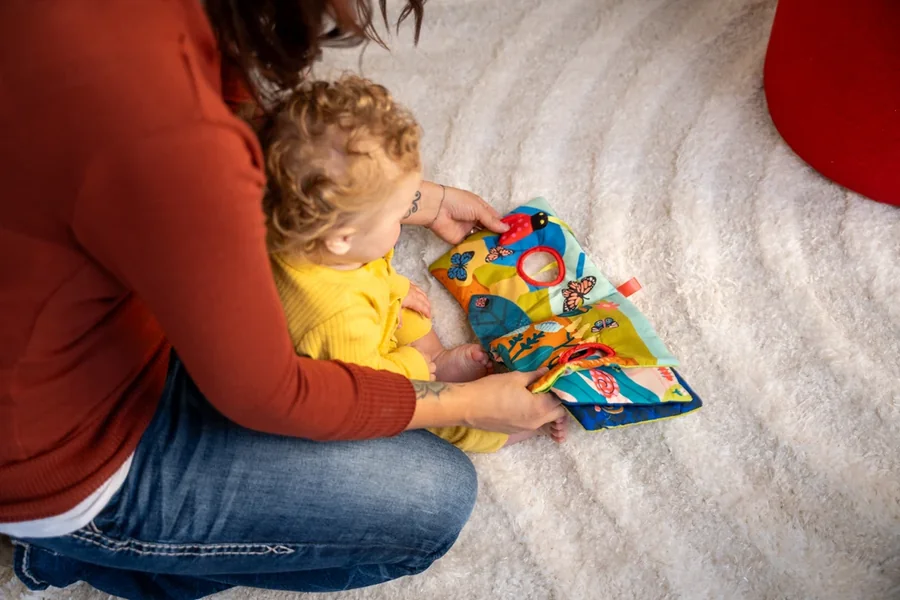
Play is an important part of childhood, but keeping young children interested does not mean parents need to constantly purchase new toys or plan elaborate activities.
Some of the most engaging forms of play use simple materials, everyday objects, movement, imagination, and opportunities to explore. The goal is not to keep children occupied every minute. Instead, parents can create an environment that gives them different ways to discover, experiment, and use their creativity.
Here are some practical ideas for making everyday playtime more varied and enjoyable.
Create a Dedicated Play Area
Children do not necessarily need an entire room devoted to toys.
A corner of a bedroom, living room, or another suitable space can become a recognizable play area. A small rug, accessible toy storage, and a child-sized table may be enough to create a useful setup.
Keeping frequently used toys within appropriate reach can also encourage children to choose activities independently.
The area does not need to remain perfectly organized throughout the day. What matters is creating a safe and comfortable place where play is encouraged.
Rotate Toys Rather Than Constantly Buying More
When every toy is permanently available, children can sometimes lose interest in them.
Toy rotation provides a simple alternative.
Keep a manageable selection available and store some toys elsewhere. After a period of time, exchange them.
Previously stored toys can feel interesting again when they reappear.
This approach can also reduce clutter and make it easier for children to concentrate on the activities available to them.
Introduce Sensory Activities
Young children naturally explore their environment using different senses. Activities involving textures, movement, colors, sounds, and safe materials can add variety to ordinary playtime.
Parents looking for inspiration can explore Sensory Play Ideas for Toddlers and Preschoolers and adapt suitable activities according to their child’s age, interests, and developmental stage.
Sensory activities do not need to be complicated. Water, appropriately sized containers, safe dough, fabrics, and other everyday materials can potentially become part of supervised play.
Safety remains essential. Activities should be age-appropriate, and small objects or other materials that could present a hazard should be avoided where necessary.
Encourage Open-Ended Play
Some toys have one obvious purpose. Others allow children to decide what they become.
Building blocks, cardboard boxes, art materials, play dough, and similar resources can encourage open-ended play.
A box might become a car one day and a house the next. Blocks might become a tower, road, bridge, or imaginary animal enclosure.
There is no single correct outcome, which gives children more freedom to experiment.
Make Movement Part of the Day
Play does not always need to happen while sitting at a table.
Simple movement activities can provide a useful change of pace.
Children might enjoy dancing, following an indoor obstacle course, throwing soft balls into containers, or copying different animal movements.
When weather and circumstances permit, outdoor play can provide additional opportunities for running and exploration.
Introduce Creative Activities
Drawing, painting, sticking, and other age-appropriate crafts provide opportunities for creativity.
The finished result does not need to look perfect.
Allowing children to experiment with materials can be more important than producing something that resembles an adult example.
Protect tables and floors when necessary so that occasional spills do not turn a creative activity into a stressful experience.
Follow the Child’s Interests
Parents often have elaborate ideas for activities only to discover that their child wants to do something completely different.
That is normal.
Observe what captures your child’s attention and use those interests as inspiration.
A child fascinated by vehicles might enjoy building roads from blocks. Someone interested in animals might enjoy matching toy animals, drawing them, or creating imaginary habitats.
Following existing interests can make engagement easier.
Include Quiet Play
Not every activity needs to be highly stimulating.
Books, puzzles, drawing, building, and imaginative play can provide calmer alternatives.
Having both active and quiet options allows children to move between different types of play throughout the day.
Keep Cleanup Manageable
An activity that takes an hour to clean up may not be practical for an ordinary weekday.
Use trays, washable surfaces, containers, or outdoor areas for potentially messy activities where appropriate.
Children can also participate in simple cleanup routines suitable for their age.
Putting blocks into a basket or returning art supplies to a container can gradually make tidying part of the play routine.
Final Thoughts
Engaging play does not depend on expensive toys or complicated schedules.
A combination of sensory exploration, movement, creativity, open-ended materials, and quiet activities can provide plenty of variety.
The most useful activities are generally those that suit the child’s age and interests while remaining manageable for the adults supervising them.
Frequently Asked Questions
What is sensory play?
Sensory play generally refers to activities that encourage children to explore through senses such as touch, sight, sound, and movement.
Does sensory play require special toys?
No. Many activities can use simple, safe household or craft materials, provided they are appropriate for the child’s age.
How often should toys be rotated?
There is no fixed schedule. Parents can rotate toys when they notice that available options are receiving less attention.
Should parents lead every activity?
Not necessarily. Providing safe opportunities for independent, open-ended play can allow children to decide how they want to use materials.
How can I reduce playtime clutter?
Keep a smaller number of toys available, use clearly defined storage, and introduce simple age-appropriate cleanup routines.