How to Plan Food for a Stylish Social Event in Dubai
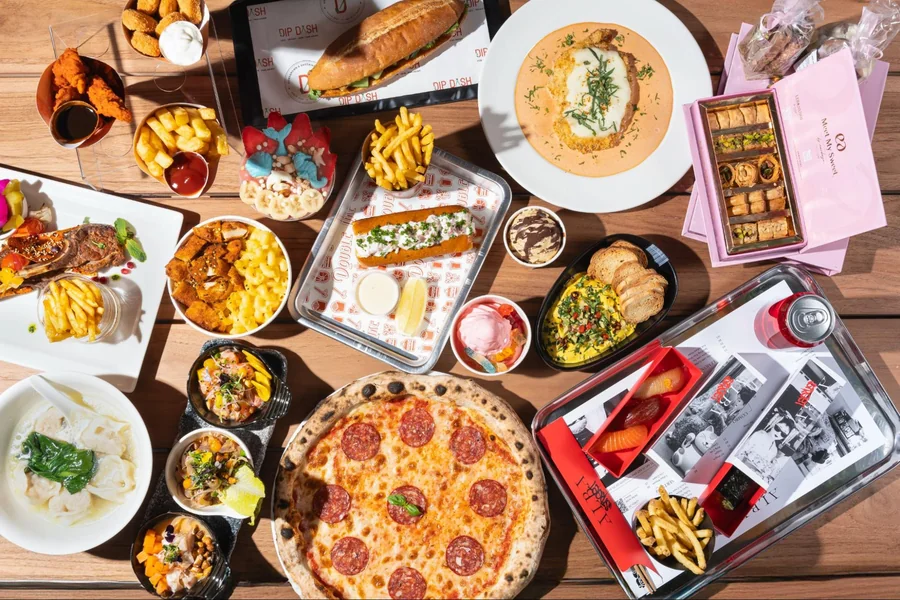
Food can shape the entire atmosphere of a social event.
Whether you are organizing a birthday, corporate gathering, engagement, private celebration, or informal reception, the menu influences how guests interact and how smoothly the event runs.
The right approach depends on the number of guests, venue, event style, duration, and whether people will be seated or moving around.
Start With the Type of Event
Before choosing dishes, think about the event itself.
A formal dinner has different requirements from a networking reception or birthday celebration.
Ask whether guests will be seated for most of the event or expected to socialize and move around.
For events where conversation and movement are important, smaller portions can be more convenient than a formal multi-course meal.
Consider Finger Food for Social Events
Finger foods and canapés can work particularly well when guests are mingling rather than sitting at assigned tables.
They allow people to sample different dishes while continuing conversations and moving around the venue.
Hosts who prefer not to prepare everything themselves can consider finger food catering in Dubai when planning canapés and other small-format dishes for private or corporate occasions.
When selecting a caterer, discuss the event format, expected guest numbers, dietary requirements, serving arrangements, and venue beforehand.
Estimate Guest Numbers Carefully
Accurate guest numbers make menu planning considerably easier.
Too little food creates an obvious problem, while excessive quantities can create unnecessary waste and expense.
Ask guests to confirm attendance by a reasonable deadline.
For larger events, discuss final numbers and any adjustment deadlines with the caterer in advance.
Provide Variety
A good event menu usually provides more than one type of option.
Consider different flavors, textures, and levels of richness.
If several canapés are being served, combining lighter and more substantial options can create a more balanced selection.
Variety is particularly important when the event lasts several hours.
Ask About Dietary Requirements
Guests may have allergies, intolerances, religious dietary requirements, or personal preferences.
Collect this information early enough to discuss suitable options with whoever is preparing the food.
Clear identification can also be useful during the event so guests do not have to repeatedly ask what individual items contain.
Food allergies should always be taken seriously and communicated appropriately to the caterer.
Match Food to the Venue
The venue can influence what is practical to serve.
A private home, office, outdoor space, and dedicated event venue each create different logistical requirements.
Consider preparation space, refrigeration, serving surfaces, access, cleanup, and whether staff will be required.
If the event is outdoors, weather and temperature become additional considerations.
Think About How Guests Will Eat
Beautiful food can still be inconvenient if it is difficult to eat in the setting.
For standing receptions, choose items that can be consumed relatively easily without requiring complicated cutting or balancing several utensils.
Napkins, small plates, and suitable serving arrangements should be readily available.
Practicality matters just as much as presentation.
Plan Drinks at the Same Time
Food and beverages should be considered together.
Provide appropriate non-alcoholic options and enough water throughout the event.
The exact selection will depend on the occasion, guest preferences, venue policies, and applicable requirements.
Make drinks easy for guests to access without creating congestion around a single serving point.
Create a Logical Serving Schedule
Serving everything immediately is not always the best approach.
For longer events, staggering food can keep the menu interesting and prevent dishes from sitting out unnecessarily.
Discuss timing with the caterer or serving team beforehand.
Knowing when different items will arrive also helps hosts coordinate speeches, entertainment, and other parts of the event.
Don’t Forget Presentation
Presentation contributes to the overall event experience.
Serving trays, table arrangements, labels, napkins, and other details can make even relatively simple food feel considered.
The presentation should complement the occasion without making the food unnecessarily difficult to serve or eat.
Make Cleanup Part of the Plan
Cleanup is much easier when considered before the event.
Establish who will collect serving items, remove waste, handle leftover food, and restore the venue afterward.
If using professional catering, clarify exactly what the service includes.
Knowing these responsibilities in advance allows the host to spend more time with guests.
Final Thoughts
Successful event catering is about more than selecting attractive dishes.
Guest numbers, dietary needs, venue logistics, serving style, timing, drinks, and cleanup all influence how smoothly an event runs.
Planning these details early makes it easier to create a menu that looks good, tastes appropriate for the occasion, and allows guests to comfortably enjoy the event.
Frequently Asked Questions
What are canapés?
Canapés are small individual portions commonly served at receptions, parties, and other social events.
When does finger food work well?
It can be particularly suitable for events where guests will be standing, networking, or moving around rather than sitting for a formal meal.
How early should catering be arranged?
It depends on the caterer and event size. Larger or more complex events generally benefit from earlier planning.
Should I ask guests about dietary requirements?
Yes. Gathering dietary information in advance helps hosts and caterers plan appropriate options.
What information should I give a caterer?
Useful information includes the date, venue, approximate guest count, event format, dietary requirements, preferred menu style, and serving arrangements.