Why Doctors Often Mistake Alcohol Misuse in Seniors for Normal Aging
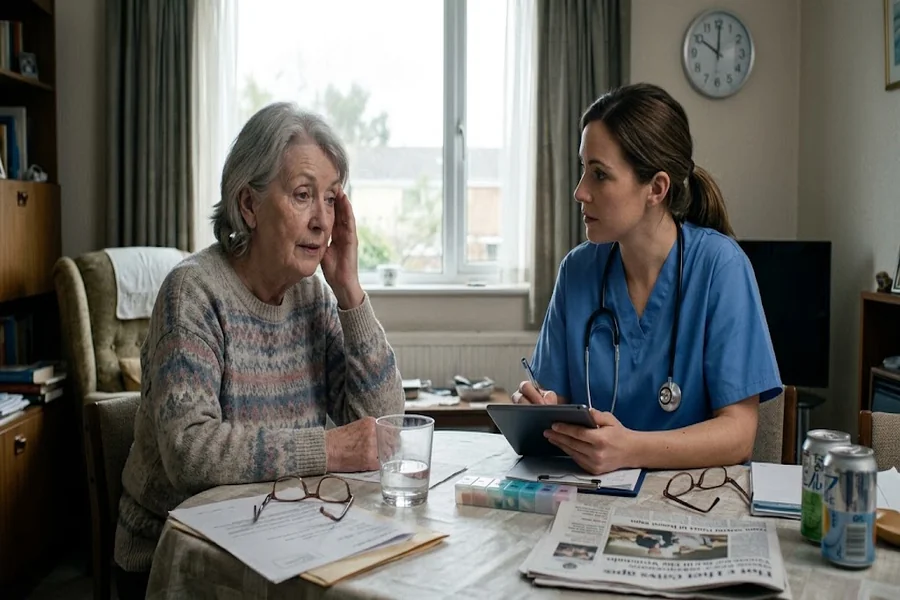
A significant number of older adults with a genuine alcohol use disorder go undiagnosed, not because the signs aren’t present, but because those signs look almost identical to symptoms doctors associate with ordinary aging. Memory lapses, balance problems, fatigue, and mood changes get attributed to getting older, when in some cases alcohol is playing a significant, treatable role that never gets identified or addressed.
Why the Overlap Is So Convincing
Aging genuinely produces many of the same symptoms that alcohol misuse can cause, which is exactly what makes this such a persistent diagnostic blind spot. Balance and coordination naturally decline with age. Memory and cognitive processing slow down for many older adults regardless of substance use. Fatigue, sleep disruption, and mood changes are common complaints across the aging population generally. When a physician sees an older patient presenting with these symptoms, alcohol use often isn’t the first explanation that comes to mind, particularly if the patient doesn’t volunteer information about their drinking and isn’t asked about it directly.
This overlap creates a kind of diagnostic camouflage that doesn’t exist in the same way for younger patients, where unusual falls, memory problems, or mood instability are more likely to prompt direct questions about substance use as a possible explanation.
Why Screening Often Doesn’t Happen the Way It Should
Routine substance use screening is less consistently applied to older patients than to younger populations, partly due to a common but inaccurate assumption that alcohol problems are primarily a concern for younger or middle aged adults. Physicians may not ask older patients directly about their drinking habits during a standard visit, especially if the patient’s chief complaint seems clearly connected to a physical symptom that has an obvious alternative explanation related to aging.
This gap in screening means that alcohol misuse in seniors frequently gets identified later than it would in a younger patient presenting with similar behavioral changes, if it gets identified at all. Family members often don’t raise the topic either, sometimes out of respect for a parent’s autonomy, sometimes because they’ve also attributed changes to aging rather than considering alcohol as a contributing factor.
How Medication Interactions Complicate the Picture Further
Older adults are more likely to be taking multiple medications, and alcohol interacts with a wide range of common prescriptions in ways that can worsen many of the same symptoms attributed to normal aging. Alcohol combined with certain blood pressure medications, sedatives, or pain medications can significantly increase fall risk, cognitive impairment, and sedation, symptoms a physician might reasonably attribute to medication side effects or age related decline without considering that alcohol is compounding the problem.
This overlap between medication interactions and normal aging symptoms adds another layer of difficulty to recognizing alcohol misuse in this population, since a physician addressing a specific medication concern may adjust a prescription without ever asking whether alcohol use is part of what’s actually driving the symptom in question.
Why Reduced Tolerance Changes the Picture With Age
The body’s ability to metabolize alcohol generally declines with age, meaning the same amount of alcohol that was well tolerated at a younger age can produce more significant effects later in life. This means an older adult drinking the same amount they always have may be experiencing meaningfully more impairment than they did in previous decades, without recognizing that their relationship with alcohol has effectively changed even though their consumption habits haven’t.
This physiological shift is an important piece of the puzzle that often goes unaddressed. A pattern of drinking that was genuinely moderate and low risk for most of someone’s adult life can become a real problem later in life, purely due to age related changes in metabolism, without any change in the actual amount being consumed.
Why Isolation and Life Transitions Increase Risk
Retirement, the loss of a spouse, reduced social contact, and other major life transitions common in older adulthood are all associated with increased risk of problematic drinking. Alcohol can become a way of managing grief, loneliness, or the loss of a structured daily routine, and this pattern can develop relatively late in life even in someone with no previous history of alcohol misuse.
This is also where dual diagnosis anxiety often becomes relevant in an older population, since anxiety related to health changes, loss of independence, or grief can develop or intensify with age, sometimes leading to alcohol use as an unaddressed coping mechanism. Recognizing this connection matters, since treating the alcohol use without addressing the underlying anxiety or grief driving it tends to produce incomplete results, regardless of a patient’s age.
Why This Matters for Long Term Health Outcomes
Failing to recognize alcohol misuse in older patients has real consequences beyond the substance use itself. Alcohol can worsen chronic health conditions common in older adulthood, interfere with medication effectiveness, increase fall and fracture risk, and contribute to cognitive decline that might otherwise be partially preventable or manageable. When alcohol use goes unaddressed because it’s mistaken for normal aging, patients may receive treatment for secondary symptoms, memory concerns, balance issues, mood changes, without ever addressing the underlying contributing factor that could meaningfully improve their overall health and quality of life.
What Families and Patients Can Do Differently
Recognizing this diagnostic blind spot means families and patients themselves sometimes need to raise the topic proactively, since a physician may not ask directly. Being honest with a doctor about drinking habits, even when it feels uncomfortable or unnecessary, gives a physician the information needed to consider alcohol as a possible contributing factor rather than defaulting to age related explanations alone.
Families noticing changes in an older relative, memory lapses, mood shifts, increased falls, unexplained fatigue, should consider mentioning alcohol use specifically during a medical appointment, rather than assuming a physician has already ruled it out as a possibility. This kind of direct advocacy can prompt a more thorough evaluation than would otherwise happen during a routine visit focused on physical symptoms alone.
Seeking Treatment That Understands This Population
Addiction treatment centers with specific experience treating older adults understand these dynamics directly, including the role of reduced alcohol tolerance, medication interactions, and life transition related drinking that doesn’t always fit the more commonly recognized patterns associated with younger populations. Coordinated dual diagnosis treatment matters especially in this context, given how often grief, anxiety, or the loss of independence intersects with alcohol use later in life. Families researching options, including drug and alcohol rehab in Florida or alcohol addiction treatment Massachusetts providers, should ask directly whether a program has specific experience with older adult populations, since the presentation and treatment considerations differ meaningfully from those typically emphasized in programs designed primarily for younger patients.
The Bottom Line
Alcohol misuse in seniors frequently hides in plain sight, disguised by symptoms that look identical to ordinary aging and rarely investigated through direct screening in routine medical care. Recognizing the specific factors at play, reduced tolerance, medication interactions, life transitions, and underlying anxiety, gives families and physicians a much clearer path toward identifying a treatable problem that too often goes unaddressed simply because it was mistaken for something inevitable. Addiction recovery is possible at any age, but it starts with recognizing the problem for what it actually is, rather than assuming it’s simply part of growing older.