The Business Of Growing: What Modern Agriculture Gets Right

Agriculture keeps changing, but the drive to grow healthy food remains constant. Experienced growers are blending traditional land wisdom with modern techniques. They build strong operations that protect crops from harsh weather and supply local markets.
Investing in Scalable Growing Structures
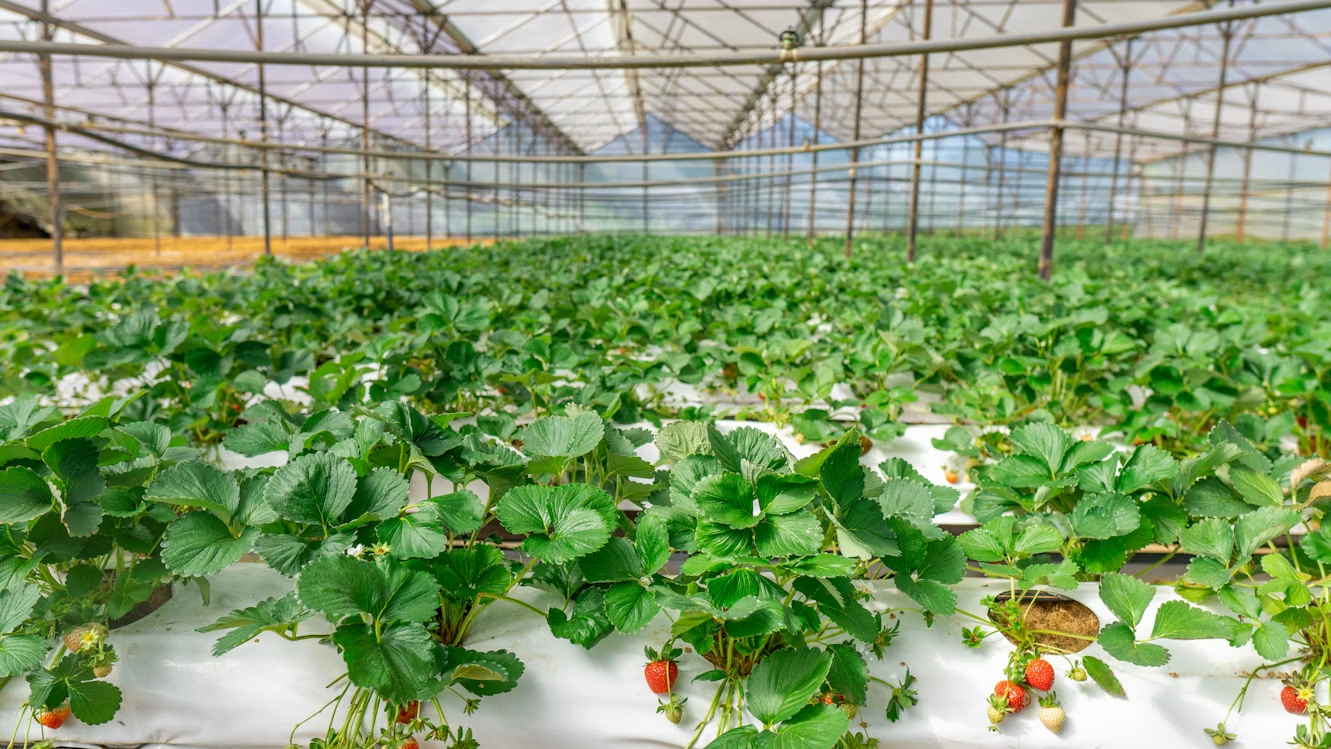
Expanding a farming operation requires reliable infrastructure that stands up to severe storms. Ordering commercial greenhouse kits shipped nationwide allows farm owners to establish heavy-duty growing environments without delay. These prefabricated frameworks give growers full control over climate conditions from day 1.
Installing sturdy metal arches and high side walls protects delicate crops against cold and extreme heat. Ample vertical clearance creates space for tall vine crops, hanging baskets, and ventilation fans. Operations of all sizes depend on these durable designs to extend harvest seasons.
Careful planning guarantees every square foot of indoor space delivers maximum yield. Choosing modular structures makes future expansion straightforward as business demand grows. Family farms use these covered setups to maintain consistent income throughout winter months.
Proper structural anchoring secures the frame against heavy snow loads and high wind gusts. Protective steel coatings extend the operating lifespan of the entire structure.
Smart Systems and Automation Tools
Modern farm management relies on data collection to keep daily operations running smoothly. Automated sensor networks monitor temperature, relative humidity, and soil moisture levels around the clock. Farm operators view these live metrics on mobile tablets to make rapid adjustments.
Research published by Fortune Business Insights highlights that smart farming systems involving artificial intelligence, automation technologies, and sensor-based monitoring solutions continue expanding across commercial operations. These digital monitors detect crop stress long before physical symptoms appear on leaves. Automated routines free up labor hours for strategic maintenance and harvesting.
Connected climate controllers adjust ridge vents and shade cloths automatically as sun exposure shifts. Precise environmental control reduces plant disease risks without heavy chemical treatments. Growers gain peace of mind knowing automated systems safeguard their investments overnight.
Energy Management in Controlled Environments
Running indoor agricultural facilities requires continuous attention to utility usage and thermal efficiency. Thoughtful operators evaluate insulation values and heating equipment routinely to keep power bills manageable. Installing double-layer poly covers creates an insulating air pocket that retains warmth during cold nights.
A report from AgFunderNews reveals that growers working in controlled environment agriculture consider energy efficiency the top priority in 2025. Passive ventilation designs reduce dependency on electric exhaust fans during warm months. Lower power requirements keep operational costs predictable throughout the year.
Smart thermostat scheduling prevents unnecessary heating spikes during off-peak hours. Heat recovery systems capture excess warm air near the roof ridge and recirculate it to root zones. Small efficiency gains compound into substantial financial savings over full harvest cycles.
Efficient Supplemental Lighting Upgrades
Natural sunlight drives plant development, but short winter days reduce crop productivity. Commercial growers install supplemental light fixtures to maintain steady daily light totals during dark months. Modern light fixtures deliver target light spectra without emitting excessive radiant heat toward plant canopies.
Industry data from Mordor Intelligence indicates that light-emitting diode grow lighting held the largest 30.2% share of the commercial greenhouse market in 2025. Solid-state light arrays consume far less electricity than traditional high-pressure sodium fixtures. Upgrading to these efficient fixtures lowers long-term utility expenses significantly.
Balanced light spectra promote dense foliage growth and strong root development in young seedlings. Targeted lighting schedules allow farm managers to match natural daylight cycles precisely. Steady light levels supply predictable harvest dates for commercial buyers.
Key Practices for Consistent Crop Yields
Maintaining top harvest quality throughout changing seasons requires disciplined routines and precise habits. Successful growers focus on several proven core practices:
- Structured crop rotation plans to prevent soil pest build-ups.
- Drip irrigation lines that deliver precise water volume straight to root zones.
- Integrated pest management using beneficial predatory insects.
- Periodic soil testing to track nutrient levels before planting cycles.
Adopting these systematic steps keeps farm soil fertile for decades. Small daily habits turn into major long-term improvements in total crop volume and quality. Consistent monitoring protects growing plants from unexpected disease outbreaks.
Passing Down Knowledge and Agricultural Wisdom
Sustaining a family farm or commercial nursery requires sharing practical skills with younger generations. Seasoned farm owners share decades of hands-on experience alongside modern digital tools. Combining time-tested soil management habits with new technology creates an adaptable business.
Younger family members gain deep respect for hard work, stewardship, and financial planning from veteran growers. Working side by side strengthens family bonds and protects local farm heritage. Shared agricultural knowledge keeps local food systems strong and self-reliant.
Hands-on instruction teaches practical skills that books alone cannot convey. Multi-generational farming operations pass down valuable instincts for weather pattern shifts. Knowledge sharing builds confidence in the next generation of agricultural leaders.
Modern agriculture flourishes through thoughtful structure design, disciplined resource management, and mentorship. Blending classic growing knowledge with new equipment helps farm owners remain profitable through changing markets. Well-managed farms nurture healthy communities, leaving a strong legacy for the next generation of growers.