Mini, Full, Extended or Fleur-de-Lis: Choosing the Abdominoplasty Your Body Actually Needs
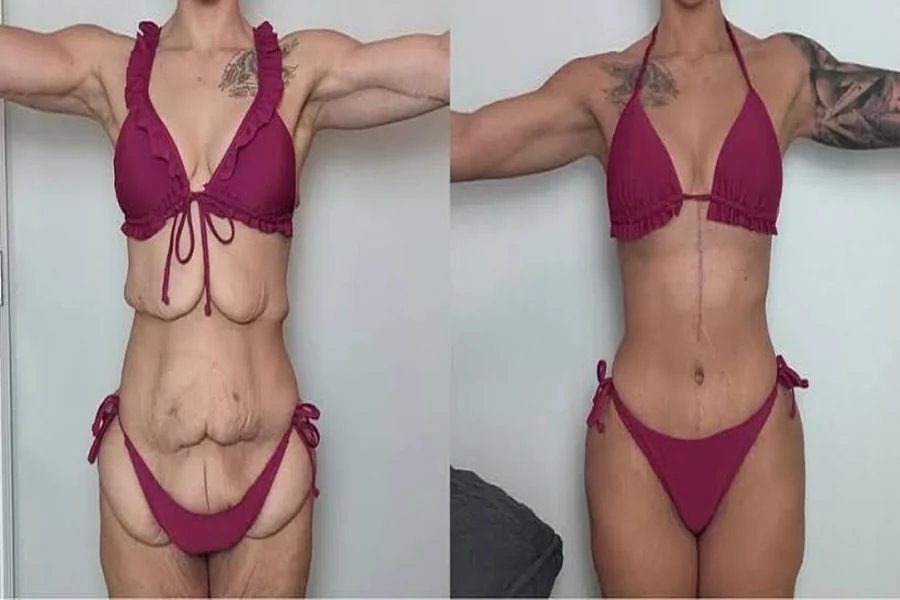
Here is a detail most package listings skip: you do not really choose your tummy tuck. Your tissue does. Where your loose skin sits, how much of it there is, whether your abdominal muscles have separated and whether you have lost a large amount of weight all point towards a particular version of the operation. Choosing the wrong one, or accepting a smaller operation to bring the price down, can leave you with a result that falls short.
If you are comparing tummy tuck Turkey options, understanding the different types first will help you judge whether a surgeon’s plan actually fits your body. This guide explains the main versions, what each can and cannot do, and how to prepare so your result lasts.
Start With What Your Abdomen Needs
A good consultation looks closely at four things:
1.Skin excess. Is the loose skin only below your belly button, across the whole abdomen, or extending around your sides and back?
2. Fat. Is there a layer that liposuction could refine, and where?
3. Muscle separation. Have the two vertical abdominal muscles drifted apart, which is common after pregnancy?
4. Your weight history. Moderate weight changes and massive weight loss leave very different patterns of skin.
The answers decide the incision, the scar and the recovery. That is why a quote issued from photographs alone can only ever be a starting point.
The Main Versions of the Operation
Mini abdominoplasty. A shorter incision treats loose skin below the belly button only. It suits a small area of excess with little or no muscle separation. It cannot tighten the upper abdomen, so choosing it when you need more can leave that area looking unchanged.
Full abdominoplasty. The standard operation uses a low incision running roughly from hip to hip. Skin and fat are removed from the lower abdomen, the upper skin is drawn down, the belly button is brought out through a new opening, and separated muscles are usually repaired with stitches.
Extended abdominoplasty. The incision continues further around your sides to treat excess skin over the hips and flanks, which is common after larger weight changes.
Fleur-de-lis abdominoplasty. A vertical incision is added to the horizontal one, so skin can be removed in both directions. It is typically used after massive weight loss, when there is significant horizontal as well as vertical excess. The trade-off is an additional vertical scar.
Circumferential procedures, sometimes called a belt lipectomy or lower body lift, treat skin all the way around the waist and are a larger operation again.
You may also hear about panniculectomy, which removes a hanging apron of skin and fat without the muscle repair or contouring of a tummy tuck. It is mainly a functional operation, often considered when excess skin causes rashes, hygiene problems or difficulty moving.
Muscle Separation: The Part You Cannot Diet Away
Pregnancy, and sometimes significant weight gain, can stretch the connective tissue between your abdominal muscles and leave a gap known as diastasis recti. It can create a rounded belly that persists even at a healthy weight.
Targeted physiotherapy can improve core strength and is worth trying, but it cannot remove stretched skin, and a wide separation often remains. During a full abdominoplasty, the surgeon can bring the muscles back together with stitches, tightening the abdominal wall from the inside.
Two practical points follow. First, ask your surgeon to assess and describe any separation before surgery, so you know whether repair is part of the plan. Second, a future pregnancy can stretch the repair again, which is why most surgeons suggest waiting until your family is complete.
Timing, Weight and Smoking
Three conditions protect your result more than any single technique.
A stable weight. Practice guidance from the American Society of Plastic Surgeons says body contouring is ideally performed after you have kept a stable weight for two to six months. After bariatric surgery, that point often arrives around 12 to 18 months after the operation. Operating earlier risks new loose skin as your weight keeps changing.
No nicotine. Smoking and nicotine reduce blood flow to healing skin. The lead author of a study of more than 25,000 abdominoplasties noted that board-certified plastic surgeons typically recommend strict smoking cessation for at least four weeks before and after surgery.
A realistic plan for the months ahead. You will need time off work, help at home and a period without heavy lifting. If those cannot be arranged yet, the best timing may be later.
Seroma, Drains and the Scar
A seroma is a pocket of fluid that can collect under the skin after a tummy tuck. It is one of the most common local problems after this operation and is usually managed by draining the fluid, sometimes more than once.
Surgeons use different strategies to prevent it. Many place drains. Others use progressive tension sutures, which stitch the skin flap down to the underlying tissue to close the space where fluid collects. A systematic review and meta-analysis published in Aesthetic Surgery Journal in 2024, covering 24 studies and 750 patients, found that progressive tension suturing reduced seroma and reoperation rates compared with drains, with no difference in haematoma or infection. Both approaches are legitimate, and your surgeon should explain which they use and why.
Your scar is permanent, so its position matters. Ask where it will sit in relation to your underwear or swimwear, how your belly button will be shaped, and to see healed results at a year or more. Scars typically take 12 to 18 months to mature, fading and flattening gradually over that time.
Before travelling, confirm who will manage a seroma or wound problem once you are home, since these can appear after the first week.
Questions That Match the Operation to You
1. Which type of abdominoplasty do you recommend for me, and why not the smaller or larger option?
2. Do I have muscle separation, and will you repair it?
3. Where exactly will my scar sit, and how long will it be?
4. Will you use drains, progressive tension sutures or both?
5. How is your blood clot prevention protocol adapted to my individual risk?
6. How long should I stay before flying, and who checks me before I leave?
7. Who will treat a seroma or wound problem after I return home?
A surgeon who explains why they rejected the alternatives is showing you the reasoning behind your plan.
Bringing It Together
Start with your anatomy, not the package. Ask for a proper assessment of your skin, fat and muscles, and make sure the recommended type matches what you see in the mirror. Then check the timing conditions: a stable weight, no nicotine, a completed family and enough time to recover.
When you compare tummy tuck Turkey offers with clinics closer to home, compare the same things everywhere: the type of operation proposed, the surgeon’s experience, the approach to seroma and blood clots, and the aftercare plan once you fly home. Turkey has many experienced plastic surgeons, and the right one for you is the one whose plan fits your body.
Medical disclaimer: This article is for general information only and is not a substitute for professional medical advice. Abdominoplasty is major surgery, and only a qualified plastic surgeon who has examined you can recommend the right procedure and timing for you.