Root Causes of Enamel Wear and Modern Clinical Interventions – Markham Smile Centre
Introduction
Every time you chew your teeth experience microscopic friction. This relentless mechanical assault, over decades, combined with dietary acids, involuntary nocturnal grinding, and subtle shifts in jaw alignment, gradually erodes enamel – the outermost protective shield of your dentition. Enamel contains no living cells . When enamel is worn away , the body can not grow any new enamel . It is vital to know the exact physiological triggers that cause enamel loss and how a modern dentist office Markham can help to prevent irreversible structural damage from affecting your bite.
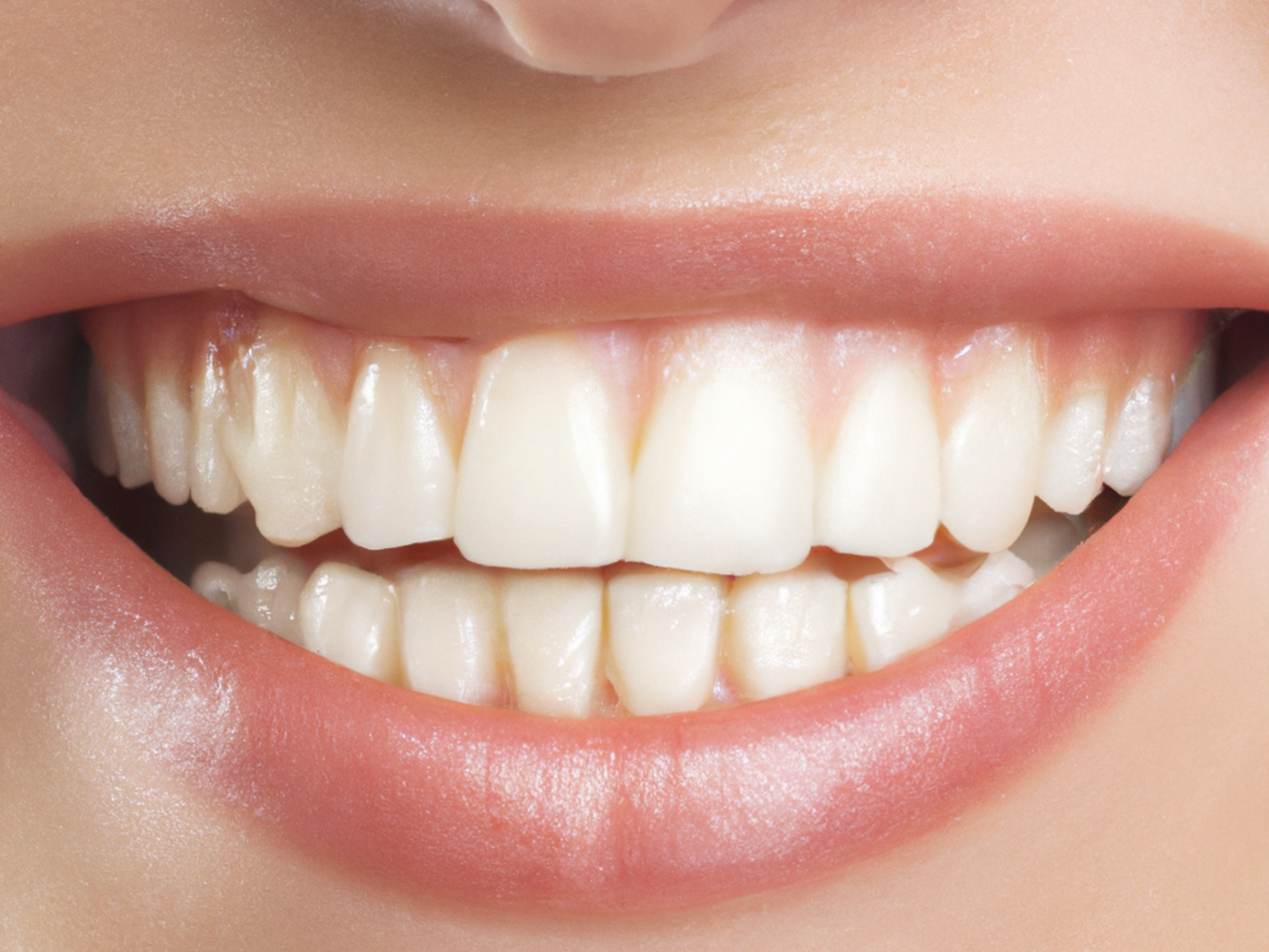
Enamel erosion is usually due to two different processes: chemical dissolution and mechanical attrition. Chemical erosion occurs when substances of low pH regularly enter the oral cavity. Carbonated drinks, citrus fruits, sparkling waters and even silent acid reflux all dissolve the mineral matrix that binds hydroxyapatite crystals together. Bruxism, the involuntary clenching or grinding of teeth during sleep, mechanically exerts hundreds of pounds of pressure per square inch. This extreme pressure causes micro fractures near the gum line, and flattens the natural cusps of molars exposing the softer yellow dentin underneath.
If the dentin is exposed, the nerve pathways inside will react quickly to temperature changes and sweet foods, often with sharp pain that can linger. Worn enamel is not just uncomfortable. It alters the vertical dimension of your lower face. The back teeth lose height and the jaw closes tighter than it should, putting unnatural strain on the temporomandibular joint, which leads to chronic facial fatigue, tension headaches and premature cracking of adjacent teeth.
The clinician has changed the way this loss is identified and measured with modern diagnostic technology. Digital intraoral scanners enable practitioners to generate three-dimensional topographic maps of your mouth during routine checkups. Mineral loss is calculated to the micron by software comparing scans taken months apart. This quantitative tracking can help to identify if destruction is caused by nite grinding, aggressive brushing or hidden dietary acids long before visible chips or deep yellow dentin are seen to the naked eye.
Treatment approaches are directed at the arrest of active etiology and the structural strengthening of remaining tooth tissue. For chemical erosion, custom fluoride trays and biomimetic hydroxyapatite pastes remineralize weakened outer layers, making them resistant to future acid exposures. Custom occlusal guards protect natural surfaces from destructive friction by evenly distributing biting forces across the entire arch during sleep when mechanical attrition is a major factor.
If structural damage has already progressed, conservative restorative dentistry restores original anatomy and bite height. Bonded composite resins can restore worn incisal edges without excessive drilling. In the case of large loss, ultra-thin ceramic overlays and crowns have the identical refractive index and hardness of natural enamel, and fully seal exposed dentin and restore proper alignment of the jaws.
You need to switch from reactive patching to proactive structural monitoring to protect your teeth. Advanced digital tracking and targeted clinical treatments help identify silent wear patterns early to preserve the natural strength and alignment of your mouth for life.
Conclusion
Ultimately, protecting enamel requires more than treating visible damage after it occurs. Because lost enamel cannot naturally regenerate, identifying the underlying causes of wear as early as possible is essential. Regular dental assessments, digital monitoring, preventive strategies, and personalized treatment can help address chemical erosion, bruxism, and other contributing factors before they lead to more significant structural problems.
With a proactive approach to oral care, patients can preserve more of their natural tooth structure, maintain a comfortable bite, and reduce the risk of sensitivity and further damage. Working closely with a dental professional allows preventive and restorative treatments to be tailored to individual needs, supporting stronger teeth and long-term oral health.