How to Grill Pollo Asado without Drying Out the Chicken
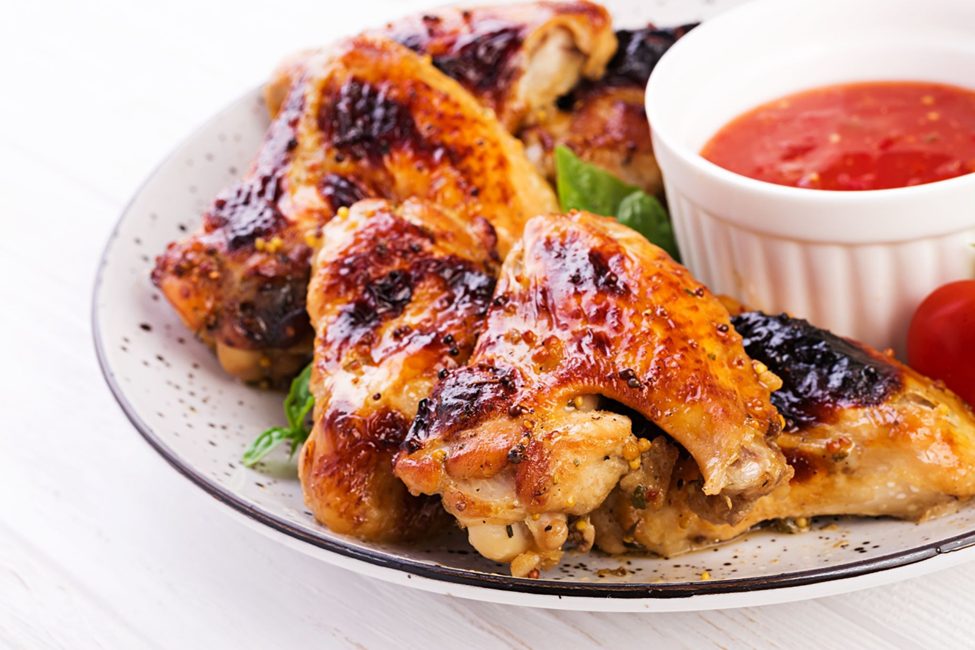
Pollo asado is all about juicy chicken, bold citrus flavor, and smoky, charred edges. But if the grill is too hot or the chicken stays on too long, it can quickly turn dry. The key is to build flavor with a well-balanced marinade, manage the grill temperature, and know when the chicken is done. These practical tips will help you grill pollo asado that’s tender, flavorful, and perfect for your next backyard cookout.
6 Essential Tips to Grill Pollo Asado
Use the Right Kind of Chicken
For pollo asado, thighs work perfectly; breasts could too, but breasts are a riskier choice because they have a narrower window between “cooked” and “dry”. If you use either option, try using pieces that are roughly equal in size. Thinner pieces will cook faster than larger ones. Cooking all pieces until the largest piece is done can lead to drier pieces.
Using similar-sized pieces doesn’t take all variables into consideration, but it does help make the whole grilling experience much easier to predict.
Allow Your Pollo Asado Marinade Sufficient Time
A lot of the characteristics of pollo asado come from the marinating process. Citrus, garlic, and spices can create bold flavors, but the marinating process requires enough time to allow these flavors to penetrate deep into the meat. However, if there is still excess liquid on the chicken when it goes onto the grill, this can hinder browning on the surface since moisture must evaporate before substantial color develops.
Before adding the chicken to the grill, allow enough time for the marinade to coat the chicken evenly and then allow excess marinade to drip off. What you’re after is flavored chicken with a coating on top, not chicken swimming in marinade.
Divide Grilling into Two Zoning Areas
One way to completely ruin pollo asado is to grill it at high heat from start-to-finish. While high heat works great for creating that beautiful, smoky char on the outside of your chicken, it is probably not ideal for slowly increasing the internal temperature of a thicker piece of chicken.
To achieve both ends of the spectrum, divide your grill space into two areas: a low-heat zone for more moderate or indirect grilling and a high-heat zone for direct grilling. This will enable you to adjust where your chicken pieces sit based upon what each one needs.
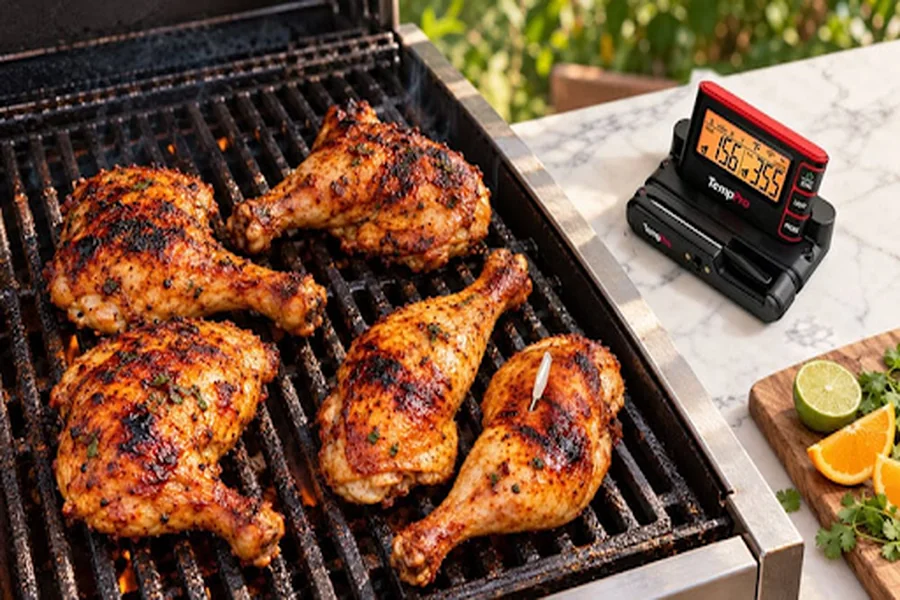
Pieces that already have considerable color development but still require finishing should be moved to cooler areas. Pieces nearing their target internal temperature without being sufficiently browned can be moved closer to the hottest area.
Avoid Opening the Grill Lid Too Much To Check On the Chicken
When cooking chicken, repeatedly lifting the lid of the grill adds yet another layer of uncertainty. With repeated openings, heat will escape, temperatures will vary and your cooking environment will become less consistent. Most people continue to check on their chicken because they really don’t know how much longer they need to cook it.
You open the lid, you poke a piece, you turn some pieces around and you cut others open, and then you put everything back together again. In ten minutes, you’ll likely repeat the entire process.
Rather than consistently interrupting your cooking environment to assess the state of your chicken, consider temperature readings to gauge how far along your chicken is. Monitoring your chicken becomes especially important for pollo asado since this enables you to manage the outer browning while independently assessing inner doneness.
Track Meat Doneness Without Standing by the Grill
Grilling pollo asado over high heat can be tricky: the outside may develop charred edges before the thickest part of the chicken is fully cooked. The TempSpike Pro TP980 Wireless Meat Thermometer helps you manage both doneness and grill heat with its up to 4 wireless probes, which each feature three internal temperature sensors and one ambient sensor. The multiple food sensors help identify cooler spots inside the chicken, while the ambient sensor tracks the temperature around the probe.
Connect the wireless meat thermometer to the TempPro app to monitor temperature changes remotely and receive alerts as the pollo asado approaches your target temperature. This lets you know when to move the pollo asado away from direct heat or take it off the grill, rather than relying on cooking time or cutting into the meat to check for doneness. Grill pollo asado to an internal temperature of 165°F for food safety while keeping a close eye on its progress toward juicy, flavorful results.
Apply Final Heating For Those Signature Smoky Edges
After you believe that your chicken has reached the correct internal temperature, move it over to high-heat in order to generate those signature smoky edge browning effects.
Now that you have monitored internal temperatures throughout the cooking cycle, you can now ignore simultaneous attempts to estimate whether the center has reached proper doneness. After removing the chicken from heat, allow it to rest for a few moments prior to slicing.
FAQs about Grilling Pollo Asado
Why does my pollo asado become dry?
Cooking chicken over intense direct heat for too long can remove moisture while you’re waiting for the exterior to develop additional color. Using separate direct and indirect heat zones provides greater control.
Should pollo asado be cooked entirely over direct heat?
Not necessarily. Controlled heat can be used to cook the chicken internally, while higher direct heat can be used strategically to develop additional browning and char.
Why use a wireless meat thermometer for pollo asado?
A wireless meat thermometer allows you to monitor temperature remotely, so you don’t have to repeatedly open the grill to check doneness.
How does the TempSpike Pro TP980 help when grilling several pieces of chicken?
The TempSpike Pro TP980 features up to 4 color-coded probes, making it easier to identify and monitor individual pieces that may be cooking at different rates.
Can the TempSpike Pro TP980 handle high-heat grilling?
Its ceramic probe handles are designed to withstand temperatures up to 1050°F, while the probes have an IP67 waterproof rating.
Final Thoughts
Pollo asado isn’t made by simply applying extreme heat and grilling until that distinctive pollo asado is formed on the exterior. The exterior creates that smoky flavor and color through different conditions than the interior does. Treating these as independent elements provides you greater options.
If you would like to produce good pollo asado, attempt using similarly sized pieces of chicken, give your marinades adequate time to soak into the chicken, divide your grill into heat zones for direct and indirect heating, and refrain from relying on either visual assessment or timing alone.
While using a smart wireless thermometer such as the TempPro TempSpike Pro eliminates many concerns about internal temperature readings, it is also capable of producing more data than periodic thermometer insertion. Multiple sensors, Wi-Fi and Bluetooth 5.2 connectivity, color-coded probes and custom alert notifications allow you to devote attention to generating that unique smoky exterior while continuing to question what’s going on beneath it.
Internal temperature determines when your chicken is cooked and your vision determines when you’ve generated sufficient color for your desired exterior.