Common Plumbing Issues That Can Affect Home Health and Safety
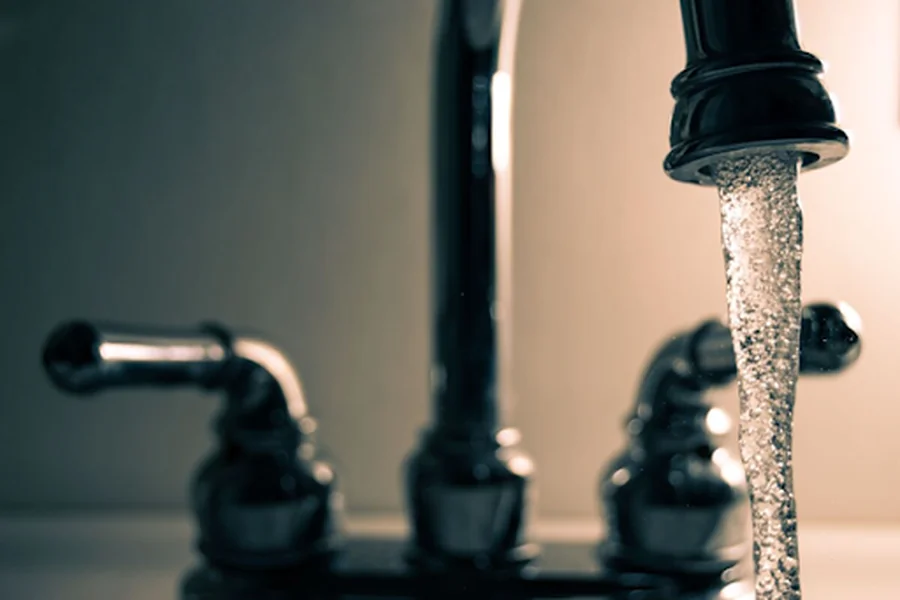
If we were to compare a house to a human body, the water pipes would definitely be its blood stream. While everything is running smoothly, we take them for granted, but when that system fails, the consequences are far more serious than aesthetic or financial. Bad installations can directly threaten the health and safety of your family.
That’s why it’s crucial to have a trusted professional you can rely on. Recently, a friend who sells real estate in California told us how an expert Plumber Coachella literally saved his house from a serious biohazard after a pipe in the wall burst without notice. This only confirms the golden rule: there is simply no joking around with water, and the master is not called until the water is knee-deep.
Let’s talk about the most common plumbing problems that people ignore that are actually silent threats to your health.
Hidden Leaks and the Scourge Called Mold
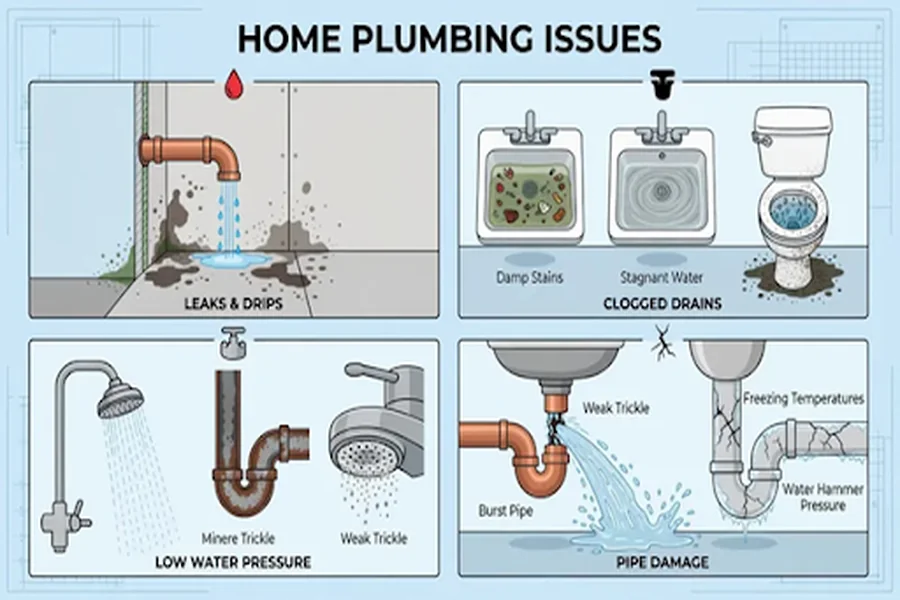
You might think that a dripping pipe under the sink is no problem at all. Put a bucket underneath, empty it once a week and the problem is “solved”, right? Wrong. Water has an incredible power to get into the pores of wood, plaster, and even concrete.
Where there is constant moisture, heat and darkness, the perfect habitat for black mold (Stachybotrys chartarum) is created. The spores of this mold are released and spread through the air in your home, entering directly into your lungs every time you breathe. People often drink anti-allergy medicine for months, even years, children have a chronic cough, and no one suspects that the real cause is actually an old leaking pipe behind the washing machine.
Symptoms of mold exposure include eye irritation, headaches, chronic fatigue, and even severe asthma attacks.
Old Pipes and the Danger of Water Contamination
If you live in a house built before the 1980s, your pipes may contain lead that can leach into your drinking water due to corrosion—which is extremely toxic, especially for children.
In addition to heavy metals, there are also invisible bacteria. A study showed that old pipes create ideal conditions for “biofilm”—a slimy protective layer resistant to chlorine from the water supply, in which dangerous pathogens multiply. These include Legionella (causing severe pneumonia) and Pseudomonas.
While taking a hot shower, you can easily inhale these microscopic threats through the steam. That’s why replacing old pipes is not just aesthetics, but an investment in health.
Sewer gases: The stench that literally kills
The smell of rotten eggs in a rarely used bathroom is not just an inconvenience that can be solved by an air freshener, but a sign of the presence of hydrogen sulfide—a dangerous sewer gas. Sewage releases a mixture of toxic and flammable gases (including methane and ammonia), which, if inhaled, cause nausea and headaches and, in higher concentrations, can be fatal.
The most common culprit for their entry into the house is a dry “U” siphon—a curved pipe under the sink where water must stand to act as a physical gas plug. If there is water in the siphon, and the smell is still there, the cause may be a cracked sewer pipe under the foundation, which requires an immediate response from an expert.
Water Heater as a “Time Bomb”
We all love a long, hot shower at the end of a busy day, but our water heaters can be pretty dangerous devices if not properly maintained. Each water heater has a TPR valve (pressure and temperature relief valve). Its only and most important job is to release water and steam to the outside if the pressure inside becomes too great.
If this little valve gets clogged from limescale (which happens all the time here, due to hard water), and the thermostat accidentally fails, the water inside continues to heat, boil and expand. The pressure increases to the point that the water heater can literally explode.
The explosion of an average water heater has the power of a smaller airplane bomb—it can collapse the load-bearing walls of the house, and there is no need to waste words on the danger of severe burns from boiling water.
How to Protect Yourself?
As you can see, the solution to all these potential disasters boils down to one single word: prevention. Don’t wait for the ceiling to fall on your head or for the whole family to get sick before calling a professional.
Regular annual inspections of the water network, checking the pressure in the pipes and occasional cleaning of the siphon are small things that can save your home. If you notice a drop in water pressure, a change in its color or smell, unusual noises from the walls (such as hissing or whistling) or moisture stains, act immediately.
Your home should be your safe haven and oasis of peace. Taking care of pipes and drains may not be the most glamorous job in the world, but it is definitely one of the most important.