
Why Choose A Construction Dumpster Rental For Your Job Site?
Construction projects generate waste at every stage. From removing old drywall and flooring to cutting lumber and replacing roofing materials, debris can accumulate quickly. As waste accumulates, it becomes harder to move materials, access work areas, and keep your crew productive.
Managing debris without a proper disposal plan can also cause delays. Your employees can waste time on transportation of trash, and scattered debris can become hazardous. Multiple visits to dumping places may introduce additional time and transportation expenses to your project.
A construction dumpster rental provides a central place to collect debris throughout the job. Having a suitable container on site allows you to organize waste, keep work areas safer, and simplify cleanup.
Here are five ways it can support a smoother construction project.
1. Keep Construction Sites Clean and Organized
A clean job site helps your crew complete tasks with fewer interruptions. A construction dumpster rental provides you with a specific location to accumulate items like wood scraps, drywall, packaging, and other acceptable building waste. Workers can dispose of waste in one designated location instead of allowing it to accumulate near workstations and walkways.
This strategy also enables you to handle waste during the project. As an example, when doing a kitchen renovation, your crew could place removed cabinets, flooring, and drywall in the dumpster instead of letting them build up within the property.
This helps keep work areas open and makes daily cleanup more manageable. A well-organized site is also useful in enabling workers to locate the tools and to transport the materials more effectively.
2. Improve Job Site Safety and Reduce Hazards

When construction debris is not properly cleaned up at a work site, it can pose a number of risks. Loose nails, broken tiles, sharp pieces of metal, and abandoned pieces of lumber can lead to cuts, trips, or other injuries. These risks are escalated when workers are required to move materials in busy areas.
A dumpster helps reduce these hazards by providing a designated disposal point. By having workers adhere to precise waste-handling instructions, they can also eliminate garbage from active work areas rather than letting it accumulate throughout the day.
Nevertheless, a dumpster is not enough to render a job site safe. Your crew must continue to use proper protective gear, isolate dangerous substances, and maintain walkways and emergency exits. Handling of heavy or sharp objects should also be done with caution to avoid injuries during loading.
Combined, these practices can assist in providing a safer workplace to workers, subcontractors, and other individuals who might visit the site.
3. Save Time on Construction Waste Disposal
Construction work often follows a tight schedule. However, taking repeated trips to disposal facilities can interrupt tasks and delay progress. These trips may also increase fuel, labor, and transportation costs.
A dumpster on-site allows your crew to dispose of approved debris as work continues. For example, roofers can place removed shingles directly into the container instead of hauling them away after each stage. This keeps the work area clear and reduces unnecessary interruptions.
To save time, schedule dumpster delivery before major work begins. Also, confirm the rental period and pickup arrangements in advance. This helps you manage waste without disrupting your project timeline.
4. Handle Different Types of Construction Debris
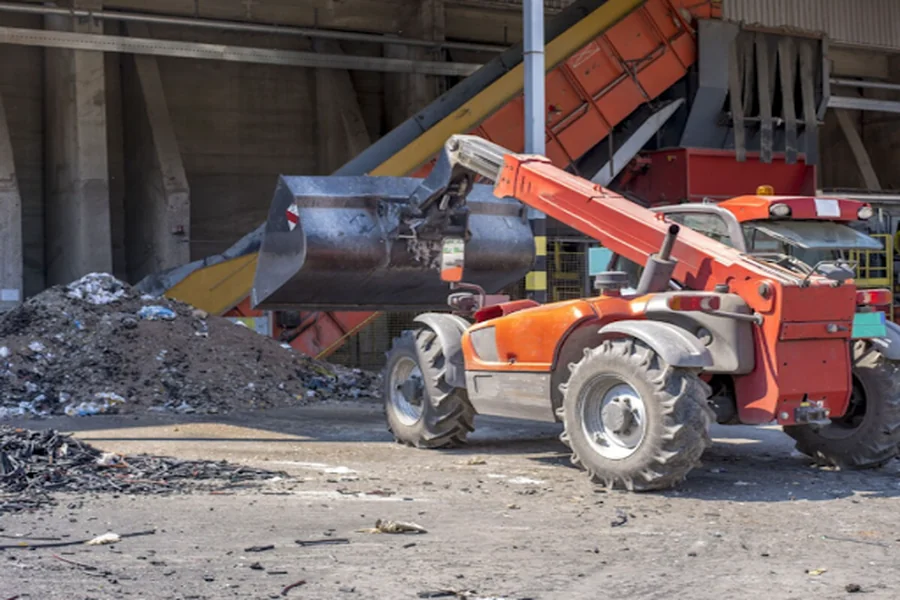
Construction projects produce different types of waste, including drywall, lumber, flooring, roofing shingles, and packaging. A suitable dumpster helps you collect permitted debris in one place and keep the job site organized.
However, check the rental provider’s accepted materials before loading the container. Items such as paint, chemicals, batteries, and asbestos may require special disposal. You should also consider weight limits when handling heavy materials like concrete, bricks, and soil.
Even a partially filled dumpster can exceed its weight allowance. Therefore, review the rental terms before starting work. If your project produces mixed debris, ask about suitable dumpster options and separate disposal requirements.
5. Simplify Waste Management for Projects of Different Sizes
Every construction project has different waste disposal needs. A small bathroom renovation may produce far less debris than a full home remodel or a commercial construction job. Selecting a dumpster based on the project’s expected waste volume helps you avoid paying for more capacity than you need or running out of space too early.
Start by estimating the amount and type of debris your project will generate. Consider the size of the structure, the materials being removed, and the length of the work. Then compare available dumpster capacities with those requirements.
You should also assess the job site’s access conditions. The delivery truck needs enough room to position the container, while workers need safe access for loading. Check driveway or ground conditions, overhead obstructions, and local placement rules before delivery.
Finally, confirm the rental period, weight allowance, pickup arrangements, and any additional fees. Planning these details helps you manage waste costs and maintain a practical cleanup schedule.
Conclusion
Construction waste management affects your job site’s organization, safety, schedule, and operating costs. Without a clear disposal plan, debris can interrupt work and create avoidable hazards. Renting a construction dumpster gives your crew a central place to collect approved waste while reducing the need for repeated disposal trips.
To get the most from your rental, estimate your debris volume, select a suitable container, and check material restrictions and weight limits. You should also arrange delivery and pickup around your construction schedule. With these details in place, you can maintain a cleaner work area and keep your team focused on completing the project efficiently.