Growing a Headwear Business With a Hat Embroidery Machine, Hat Press, and HTV
Custom hats serve many purposes, from team uniforms and company merchandise to gifts and everyday fashion. Customers have different preferences: some want stitched logos, while others choose colorful lettering or simple graphics. Offering several decoration methods can help a small business reach more buyers.
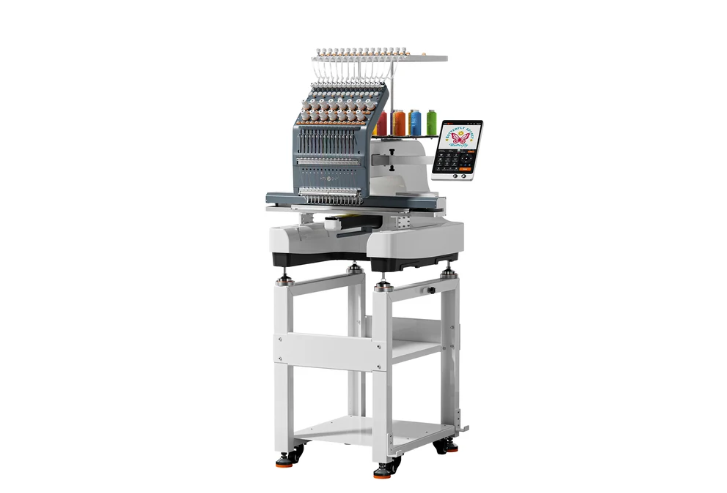
A Hat Embroidery Machine, Hat Press, and HTV make a practical combination for a small headwear studio. Embroidery adds thread-based detail, a hat press applies suitable transfers, and vinyl offers options for names and graphics. Choose the method that suits each design and cap.
1. Create Detailed Designs With a Hat Embroidery Machine
Embroidery gives caps a textured finish and works well for initials, team logos, business names, and simple symbols. A Hat Embroidery Machine lets a shop produce suitable orders in-house rather than outsourcing every project.
A local sports club might order caps for players and coaches. Producing the logo in-house makes it easier to check samples and plan the order. Before stitching, review the artwork, cap construction, and embroidery area. Simplify small lettering when needed, and test a sample before making the full quantity. It is also worth keeping notes about thread colors, design settings, and cap styles so that a repeat order can be recreated more easily.
2. Use a Hat Press for Curved Surfaces
Some customers prefer graphics that are better suited to heat application. A Hat Press accommodates the curved shape of headwear and is useful for applying compatible transfers to caps.
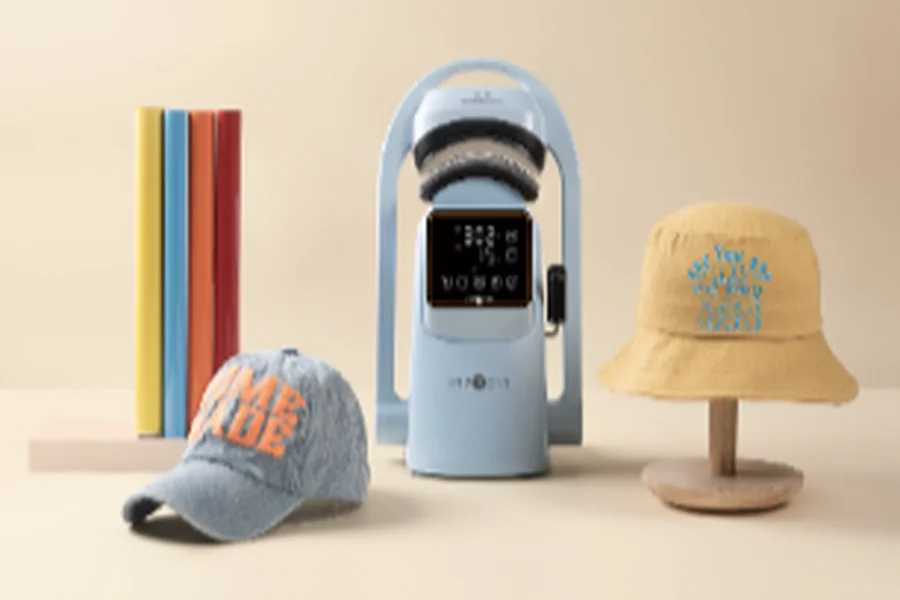
A clothing label, for example, may want its name across a cap. Check that the fabric and transfer are compatible, follow the manufacturers’ instructions, and test placement on a sample before starting a larger order. Curved seams and panels can affect where a design sits, so check the cap shape rather than relying only on the artwork preview.
3. Add Color and Lettering With HTV
Heat Transfer Vinyl (HTV) offers another way to personalize headwear. Available in different colors and finishes, it can be cut into names, numbers, shapes, and simple graphics. With a compatible Hat Press, it creates a different look from embroidery.
A shop might offer caps with initials, event names, or promotional messages. Match the vinyl to the cap material, check the supplier’s guidance for temperature, pressure, and application time, and test first. One setting will not suit every material. Store vinyl flat and keep colors identified, especially when several customer orders are being prepared at once.
4. Match the Decoration Method to Each Order
Having a Hat Embroidery Machine, Hat Press, and HTV in one workspace gives a business more choices, but not every design needs all three. A detailed club emblem may suit embroidery, while a simple name or graphic may work better as a heat-applied design.
A sports team, café, and event organizer may all request different products. Ask each customer about budget, cap style, quantity, and preferred finish. Then recommend a method that fits the request. Clear choices help set realistic expectations. If a customer is unsure, show two sample approaches and explain the differences in appearance and care. This makes the decision more straightforward.
5. Keep Production Organized
An organized workflow makes a small studio easier to manage. Confirm the cap style, color, artwork, quantity, and deadline. Get approval on a proof or sample, and label design files and customer instructions for repeat orders.
Separate unfinished orders from completed caps and inspect each item before packing. Check stitching and placement, or confirm that HTV has adhered properly. A brief quality check can prevent returns. It is useful to check the finished caps under good lighting and compare them with the approved sample before packing.
6. Choose Equipment Around Your Business Needs
Choose equipment based on the work you expect. Consider cap styles, typical order sizes, available materials, studio space, ease of use, and ongoing supply needs.
HTVRONT offers tools and materials for personalized products and apparel decoration. Visit the HTVRONT website to explore its current range. Compare options carefully; the right setup should suit your customers and budget. Starting with a manageable range can be wiser than buying every accessory at once. Add equipment when regular orders show a clear need.
7. Show Customers What You Can Make
Show customers what you can make. Create sample caps with embroidered logos, HTV lettering, and different colors. Photograph them for your website, social pages, or online store, and explain the available customization choices.
Schools, sports clubs, small brands, cafés, and event organizers may need custom headwear. Contact them with relevant examples, ask about their requirements, and explain which decoration method suits the project. Good communication and consistent quality can encourage repeat orders. Keep a record of popular styles and common requests; this can guide future samples and help you plan seasonal offers.
Final Thought
A headwear business grows by matching creative ideas with a reliable process. A Hat Embroidery Machine, Hat Press, and HTV offer different possibilities, from textured logos to personalized lettering and heat-applied graphics. Start with manageable orders, test materials, and listen to customers. Use what you learn to improve your workflow and plan future investments.