A Mexican Christmas tradition for every celebration, from posadas to Rosca de Reyes
A procession, a steaming cup of fruit punch, or a slice of sweet bread can introduce you to a Mexican Christmas tradition. The festive calendar stretches for almost a month, from the Virgin of Guadalupe’s feast on December 12 to Three Kings Day on January 6. For visitors, that means many ways to experience the season beyond Christmas Day itself.
One evening might bring neighborhood singing; another, a late family dinner. Thinking about Christmas travel through those moments helps you choose when to visit: the dates shape the experience as much as the destination does.
December 12 and the Virgin of Guadalupe
The feast of the Virgin of Guadalupe is a major Catholic observance and a cultural landmark in Mexico’s December calendar. Pilgrimages, songs, flowers, and gatherings honor the Virgin, whose image holds deep meaning for many communities. Preparations and celebrations can begin before the feast day, rather than fitting neatly into a single afternoon.
For travelers, the occasion offers a chance to observe an expression of devotion that is both personal and collective. Processions may pass through ordinary streets on their way to a church or shrine. Give participants room, follow instructions around worship spaces, and treat the gathering as a religious occasion rather than a performance.
Posadas from December 16 to 24
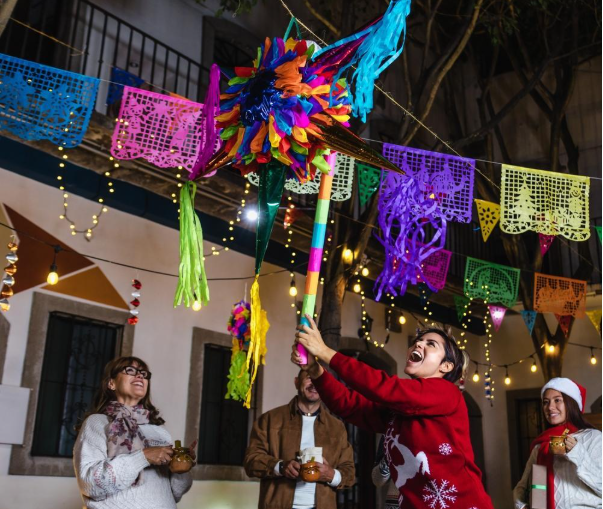
The word posada means lodging, and traditional posadas in Mexico recall Mary and Joseph’s search for shelter before the birth of Jesus. Participants sing a call-and-response exchange, with one group asking to enter and another responding from inside. When the welcome comes, the gathering moves into food, conversation, and celebration.
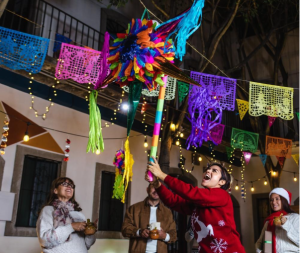
Piñatas, small bags of sweets known as aguinaldos, and seasonal snacks often follow. Hosts may serve tamales, buñuelos, or ponche, depending on the region and the household. Some gatherings retain a strong religious character; others combine the customary songs with a more informal neighborhood party.
Visitors can look for public invitations from cultural centers, community organizations, or parishes. Family and neighborhood celebrations may be private, so wait for an invitation rather than assuming a procession ends at an open event. If you are welcomed, ask your host how to join the singing and what happens next.
Nochebuena and the Christmas Eve table
Nochebuena, on December 24, is often the main family gathering of the season. Dinner can extend late into the evening, and some households attend a Christmas Eve service. The menu reflects family roots as much as geography: the same holiday can bring different dishes to neighboring tables.
- Romeritos: tender edible greens served in mole, commonly with potatoes, nopales, and shrimp patties. Despite the similar name, they are not rosemary.
- Bacalao: salt cod prepared in a tomato-based sauce, often with olives, capers, and pickled yellow chiles; recipes vary between families.
- Tamales: steamed parcels of corn dough with savory or sweet fillings, wrapped in corn husks or banana leaves according to the preparation.
- Ponche: hot fruit punch, often made with guava, tejocote, and sugarcane, with cinnamon and other ingredients lending their aroma.
A restaurant offering a seasonal dinner can introduce visitors to these flavors, while markets and bakeries reveal the preparations behind them. If a particular dish is on your list, ask about availability beforehand; a holiday specialty may need to be ordered in advance.
New Year’s Eve and Rosca de Reyes
December 31 brings another round of dinners and gatherings. One familiar custom is eating twelve grapes around midnight, with wishes or intentions for the coming year. Families add their own rituals, so the evening can be as much about playful anticipation as a formal countdown.
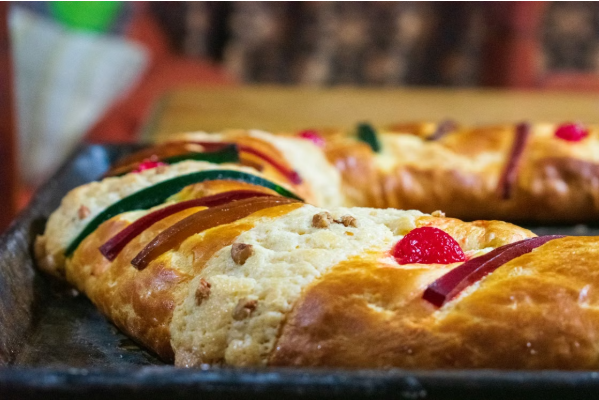
Three Kings Day in Mexico, on January 6, brings people together around Rosca de Reyes, a ring-shaped sweet bread decorated with fruit and sugary toppings. Small figures representing the baby Jesus are hidden inside. Finding one traditionally brings the responsibility of providing tamales for a gathering on February 2, Día de la Candelaria, linking the January celebration to another date.
How the season changes from city to city
Mexican Christmas traditions share recognizable dates and symbols, but local practices give each destination its own character.
Mexico City and the Guadalupe pilgrimage
The Basilica of Our Lady of Guadalupe, in the north of the capital, is a major pilgrimage destination around December 12. Groups arrive from across the country, making the surrounding area part of the experience. A visit during this period calls for patience with crowds and changes to street access, especially near the shrine.
Oaxaca and the Night of the Radishes
On December 23, Oaxaca’s Noche de Rábanos turns a humble vegetable into intricate scenes. Artisans and growers display carved radishes, with work in dried flowers and corn husks also associated with the celebration. The event is closely tied to the city’s public life, offering visitors an encounter with craft as well as the holiday calendar.
Mérida and the ramadas
In Mérida and elsewhere in Yucatán, the rama or ramada tradition brings children together to sing seasonal verses while carrying a decorated branch or small portable altar. The details vary, but the combination of song, handmade decoration, and neighborhood participation gives the custom its character. Look for local community announcements rather than expecting a single citywide parade.
Practical tips for joining the season
For a trip that spans several celebrations, plan Christmas travel early enough to coordinate flights, lodging, and any travel between cities. Choosing two or three meaningful dates can make a richer itinerary than trying to attend every event.
- Arrange the busy travel days: confirm intercity transportation and accommodation before building the rest of the schedule around them.
- Check holiday opening hours: restaurants, museums, shops, and attractions may close or shorten their hours on December 25 and January 1. Confirm directly with each place.
- Separate public events from private gatherings: an announced festival welcomes a different kind of participation than a celebration in someone’s home.
- Ask before taking close-up photos: this is especially considerate during worship, inside homes, and when children are involved.
Frequently asked questions
Why are poinsettias called nochebuenas in Mexico?
The plant shares its Spanish name with Christmas Eve because of its close association with the season. Its colorful bracts appear in decorations, markets, and homes throughout December.
What do the seven points of a traditional Christmas piñata mean?
In a widely recognized Catholic interpretation, the seven points represent the seven deadly sins. Piñatas also have a festive role, and their shapes and meanings vary.
What happens on December 28?
Día de los Santos Inocentes is associated with practical jokes in Mexico, somewhat like April Fools’ Day in the US. Participation varies, but the date can explain a playful story or prank during the holiday week.
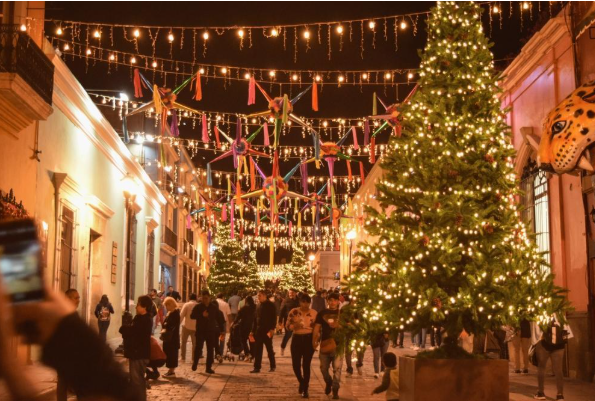
Experiencing a Mexican Christmas tradition begins with paying attention to the people who keep it alive. Whether you join a public festival, accept a family invitation, or share a bakery’s fresh rosca, the season offers a way to connect with Mexico through its food, creativity, and community.