A Practical Guide To Belt Conveyor Systems In Manufacturing

You might have the best equipment, the most talented staff, and a meticulously engineered production line, but the results do not always live up to expectations.
Rather, it is what happens between processes. As a result, material deliveries are delayed, operators lose valuable man-time performing manual movements, and brief stoppages create disruptions that cascade throughout the process. Consequently, what looks like a minor inefficiency often becomes a costly productivity challenge.
In this regard, belt conveyor systems provide a constant, controlled flow from one workstation to the next, further optimizing your workflow, reducing bottlenecks, and supporting automation. Moreover, when materials are transported to the right place at the right time, your production process becomes much simpler to manage.
This guide discusses the selection, application, and optimization of belt conveyor systems for enhanced efficiency, reliability, and long-term manufacturing process performance.
Step 1: Understand Conveyor System Types
You must know what type of conveyor is best suited for your operation before making your selection. After all, there is a variety of conveyors that are utilized depending on the product, the load, and the facility layout.
What to Evaluate
- Flat belt conveyors for lightweight to medium products that require smooth transport.
- Modular belt conveyors for heavier loads and applications that require flexibility.
- Incline or decline conveyors for moving materials between different elevations.
- Future production requirements that may require system expansion.
Practical Tip
When evaluating belt conveyor systems, create a simple layout of your production floor and map product movement. This helps you identify which conveyor type is most suitable for each stage of production.
Step 2: Plan Material Flow
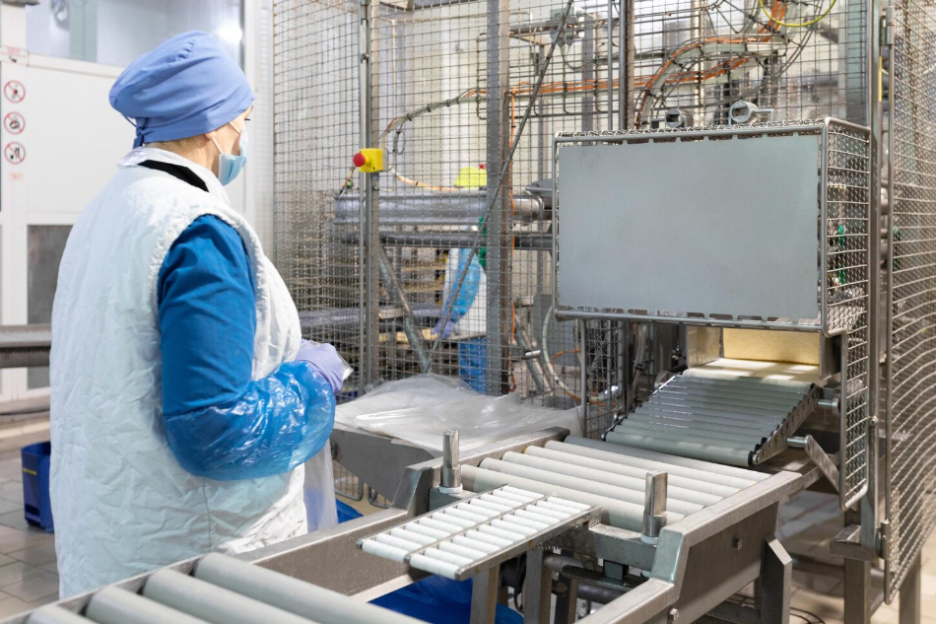
Once you've identified the right conveyor type, the next step is understanding how materials move through your facility. Poor material flow often creates bottlenecks that reduce productivity and increase labor requirements.
What to Evaluate
- Product movement from receiving through final packaging.
- Areas where delays frequently occur.
- Manual handling points that could be automated.
- Production stages require continuous flow.
Practical Tip
Prioritize the areas in your production where you will produce the most quality pieces first. In fact, optimization of material flows in critical sections often yields the fastest productivity gains and tangible operational improvements.
Step 3: Evaluate Industry Requirements
Manufacturing operations are unique to each environment. As a result, in electronics manufacturing, a conveyor system might need different features than an assembly line in the automobile or food industries.
What to Evaluate
- Precision handling demands in electronics manufacturing.
- Load capacity is needed for heavy manufacturing operations.
- Throughput requirements for logistics and packaging environments.
Practical Tip
Review all industry regulations before selecting a conveyor system. This is because conveyor material, design characteristics, and maintenance practices are often affected by compliance requirements.
Step 4: Design For Future Flexibility
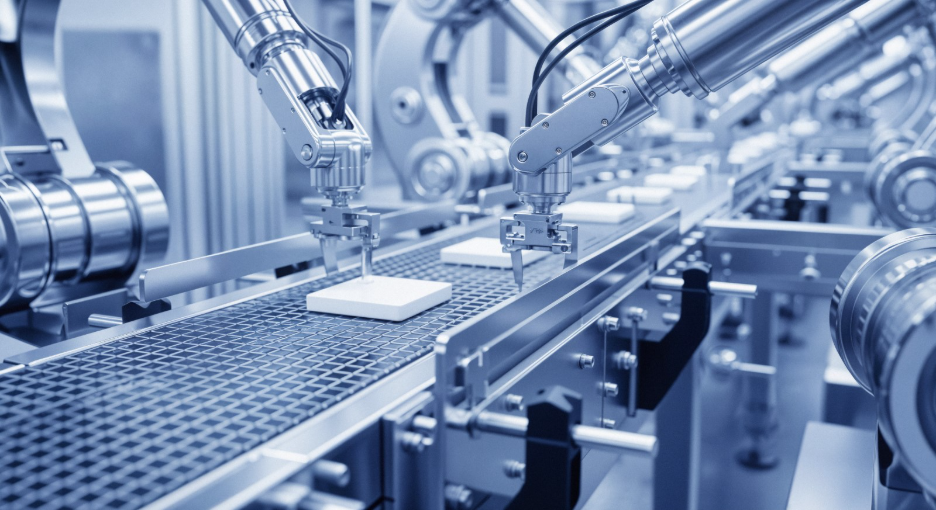
The requirements for producing things vary over time. As a result, changes in customer demand, new products, and automation upgrades can affect material flow through your facility.
What to Evaluate
- Modular designs for future expansion.
- Conveyor routing options for changing workflows.
- Integration capabilities for robotics and automation.
- Space for future improvements and maintenance access.
Practical Tip
Use a modular conveyor with maximum feasible frequency. This is because, when a component in a modular system requires repairs, replacement, or expansion, the specific component can be replaced, expanded, or repaired rather than the entire system.
Step 5: Support Cleanroom and Compliance Goals
For industries that require strict cleanliness standards, conveyor design plays an important role in maintaining product quality and regulatory compliance.
What to Evaluate
- Use protective materials on belts to prevent contamination.
- Smooth finishes for easy cleaning.
- Areas where dust or debris could accumulate.
- Industry-specific compliance standards.
Practical Tip
Develop a regular cleaning schedule and train employees on proper sanitation procedures. In doing so, regular cleaning is a step to continuous compliance and product quality.
Step 6: Build A Maintenance Strategy
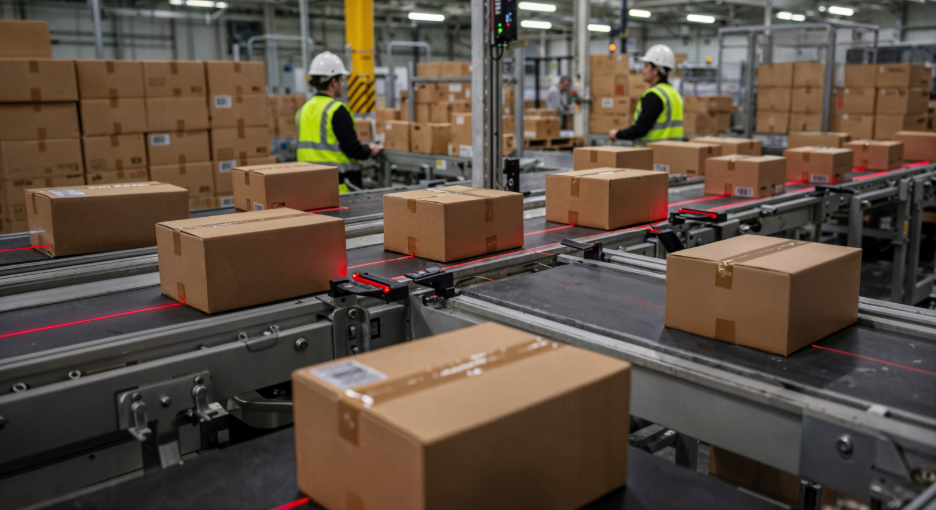
Reliable conveyor performance depends on preventive maintenance. Waiting until a failure occurs often leads to costly downtime and production disruptions.
What to Evaluate
- Belt wear and alignment.
- Drive motor performance.
- Roller condition and lubrication requirements.
- Availability of replacement parts.
Practical Tip
Create a preventive maintenance schedule based on operating hours rather than equipment failure. Regular inspections help identify minor issues before they become major problems.
Step 7: Improve Energy Efficiency
Energy costs can have a significant impact on manufacturing profitability. An efficient conveyor system helps reduce operating expenses without sacrificing productivity.
What to Evaluate
- Energy-efficient motors and drives.
- Variable speed control options.
- Load distribution across conveyor sections.
- Idle operating time and unnecessary runtime.
Practical Tip
Monitor energy usage regularly and adjust conveyor speeds to match actual production demand. Small adjustments can lead to meaningful cost savings over time.
Step 8: Implement And Test Performance
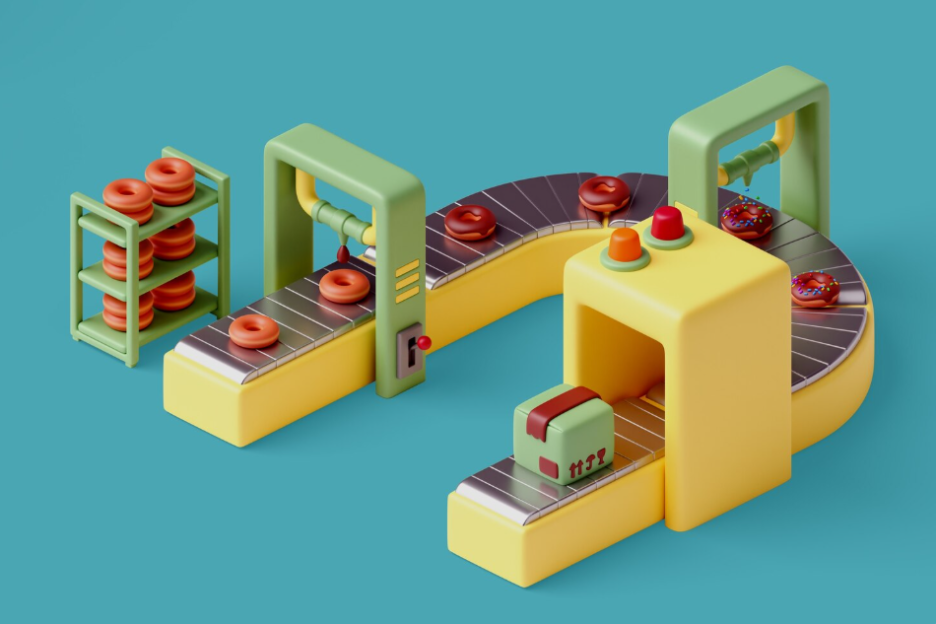
Before full deployment, it's important to verify that the conveyor system performs as expected under real operating conditions. Testing helps identify issues before they affect production.
What to Evaluate
- Product flow between workstations.
- Conveyor speed and timing accuracy.
- Belt tracking and tension settings.
- Integration with existing equipment.
Practical Tip
Start with a pilot installation whenever possible. Testing a smaller section allows you to adjust before expanding the system across the entire facility.
Conclusion
Belt conveyor systems play a critical role in modern manufacturing by improving material flow, reducing manual handling, and supporting operational efficiency. When properly selected and implemented, they help create a more predictable and productive production environment.
By following these eight steps of understanding conveyor types, planning material flow, evaluating industry requirements, designing for flexibility, maintaining compliance, building a maintenance strategy, improving energy efficiency, and testing performance, you can create a conveyor solution that supports both current operations and future growth.