Adult Acne Causes You Should Know For Clearer Skin

You know the importance of a solid skincare routine; you drink your water, and you are miles away from your teenage years — yet somehow your skin keeps breaking out.
If that sounds frustratingly familiar, you are suffering from a skin concern that is one of the most common yet goes unnoticed in adults.
Acne does not stop at adolescence. Yet, for millions, it creeps into their 20s, 30s, and even 40s and beyond, totally blindsiding them.
Because, with adult acne, it’s never really only one thing. It is often several overlapping triggers that have quietly been working under the skin. There are many factors: hormones, stress, diet, genetics, and even your must-have moisturizer.
Before you even reach for a treatment, the only thing more powerful than its effects is knowing exactly what is causing your breakouts.
Here is a rundown of everything you require to know about the most common cause of adult skin inflammation.
1. Excess Oil Production
One of the underlying causes of adult acne is excess sebum production—the natural oil that keeps your skin moisturized and acts as a protective barrier. During the overdrive, sebaceous glands produce excess oil that gets trapped in hair follicles, mixing with dead skin cells to form a plug that clogs the pore.
That jam-packed setting becomes an ideal environment for acne bacteria to thrive, replicate quickly, and send small signals (force triggers) that spark the inflammation, redness, and pain we recognize as a textbook breakout.
In adulthood, this usually has a lot less to do with puberty and more to do with changing hormones, stress responses, and, at times, dehydration. The skin responds to moisture loss by producing more oil, which is why stripping your skin with harsh cleansers almost always worsens acne rather than improving it.
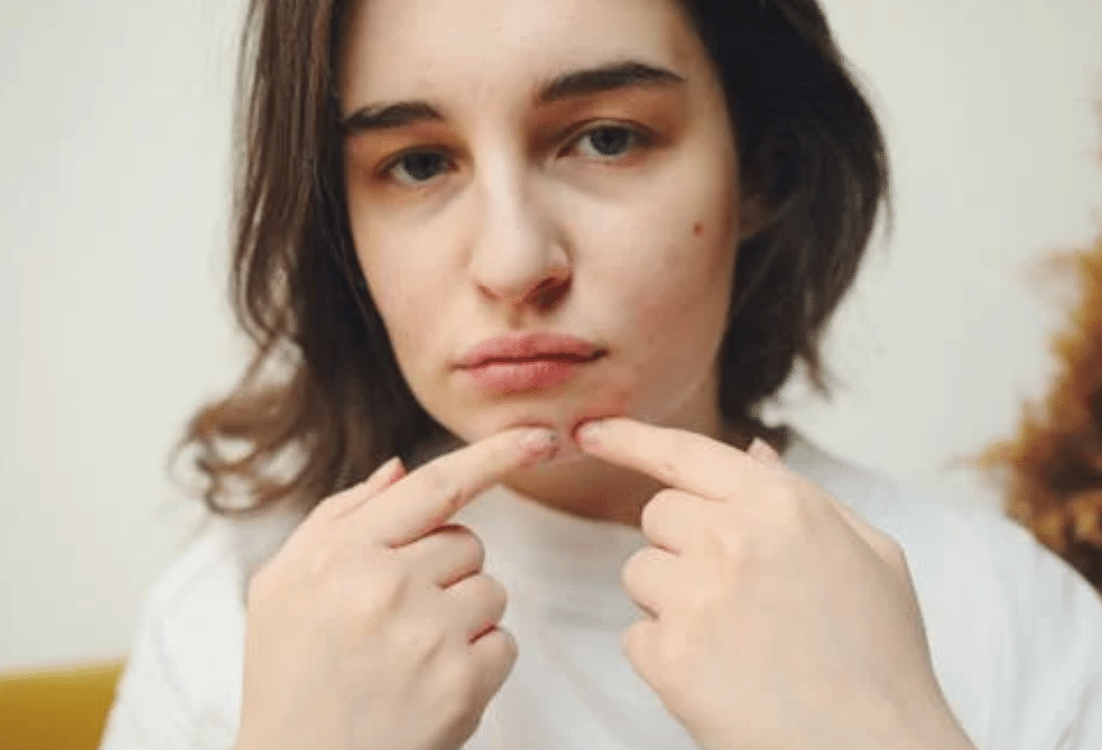
2. Hormonal Fluctuations
Hormones are one of the most significant and persistent drivers of adult acne.
Androgens, a group that includes testosterone, stimulate the sebaceous glands to produce more oil. While androgen levels are naturally higher during puberty, they continue to fluctuate throughout adulthood in response to menstruation, pregnancy, perimenopause, and conditions like polycystic ovarian syndrome.
Estrogen levels also shift during these phases, and the imbalance between estrogen and androgens is what commonly triggers the deep, painful breakouts that tend to cluster along the jawline, chin, and lower cheeks in adult women.
This is why understanding the causes of hormonal acne is essential for long-term skin management.
Hormonal adult acne is notoriously stubborn because topical treatments alone rarely address the root hormonal imbalance. This is why a dermatologist may recommend hormonal therapies such as oral contraceptives or spironolactone for women whose acne consistently flares in predictable hormonal cycles.

3. Chronic Stress
Stress affects not only your mood and sleep. It directly affects your skin, and this effect is well-documented. When you are under stress, your body secretes cortisol, a hormone that is set to help you deal with immediate threats.
Cortisol also triggers your oil glands to get to work, so more oil leads to more pore clogging and breakouts.
Chronic stress in adults, whether related to a demanding job, relationship pressure, financial worries, or bad sleep, often results in acne flares that seem entirely unconnected to their skincare routine because the trigger is completely internal.
In many cases, managing stress alongside a targeted treatment for hormonal acne can significantly improve skin outcomes.
4. Comedogenic Products
Adults are not immune to the occasional breakout, but one of the main culprits often goes unrecognized until the damage is done. Several beauty products are comedogenic, or likely to clog pores due to their formulation. Such items include various creams, lotions, and hair treatments containing oils, waxes, or silicones that sit on the skin barrier and obstruct oil drainage from the hair follicle.
This type of acne is known as cosmetic acne, or acne cosmetica, and presents as tiny, stubborn papules in areas where the substance is applied.
Skin Care Routine For Acne
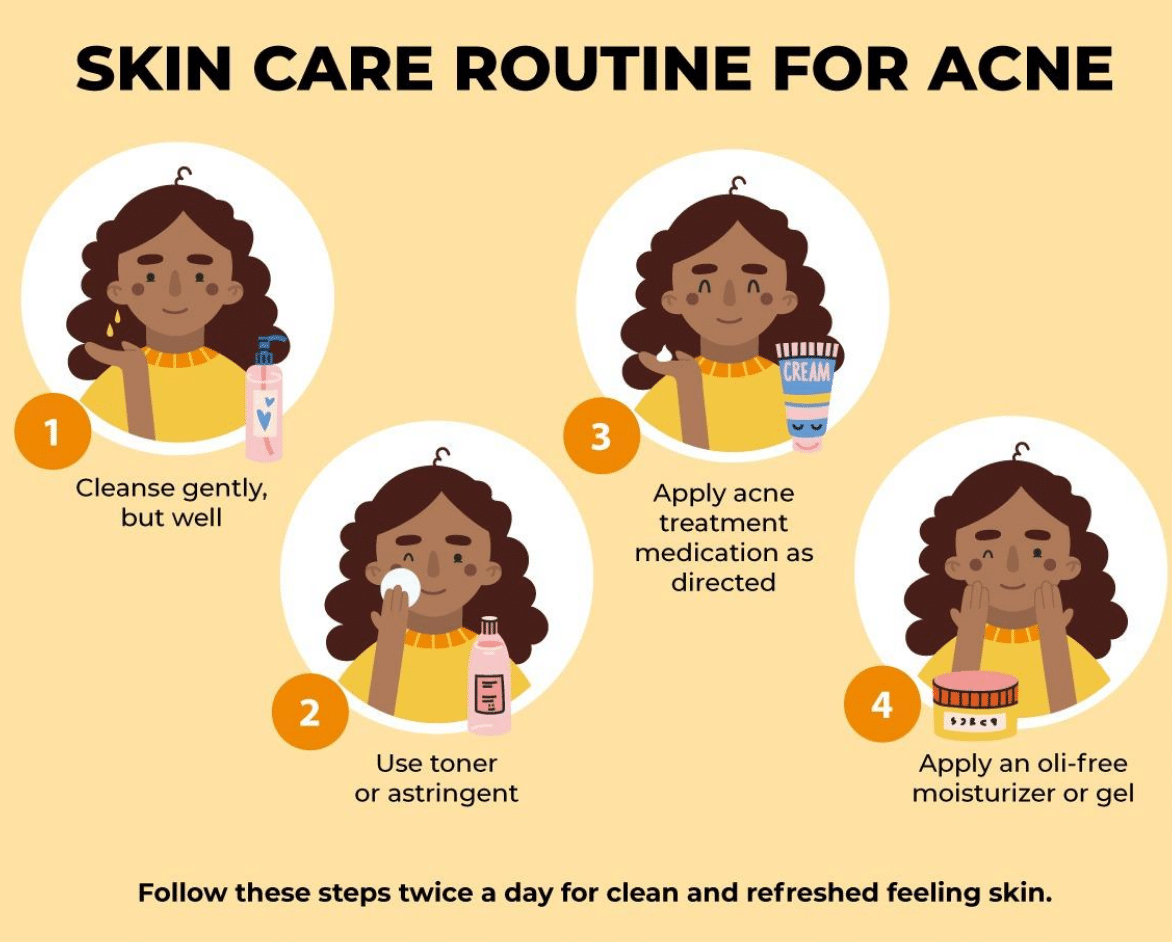
Establishing a consistent daily skincare routine is one of the most effective ways to manage and reduce acne. The following four-step routine, recommended for use twice a day, helps keep skin clean, balanced, and treated:
Step 1: Cleanse Gently, But Well
Begin by washing your face with a gentle cleanser to remove dirt, excess oil, and impurities without stripping the skin’s natural moisture barrier.
Step 2: Use Toner or Astringent
After cleansing, apply a toner or astringent with a cotton pad to help remove any remaining residue, tighten pores, and balance the skin’s pH.
Step 3: Apply Acne Treatment Medication as Directed
Apply your prescribed or over-the-counter acne treatment cream or gel to affected areas. Always follow the instructions provided by your dermatologist or on the product label.
Step 4: Apply an Oil-Free Moisturizer or Gel
Finish your routine with a lightweight, oil-free moisturizer or gel to keep skin hydrated without adding excess oil or clogging pores.
Wrapping Up
Adult acne is rarely the result of one single factor. Usually, it’s an interplay of various causes, including hormones, lifestyle, genetics, and even habits such as skincare choices that contribute to the condition.
However, there is something positive about this: each one of these causes can be changed to prevent adult acne from happening.
Knowing the triggers and causes that pertain to your situation allows you to switch from reactive and temporary solutions to addressing the problem itself. Regardless of whether your acne problems occur due to hormones or even the skincare products you use, pinpointing the exact cause will take you closer to getting rid of your skin problems once and for all.
Your skin does not have to remain the same forever; all you need to know is what is causing its current condition.