Campus Switches And Their Role In Digital Transformation
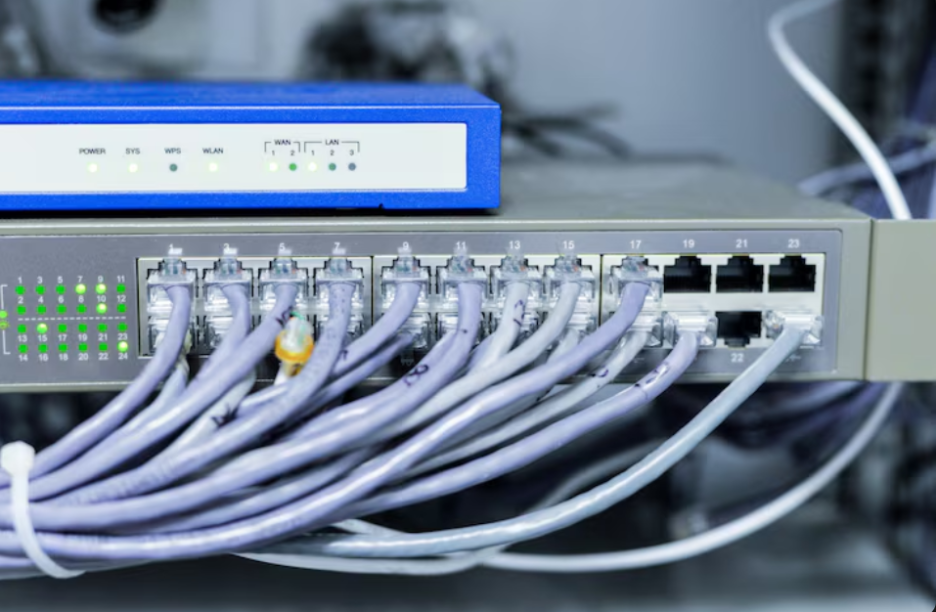
While digital transformation requires high-speed, reliable, secure network connectivity, many organizations still grapple with legacy networks that are unable to handle today’s modern applications, cloud services, and connected devices.
Low performance and scalability, and increasing security risks can lead to decreased productivity and user frustration between offices, campuses, and distributed locations.
With a growing number of employees, students, or smart devices depending on uninterrupted access, network performance is no longer a sideline or secondary business issue, but a primary concern.
It is here that campus switches are indispensable elements of a contemporary network. They offer the connectivity, control, and flexibility required to support digital initiatives and future infrastructure planning.
Let’s dive into the role campus switches play in digital transformation and why they should be thoughtfully planned as part of any network strategy.
1. Campus Switches are The Foundation of Modern Networks
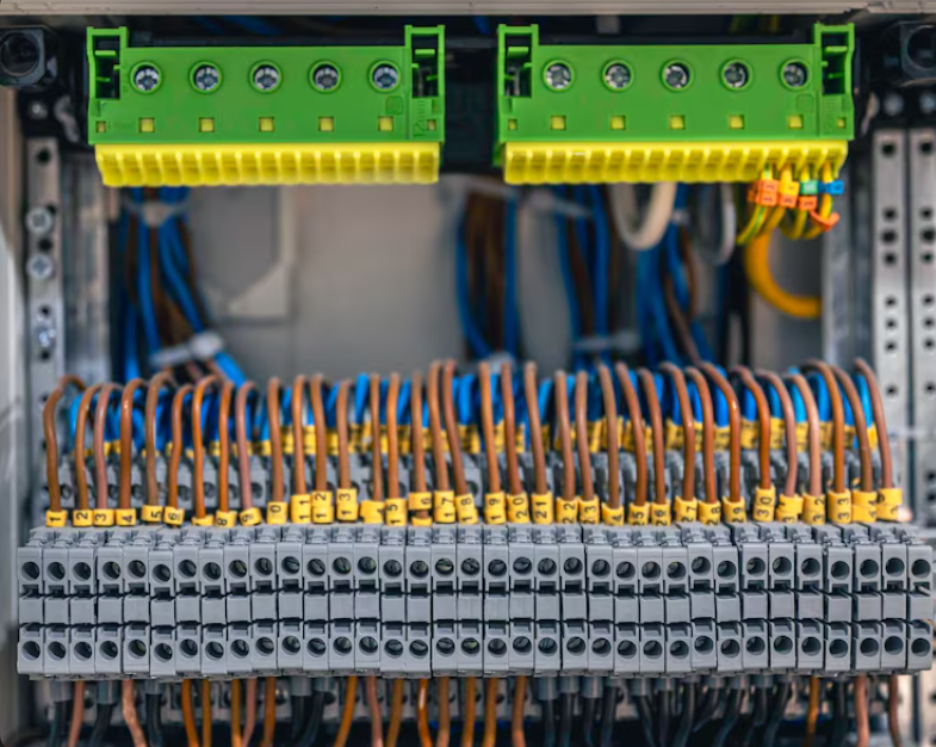
Reliable campus switches provide the building blocks to connect users, devices, wireless access points and business applications across a campus environment. They are efficient at transferring information while ensuring high performance, security, and network availability.
Modern solutions provide Layer 2 and Layer 3 functionality, Power over Ethernet (PoE), high-speed uplinks and flexible management options for expanding organizations. They also ease deployment and allow administrators to keep the network performing uniformly across various places.
Imagine a university that has thousands of students, or a company’s headquarters that has various departments. Switching infrastructure is the backbone of every video meeting, cloud application, printer, security camera, and wireless access point. Without reliable switching, digital transformation efforts quickly lose momentum.
2. Supporting Cloud, IoT, And Hybrid Work
Companies are continuing to migrate data to the cloud and increase their adoption of IoT devices. Meanwhile, hybrid working has raised the need for safe, continuous connectivity, anywhere, across the campus.
Campus switches contribute to these changes via:
- Delivering consistent bandwidth for cloud applications.
- Using PoE to power devices such as wireless access points, IP phones, and security cameras.
- Managing a growing number of connected endpoints.
- Faster uplinks to support the increasing traffic requirements.
A medical institution, for instance, could use the same network to link medical devices, surveillance systems, wireless devices, and patient management software in the cloud.
Each service is executed without any unnecessary bottlenecks thanks to a capable switching infrastructure. This versatility enables businesses to implement new technology without having to change the whole network.
3. Enhance Network Security End-to-End
Digital transformation brings increased opportunities for cyber threats. Each device that connects to the network can pose a security threat if network access is not managed.
Modern campus switches provide features that enhance network security by enabling:
- VLAN Segmentation
- Access control policies
- Secure authentication
- Traffic monitoring
- Selected platforms support MACsec
- Single management and visibility
Administrators can differentiate departments, restrict access and isolate sensitive systems, rather than giving unrestricted access to all devices.
Guest Wi-Fi users should not use financial databases or internal business applications, for instance. This is possible with proper network segmentation without impacting the experience of legitimate users. But, strong switching infrastructure should be used in parallel with firewalls, identity management and endpoint security to provide multiple layers of protection.
4. Enabling Better Performance And Scalability
Transformation into digital is not a one-size-fits-all process. New people, applications, devices, and places are added to organizations over time. Growth in your network shouldn’t cause performance problems.
Campus switches help by supporting:
- High-density port options
- Multi-gigabit connectivity
- High-speed fiber uplinks
- Redundant power options
- Flexible expansion for future growth
Suppose that an office doubles its employees every three years. Other workstations, wireless access points, collaboration systems, and smart building systems place a significant demand on the network.
Scalability switching will enable you to add capacity without reworking your infrastructure. This safeguards your investment and helps promote long-term business development.
5. Simplifying Network Management
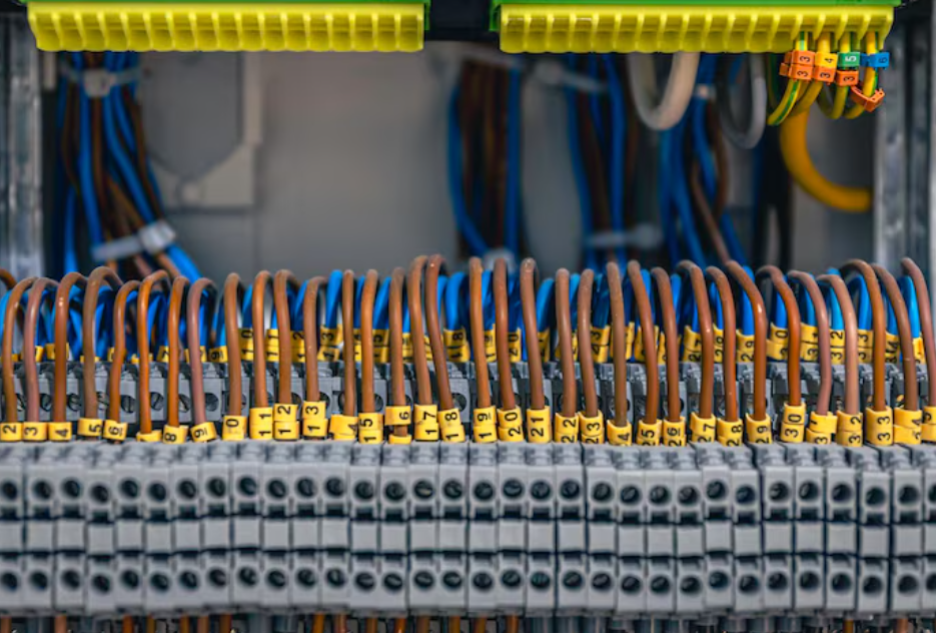
Managing hundreds or even thousands of network connections manually becomes increasingly difficult as organizations grow. Modern campus switching solutions simplify operations through centralized management, monitoring, and configuration tools.
This provides several practical advantages:
- Faster deployment of new devices
- Easier firmware updates
- Better network visibility
- Quicker troubleshooting
- Consistent policy enforcement across locations
When an issue occurs, administrators can often identify the source much faster than with older infrastructure. Reduced management complexity also lowers operational costs because IT teams spend less time handling repetitive network tasks and more time supporting strategic projects.
6. Preparing Your Organization For Future Innovation
Digital transformation is an ongoing process rather than a one-time upgrade. Artificial intelligence, edge computing, automation, smart buildings, and advanced collaboration tools will continue increasing network requirements. Your switching infrastructure should be ready for these future demands.
When evaluating campus switches, consider factors such as:
- Current and future bandwidth requirements
- PoE capacity
- Network security features
- Redundancy and high availability
- Compatibility with your existing infrastructure
- Ease of management and future expansion
Choosing scalable hardware today reduces expensive upgrades later while helping your organization respond quickly to changing technology needs. Instead of constantly replacing equipment, you build a flexible network that evolves alongside your business goals.
Final Thoughts
Digital transformation depends on far more than cloud software or new business applications. It starts with a reliable network that connects people, devices, and data without interruption.
Campus switches play a central role by improving connectivity, strengthening security, supporting scalability, and simplifying network management. As your organization grows, the right switching infrastructure helps maintain performance while adapting to changing technology demands.
Review your current network carefully, identify future requirements, and choose switching solutions that provide the flexibility, reliability, and long-term value needed to support your digital transformation journey with confidence.