Lisbon Beyond the Landmarks: A Slow Travel Guide to Portugal’s Colorful Capital
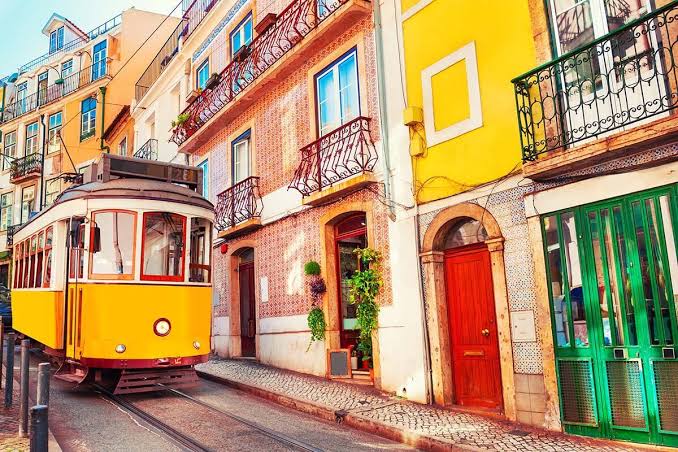
Lisbon has a way of making ordinary moments feel like part of the journey. Yellow trams climb steep streets, tiled buildings catch the afternoon light, small cafés open onto busy squares, and the River Tagus creates a constant sense of space around the historic center. While the Portuguese capital has plenty of famous attractions, its real character often appears when travelers slow down and explore one neighborhood at a time.
For visitors moving between Lisbon’s hills, viewpoints, historic streets, and riverside districts, having access to maps, public transportation information, restaurant recommendations, and local travel updates can be extremely useful. Travelers planning their mobile connectivity may consider an eSIM and explore options from providers such as Holafly before setting out to discover the city.
Begin in Alfama
Alfama is one of Lisbon’s most atmospheric districts, with narrow lanes, stairways, small squares, traditional buildings, and viewpoints overlooking the Tagus. The neighborhood’s unusual street pattern gives it a character that feels very different from the more orderly streets of central Baixa.
The best way to experience Alfama is on foot. Instead of following a strict route, travelers can wander through the smaller streets and gradually make their way uphill toward São Jorge Castle.
Several viewpoints offer impressive views across the rooftops and river. The area is also strongly associated with fado, Portugal’s traditional music, making evening exploration particularly atmospheric.
Discover Baixa on Foot
Baixa provides a completely different experience. The central district is characterized by broad streets and an organized grid that contrasts sharply with Alfama’s winding lanes.
Praça do Comércio is one of the city’s most recognizable public spaces and opens toward the Tagus. From here, travelers can continue through the central streets toward Rossio and other important squares.
The area is well suited to walking, shopping, stopping at cafés, and observing the movement of everyday city life. It can also serve as a convenient starting point for exploring several central neighborhoods.
Spend an Afternoon in Belém
Belém is ideal for travelers interested in history, architecture, and Lisbon’s connection with Portugal’s maritime past. The district sits beside the river and contains several major landmarks.
The Jerónimos Monastery and Belém Tower are among the area’s most important attractions, while the surrounding waterfront provides space for a relaxed walk. Both monuments are recognized as World Heritage sites.
No visit to Belém would feel complete without trying a traditional pastel de nata. The famous Portuguese custard tart is closely associated with the district and makes an easy addition to a sightseeing afternoon.
Watch the City From Above
Lisbon’s hills create natural viewpoints throughout the city. Travelers do not always need to visit a major attraction to find a memorable panorama.
Miradouros around Alfama, Graça, and other elevated neighborhoods offer opportunities to see the city’s rooftops, churches, river, and surrounding hills.
Sunset is particularly popular, but early morning can be equally rewarding for travelers who prefer quieter surroundings. The changing light also makes the city’s colorful architecture appear different throughout the day.
Ride the Historic Tram
Lisbon’s traditional trams are part of the city’s identity and remain one of the most recognizable ways to experience its steep streets.
A tram ride can be useful when navigating some of the city’s hills, but travelers should also consider exploring the surrounding streets once they reach a particular neighborhood.
The journey itself can be more memorable when treated as part of the sightseeing experience rather than simply as transportation from one attraction to another.
Explore Chiado and Bairro Alto
Chiado combines historic architecture with cafés, bookstores, shops, theaters, and restaurants. It is a good place to experience Lisbon’s more urban and cultural side.
As evening approaches, travelers can continue toward Bairro Alto, where narrow streets become busier with restaurants and nightlife. The atmosphere changes significantly after dark, making the area worth experiencing at different times.
For those who prefer a quieter evening, nearby streets and terraces provide opportunities to enjoy Portuguese food and drinks without spending the entire night in crowded venues.
Try Lisbon Through Its Food
Food is one of the easiest ways to connect with Lisbon’s culture. Traditional restaurants, bakeries, markets, and neighborhood cafés offer plenty of opportunities to try Portuguese flavors.
Pastéis de nata are an obvious choice, but travelers should also look for dishes featuring fresh seafood, grilled fish, cod, soups, cheeses, and regional ingredients.
Instead of choosing restaurants solely because they appear in tourist guides, visitors can explore residential neighborhoods and observe where local residents eat. A simple meal in a small neighborhood restaurant can sometimes become one of the most memorable parts of a trip.
Walk Along the Tagus
The Tagus waterfront provides a break from Lisbon’s steep streets. Travelers can walk beside the river, sit near the water, or simply enjoy the views across the wide estuary.
The waterfront becomes especially attractive in the late afternoon when the sunlight begins to soften.
Walking from one riverside area to another also reveals how different sections of Lisbon have developed. Historic districts sit alongside modern public spaces, restaurants, cultural venues, and recreational areas.
Take a Day Trip to Sintra
Travelers staying in Lisbon for several days can consider taking a day trip to Sintra. Located around 25 kilometers from Lisbon, the town is known for its palaces, wooded hills, gardens, and romantic atmosphere.
Sintra feels very different from the Portuguese capital. Its cooler, greener landscape provides a welcome contrast to Lisbon’s dense urban environment.
Because there are several major attractions around Sintra, travelers should avoid trying to see everything in one day. Choosing a few locations and allowing enough time to enjoy them is generally more rewarding than rushing between sites.
Leave Time for the Unexpected
Lisbon is a city where wandering without a strict plan can be surprisingly rewarding. A small ceramic shop, a quiet courtyard, a neighborhood bakery, or an unexpected viewpoint may become more memorable than an attraction that was carefully scheduled.
The city is compact enough to make spontaneous exploration practical, although its hills and cobbled streets mean that comfortable footwear is essential.
Travelers should also remember that Lisbon is a living city rather than simply a tourist destination. Respecting residential areas, avoiding unnecessary noise, and being considerate when photographing people helps preserve the atmosphere that makes the historic neighborhoods special.
For travelers who enjoy entertainment and celebrity content during their downtime, a quiet café or hotel break can also be a chance to browse celebrity stories and research topics such as Networth Of Star before heading back out into the city.
Experience Lisbon at a Slower Pace
Lisbon is not a destination that needs to be conquered in a single weekend. Its different neighborhoods, viewpoints, food traditions, historic buildings, and riverside areas each offer a different perspective.
The most enjoyable trips often combine a few major landmarks with plenty of unplanned walking. Spend the morning exploring Alfama, enjoy lunch in a local neighborhood, watch the sunset from a viewpoint, and finish the evening listening to music or enjoying Portuguese cuisine.
That balance between famous attractions and everyday experiences is what makes Lisbon so appealing. Rather than simply photographing the city, travelers can take time to understand its rhythm, explore its streets, and experience the small details that give Portugal’s capital its distinctive personality.