
Corporate Events in Boston: Unleashing Team Potential with Fun Challenges
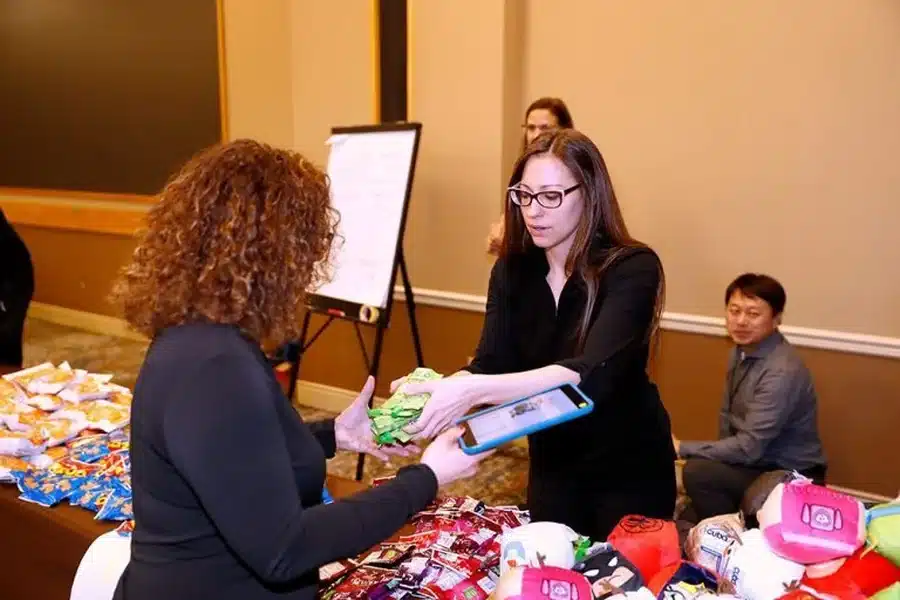
Corporate events play a significant role in enhancing team cohesion and productivity. By incorporating engaging team-building activities, businesses can effectively dismantle communication barriers.
Engaging in fun challenges enables shared experiences, which, in turn, foster trust and camaraderie among team members, ultimately leading to heightened creativity and collaboration.
Companies that invest in team-building initiatives often notice measurable gains in productivity and employee engagement levels.
With its variety of venues, Boston serves as an excellent location for corporate retreats, providing environments that stimulate creativity and memorable team experiences.
Year-round activities, such as summer kayaking and winter-themed indoor quests, continually keep teams engaged in Boston.
To accurately assess the success of team-building events, it’s essential to analyze productivity metrics and employee satisfaction levels.
Customizing events to align with specific team goals can ensure relevance, boosting engagement and maximizing value for participants.
The Power of Team-Building Activities in Corporate Events
How Fun Challenges Foster Collaboration and Innovation
Corporate events frequently act as catalysts for team cohesion and overall productivity. When organizations commit to team-building activities, the benefits can be substantial. Fun challenges don’t merely serve as entertainment; they can truly redefine team dynamics, breaking down barriers that often hinder communication. These activities encourage employees to step outside their comfort zones, prompting collaboration in ways that typically don’t occur in standard office settings.
The essence of such challenges is their capacity to generate shared experiences. When team members tackle puzzles or engage in physical activities together, they cultivate trust and camaraderie. A shared chuckle over a missed challenge can deepen relationships, creating an atmosphere ripe for innovation. Successful collaboration stems from understanding and recognizing each other’s strengths, which often flashes into focus during these team excursions.
Numerous studies indicate that organizations embracing engaging experiences often report increased creativity and improved problem-solving skills. This serves as a compelling reminder that investing in the human elements of an organization can significantly enhance functional teamwork.
“A cohesive team isn’t just more productive; it’s also more innovative.”
Real-World Success Stories from Corporate Clients
Take, for instance, a mid-sized marketing firm that organized a corporate retreat not too long ago. They chose a variety of hands-on challenges at Boda Borg Boston, yielding results that exceeded expectations. Within weeks, productivity metrics showed a striking increase. Employees described feeling revitalized, with creativity flowing as it hadn’t before. This isn’t merely anecdotal; data analytics supported these claims, revealing significant spikes in collaborative projects and initiatives following the event.
In a similar vein, tech giant Tesla introduced team-building challenges for its engineers, leading to a smoother workflow and notably faster project turnaround times. Such instances aren’t isolated; they’re proof of the dynamic potential that resides within these fun, interactive environments.
- Enhancing Communication: Teams learn to communicate more effectively under pressure.
- Building Trust: Shared successes cultivate deeper bonds.
- Increasing Engagement: Employees feel more committed to a company that invests in their well-being.
Why Boston is the Ultimate Destination for Team Retreats
Exploring Unique Venues for Unforgettable Experiences
Steeped in both history and innovation, Boston presents a wealth of options for corporate events that transcend the ordinary. With a range of unique venues, businesses can select spaces that not only align with their budgets but also inspire creativity. It’s truly an environment conducive to team-building activities that create lasting impressions.
Whether choosing historic venues or modern conference centers, Boston offers spaces catering to diverse team preferences. For those seeking a more vibrant atmosphere, venues such as Boda Borg Boston provide immersive challenge experiences that blend physical and intellectual teamwork. These settings, far from traditional boardrooms, add excitement to corporate events, significantly boosting participant engagement.
Notable venues include:
- Harvard Hall: A distinguished location for dynamic workshops.
- Boda Borg Boston: The premier venue for quest-based challenges that promote joy and teamwork.
- The Innovation and Design Building: A contemporary hub designed with creativity in mind.
The selection of an appropriate venue can significantly influence the event’s atmosphere. The right environment should energize and inspire, creating a space where teams can freely brainstorm, collaborate, and innovate.
Seasonal Activities That Keep Teams Engaged Year-Round
Boston’s shifting seasons bring a variety of activities that can enliven corporate events. Kayaking along the Charles River in summer, for instance, offers a thrilling outdoor adventure conducive to teamwork. During winter, snow sports or indoor quests at locations like Boda Borg ensure that team spirits remain high despite the chill. Regardless of the season, Boston presents options that allow teams to stay engaged and motivated.
- Spring: Outdoor scavenger hunts unite teams while exploring the city’s rich history.
- Summer: Team-building retreats at coastal locations encourage relaxation and bonding.
- Fall: Apple picking and cider tasting facilitate informal yet enjoyable interactions.
- Winter: Indoor pursuits, such as escape rooms, foster camaraderie while keeping warmth in mind.
The transition between seasons enhances the experience, reminding participants of the joy that comes with variety—akin to both life and work. Teams that embrace these seasonal activities often witness an uptick in morale and renewed focus in their professional endeavors.
Powerful Quests: Blending Fun with Professional Growth
Engaging Mind and Body: The Science Behind Enjoyable Challenges
Corporate retreats focused on fun challenges engage not just the mind but also the body in ways that traditional training methods often fall short. It transcends mere obstacle-clearing; it actively stimulates various cognitive functions. Challenges like problem-solving scenarios tap into critical thinking, while physical quests help cultivate resilience.
The underlying science is compelling. Engaging in enjoyable challenges stimulates the release of dopamine, a neurotransmitter associated with pleasure and reward. This biochemical response strengthens positive behaviors, making team members more inclined to engage and collaborate effectively. When a team successfully overcomes a challenge—no matter how minor—they collectively experience a robust sense of achievement.
In practice, this might encompass:
- Outdoor Escape Rooms: Fostering teamwork outdoors while enhancing communication.
- Trivia Challenges: Bolstering cognitive abilities while inciting healthy competition.
- Physical Obstacle Courses: Testing agility while building strong bonds.
These multifaceted experiences explore various facets of team dynamics, encouraging potential leaders to emerge while reinforcing existing relationships.
Measurable Outcomes: How to Gauge Success After the Event
To measure the impact of team-building activities, organizations should look beyond simple feedback forms. Truly assessing success means monitoring specific metrics tied to collaboration, productivity, and morale. Research demonstrates that companies evaluating their team-building outcomes typically enjoy a higher return on investment.
Adopting diverse assessment strategies can illuminate how effective a corporate event proved to be. Organizations might track:
- Post-Event Surveys: Collecting detailed feedback on participants’ experiences.
- Productivity Metrics: Analyzing key performance indicators both before and after the events.
- Employee Retention Rates: Monitoring long-term engagement and satisfaction levels.
“Data-driven evaluations reveal the surprisingly high ROI of investing in team-building activities.”
The insights gained can serve as significant indicators of how well the event has energized the team, pointing out areas that may require improvement for future gatherings. The evidence is undeniable: investing in enjoyable challenges delivers significant returns.
Planning Your Next Corporate Event at Boda Borg Boston
Tailoring Experiences to Meet Team Goals and Objectives
Organizing a corporate event goes beyond merely managing logistics; it involves aligning activities with team goals. Collaborating with seasoned providers, such as Boda Borg Boston, opens avenues for tailored experiences that directly reflect an organization’s objectives. Expert teams can create adventures geared to specific skill sets or organizational challenges.
Prior to delving into the planning process, it’s essential for companies to assess their team dynamics. Are communication gaps present? Is there a lack of trust? Understanding these nuances lays the groundwork for experiences that drive meaningful change. A few steps to refine this planning process include:
- Define Outcomes: Identify specific skills or dynamics that the team should enhance.
- Engagement Level: Evaluate whether tasks should lean more toward physical challenges or cognitive exercises to suit preferences.
- Seek Feedback: Engage team members in the planning phase to bolster buy-in and ensure satisfactory experiences.
By crafting custom experiences, businesses can enhance engagement while creating lasting value for all stakeholders. Employees feel valued and involved when their insights help shape the activities, resulting in revitalized energy within the workplace.
Preparing Your Team: Tips for Maximizing Engagement
After securing the event, thorough preparation proves crucial for securing maximum engagement. Leaders play a pivotal role in establishing the pre-event tone. They should emphasize the purpose behind participation, setting the stage for active involvement.
Employing the following strategies can help ensure that teams enter these challenges eager to engage:
- Pre-Event Briefing: Outline expectations for the event.
- Encourage Participation: Cultivate an atmosphere that generates excitement about challenges.
- Follow-Up: Arrange for post-event discussions to celebrate successes and identify potential growth areas.
Ultimately, thorough preparation extends far beyond logistics; it centers on instilling a culture of enthusiasm and unity. When team members eagerly anticipate shared challenges, the foundation for success becomes set.
The potential for growth and innovation that corporate events in Boston provide is truly boundless. Through engaging fun challenges, teams not only tap into their potential but also uplift each other along the way. Enhancing teamwork through play not only elevates morale but also transforms communication—essential ingredients for thriving organizations in today’s fast-paced business landscape.
FAQ
What specific types of team-building activities work best for remote teams?
For remote teams, virtual team-building activities such as online escape rooms, trivia competitions, and virtual workshops stand out as highly effective options. By utilizing interactive platforms, employees can forge connections from a distance, cultivating camaraderie and trust within the team.
How often should companies host team-building events to see positive effects?
Hosting regular events, ideally on a quarterly or biannual basis, can significantly enhance team dynamics and overall productivity. Maintaining consistency fosters stronger relationships and keeps enthusiasm alive among team members, establishing a cycle of continuous engagement and collaboration.
What role do facilitators play during corporate events?
Facilitators are instrumental in guiding activities, ensuring everything flows smoothly. Their expertise aids in tailoring experiences to meet specific team needs, enhancing engagement while addressing potential challenges. Ultimately, they amplify the event’s impact on participants.
How can companies choose the right venue for their corporate retreats?
Selecting an appropriate venue hinges on understanding team needs alongside the desired atmosphere. Factors like accessibility, ambiance, and available amenities must align with the event’s goals, contributing to the creation of an inspired environment.
Can team-building activities improve individual employee performance?
Absolutely. Engaging in team-building exercises bolsters collaboration skills, elevates morale, and enhances confidence. As team members develop a deeper understanding of one another, individual performance often rises, fostering a positive ripple effect throughout the organization.
How important is follow-up after a corporate event?
Follow-up is vital. Discussing outcomes and celebrating achievements reinforces the event’s benefits while spotlighting areas that may require improvement. This practice further cultivates a culture of continuous growth and commitment among team members.
What metrics should businesses track to assess team-building effectiveness?
Businesses should monitor metrics related to productivity, collaboration rates, and employee satisfaction levels. Tracking these indicators can quantify the triumph of team-building efforts and guide future event strategies to bolster engagement and impact.
Are there customized options for businesses with specific goals for their events?
Certainly. Numerous companies, including Boda Borg Boston, provide tailored experiences that align activities with distinctive team objectives. Customization guarantees that events resonate more deeply, making them far more effective in tackling unique organizational challenges.