Custom Engagement Ring in Dallas: How to Create a One-of-a-Kind Design That Feels Personal
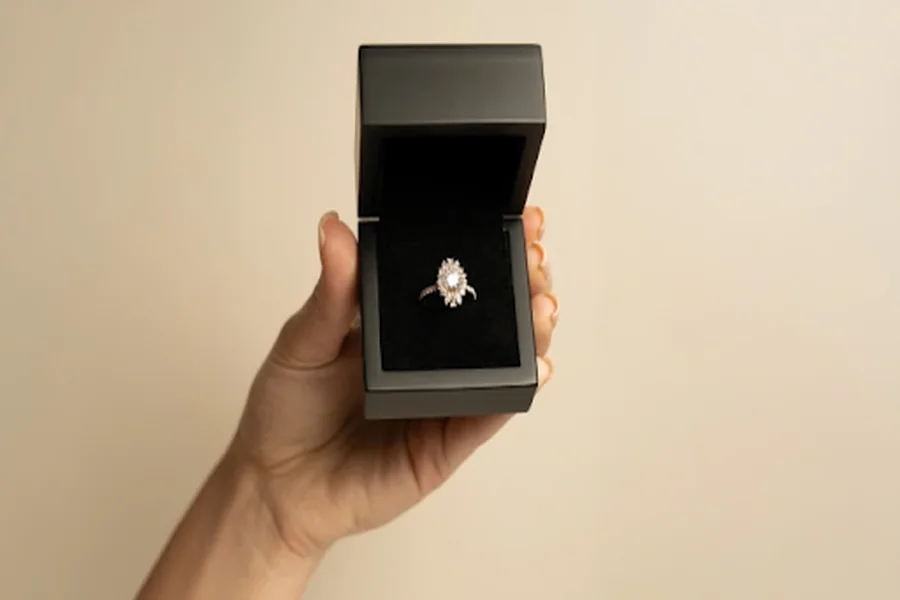
An engagement ring can represent much more than a diamond and a precious-metal setting. For many couples, it becomes a lasting reminder of a relationship, a shared milestone, and the story that brought two people together. That is why designing a custom engagement ring can be appealing to couples who want something that feels connected to their own personalities rather than choosing a standard design from a display case.
For couples searching for a custom engagement ring in Dallas, the process can begin with a simple idea and develop into a highly personal piece of jewelry with the help of an experienced jeweler. From selecting the diamond to refining the setting and deciding on small design details, each stage gives couples an opportunity to shape the final ring.
Start With the Story Behind the Ring
Before discussing diamonds, metals, or settings, it helps to think about what the ring should represent. A meaningful custom design may draw inspiration from a couple’s first meeting, a favorite destination, a family tradition, or a shared interest.
Some couples prefer subtle personalization. For example, an engagement ring might feature an engraving inside the band containing a date, initials, or a short phrase. Others may incorporate a design detail inspired by a place that has personal significance.
The goal is not to add as many details as possible. A successful custom ring often balances individuality with a design that will remain attractive and comfortable for years.
Build a Design Around the Center Stone
The center diamond or gemstone is usually one of the first major decisions in the design process. Shape, size, cut quality, color, and clarity all influence the appearance of the finished ring.
Choosing the Right Diamond Shape
Round brilliant diamonds remain a popular choice, but custom design allows couples to explore many other shapes. Oval, emerald, pear, cushion, marquise, and radiant cuts can create very different visual effects.
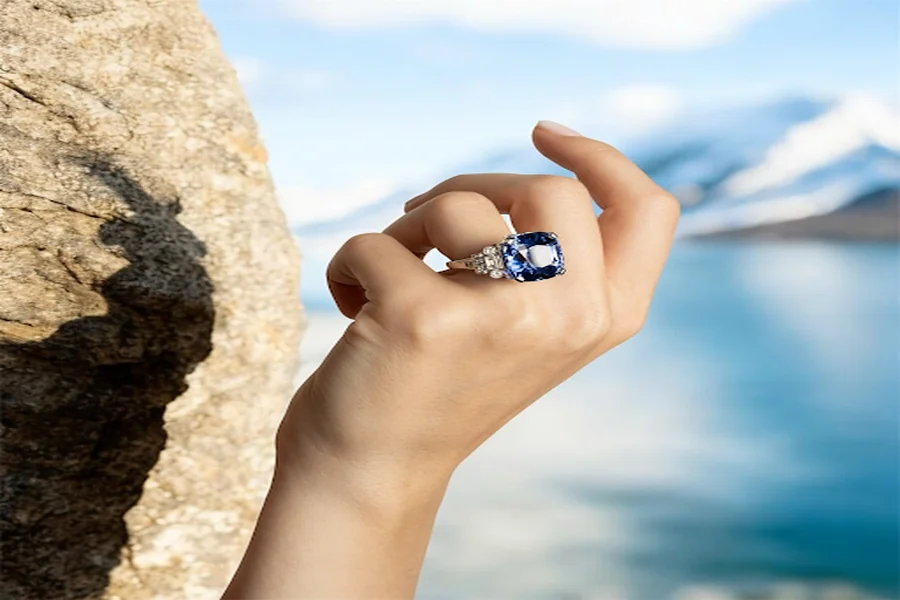
The shape should work with the wearer’s personal style and the proportions of the eventual setting. For example, an elongated oval or emerald-cut diamond can create a different look from a traditional round stone, while a pear-shaped diamond can provide a more distinctive silhouette.
Balancing Appearance and Budget
A custom ring does not require choosing the largest possible stone. Diamond quality is influenced by several characteristics, and an experienced jeweler can explain how different combinations affect appearance and price.
Couples may decide to prioritize cut quality, choose a particular diamond shape, or allocate part of the budget toward design details. Having these conversations early can make the design process more efficient.
Select a Setting That Matches Personal Style
Once the center stone has been selected, the setting becomes the framework that determines how the diamond will look and how the ring will sit on the finger.
A solitaire setting offers a clean, classic appearance and places most of the visual attention on the center stone. Halo designs can create additional presence around the center diamond, while three-stone settings can carry symbolic meaning associated with a couple’s past, present, and future.
For someone who prefers understated jewelry, a simple band with carefully proportioned prongs may be the right direction. Someone drawn to vintage-inspired jewelry might prefer milgrain edges, engraving, or intricate metalwork.
Work With an Experienced Dallas Jeweler
Custom jewelry design involves more than choosing components from a catalog. A skilled jeweler can help translate a rough idea into a practical design while identifying details that may affect durability, comfort, proportions, or maintenance.
Aura Diamonds, for example, provides a starting point for couples researching a custom engagement ring in Dallas and exploring the custom-design process.
During a consultation, couples can discuss sketches, reference photographs, preferred diamond shapes, metal choices, and design features. This conversation gives the jeweler a clearer understanding of the desired aesthetic before the ring moves toward production.
Refine the Design Before Production
One advantage of custom jewelry is the opportunity to refine the design before the final piece is made. Depending on the jeweler’s process, this may involve hand-drawn sketches, computer-aided design, wax models, or digital renderings.
Pay Attention to Proportions
A ring can look different on paper or a computer screen than it does when worn. The width of the band, height of the setting, size of the prongs, and relationship between the center stone and accent stones all influence the finished appearance.
Practical considerations also matter. A very high setting, for instance, may create a particular visual effect but can require more care in everyday use. A lower-profile setting may be preferable for someone with an active lifestyle.
Think About the Wedding Band Too
The engagement ring should not be designed in isolation. If the wearer plans to pair it with a wedding band, the two rings should work comfortably together.
A custom jeweler can consider whether the wedding band will sit flush against the engagement ring or whether a curved, contoured, or specially fitted band may be needed. Planning both pieces early can prevent compromises later.
Add Personal Details With Restraint
Personalization can take many forms. A hidden gemstone beneath the center stone, an engraved message, unusual side stones, or a distinctive gallery design can make a ring feel unique without overwhelming its overall appearance.
Birthstones may also be incorporated into a design, although some couples prefer to keep personalization private by placing meaningful details inside the band or beneath the setting.
The strongest personal details are often those that have meaning to the couple even if another person would not immediately recognize their significance.
Choose the Metal Carefully
Platinum, yellow gold, white gold, and rose gold each produce a different visual effect. Metal selection should complement the center stone, accent stones, skin tone preferences, and the wearer’s existing jewelry.
Platinum is known for its durability and naturally white appearance. Yellow gold provides a warmer traditional look, while rose gold has a softer pink tone. White gold can offer a bright appearance and is commonly used for contemporary engagement-ring designs.
The choice also affects the character of the finished ring, so it should be considered alongside the stone and setting rather than as a final afterthought.
Review Craftsmanship and Final Details
Before the ring is completed, the design should be reviewed for both appearance and function. Prongs need to hold the stone securely, edges should be comfortable, and the overall construction should suit regular wear.
The final inspection is also an opportunity to confirm details such as engraving, diamond placement, metal finish, and ring size. Small adjustments at this stage can make a meaningful difference to the finished piece.
Creating a Ring That Feels Truly Personal
The appeal of a custom engagement ring lies in the ability to make deliberate choices throughout the process. Rather than beginning with a finished product and accepting its existing details, couples can develop a design around their own preferences, story, and lifestyle.
In Dallas, couples can approach custom ring design as a collaborative process: start with an idea, identify the elements that matter most, work with a knowledgeable jeweler, review the design carefully, and refine the details before production. The result can be a piece that combines the practical qualities of fine jewelry with details that make the ring distinctly connected to the person wearing it.