Data That Proves Sustainable Fashion Is Growing
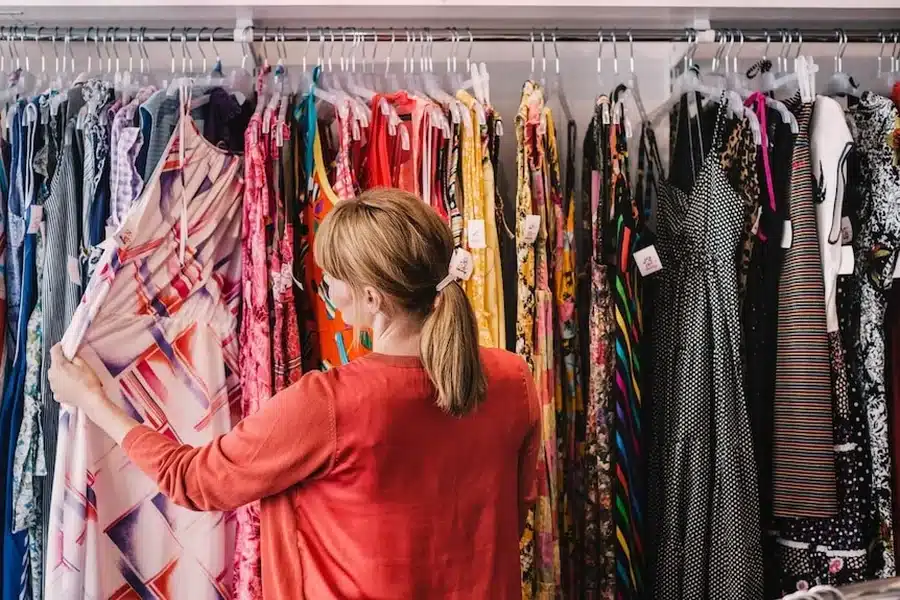
Sustainable fashion has evolved from a niche movement to a significant force within the global apparel industry. With growing concerns about the environment, resource depletion, and ethical labor practices, both consumers and brands are increasingly prioritizing sustainability. This shift is not just a passing trend but a long-term transformation in how fashion operates and how we consume. The evidence supporting the growth of sustainable fashion is overwhelming, with numerous reports, surveys, and industry data showing the increasing adoption of eco-friendly, ethical, and circular practices within the fashion industry.
This article will explore key data that highlights how sustainable fashion is gaining traction, reshaping the industry, and influencing consumer behavior. From consumer demand for eco-friendly clothing to the rising number of sustainable fashion brands, the numbers are clear: sustainable fashion is not only growing but is here to stay. Embrace eco-chic fashion with Celebrity Fashion that’s both trendy and sustainable.
1. Rising Consumer Demand for Sustainable Fashion
One of the most significant indicators of the growth of sustainable fashion is the changing mindset of consumers. Research consistently shows that more people are making eco-conscious decisions when it comes to their clothing purchases. The following data points reflect this shift:
1.1 Consumer Interest in Sustainable Fashion
According to a 2021 report from McKinsey & Company, 67% of consumers considered sustainability when making a purchase, with 63% of them wanting to purchase from brands that are environmentally responsible. This growing demand for eco-friendly clothing is a direct result of increasing awareness about the fashion industry’s environmental impact, particularly in terms of waste, carbon emissions, and water usage. As a result, consumers are increasingly making sustainable fashion choices by opting for organic materials, vegan fabrics, and eco-friendly production practices.
1.2 The Influence of Younger Generations
Younger consumers, particularly Gen Z and Millennials, are playing a crucial role in pushing the sustainable fashion movement forward. A 2020 survey conducted by IBM and the National Retail Federation found that 59% of Gen Z consumers and 56% of Millennials are willing to pay more for sustainable products. This trend shows that the next generation of consumers is not only environmentally aware but also willing to financially support brands that align with their values.
Additionally, 84% of Gen Z consumers report that they consider the environmental impact of a brand before making a purchase, according to a 2021 study by Deloitte. This data highlights a clear demand for sustainability-driven products and reflects the growing trend of conscious consumerism among younger shoppers.
1.3 The Rise of Secondhand and Circular Fashion
As part of this shift, secondhand shopping and circular fashion are on the rise. A 2021 ThredUp report revealed that the secondhand apparel market in the U.S. is expected to reach $77 billion by 2025, nearly doubling from its $36 billion value in 2021. The same report noted that 36% of consumers planned to buy more secondhand clothing in 2021 compared to previous years, signaling a growing trend toward the reuse and recycling of garments.
Platforms like Depop, Poshmark, and ThredUp have seen significant growth as consumers turn to resale platforms as a sustainable alternative to fast fashion. This supports the idea that people are not only aware of the environmental impact of their clothing choices but are actively seeking out ways to reduce waste and extend the life of their garments.
2. The Rise of Sustainable Fashion Brands
The growth of sustainable fashion is also evident in the rise of brands that prioritize sustainability in their operations. Many well-established brands, as well as new startups, are adopting eco-friendly practices to meet consumer demand. These brands are setting the standard for how fashion can be both fashionable and ethical.
2.1 The Expansion of Sustainable Fashion Startups
A 2020 report by Sustainable Brands found that the number of sustainable fashion startups has surged in recent years. These startups are innovating across all aspects of fashion, from using plant-based textiles and recycled fabrics to incorporating circular fashion models and fair labor practices. Brands like Patagonia, Reformation, Allbirds, and Everlane are leading the charge in promoting eco-friendly materials, ethical labor practices, and transparency within their supply chains.
The Global Fashion Agenda (GFA) reported that 50% of fashion brands surveyed in 2020 were increasing their focus on sustainability. As major brands adopt sustainable practices, it sends a clear signal that sustainability is becoming integral to the business models of fashion companies. Moreover, larger companies are making ambitious pledges to reduce their carbon footprint, with brands like H&M and Nike committing to goals such as carbon neutrality and zero waste by 2030.
2.2 Fashion Week and Sustainability
Fashion events are also evolving to reflect the growing importance of sustainability. In recent years, several fashion weeks, including those in Paris, New York, and London, have featured a significant number of designers focused on eco-friendly materials, upcycled fabrics, and zero-waste designs. Sustainable fashion shows and initiatives are becoming more common, with several major fashion weeks dedicating entire segments to sustainable fashion.
For example, Paris Fashion Week 2021 saw a noticeable increase in the number of brands and designers showcasing sustainable collections. Leading figures in the industry, including Stella McCartney, have been at the forefront of advocating for environmental and ethical considerations within the fashion industry.
3. Investment in Sustainability
The financial backing for sustainable fashion is another sign of the industry’s growth. More investors are recognizing the importance of ethical fashion and are putting their money into eco-conscious brands and initiatives.
3.1 Funding for Sustainable Fashion Brands
In recent years, sustainable fashion brands have attracted significant investments. For example, in 2020, Everlane, a sustainable fashion brand, secured $150 million in funding to expand its operations and continue its commitment to sustainable and ethical practices. Similarly, Allbirds, known for its eco-friendly footwear and apparel, reached a $4 billion valuation in 2021, demonstrating the growing consumer interest and investment potential in sustainable fashion.
The increasing availability of funding for sustainable brands reflects the growing demand for eco-conscious clothing and the financial viability of operating with sustainable practices. It also indicates that investors are seeing long-term value in supporting brands that are committed to reducing environmental harm and improving labor standards.
3.2 The Growth of Sustainable Investment Funds
Sustainable investment funds are also growing. According to a report from the Global Sustainable Investment Alliance (GSIA), global sustainable investment reached a value of $35.3 trillion in 2020, accounting for 36% of total assets under management worldwide. This growing focus on sustainability in investment portfolios is contributing to the success of companies that prioritize environmental, social, and governance (ESG) factors, including in the fashion industry.
4. Consumer Sentiment and Behavioral Change
Understanding consumer sentiment is key to grasping the growth of sustainable fashion. Several studies highlight a growing shift toward more ethical and environmentally conscious purchasing habits.
4.1 The Demand for Ethical and Transparent Practices
A 2021 Nielsen report found that 73% of global consumers are willing to pay more for products that are sustainably produced. This statistic is crucial because it highlights how consumers are increasingly integrating sustainability into their buying decisions. People are looking for brands that are transparent about their sourcing, production processes, and labor practices, and they are choosing companies that share their values of ethical consumption.
Additionally, 87% of consumers in the 2021 Fashion Revolution Global Fashion Transparency Index stated they would like brands to be more transparent about their supply chains, indicating that consumers are demanding greater accountability from fashion companies regarding their environmental and social impact.
5. The Role of Regulations and Legislation
Governments and regulatory bodies are also starting to play a crucial role in the growth of sustainable fashion. In Europe, the European Union has introduced new legislation aimed at making fashion more sustainable, including extended producer responsibility (EPR) regulations and mandates for waste reduction and circularity.
5.1 Legislation Driving Change
In response to growing environmental concerns, the EU has also set mandatory transparency and sustainability reporting for companies, encouraging brands to disclose their environmental and social impact. These regulations are encouraging fashion brands to adopt more sustainable practices and to invest in long-term sustainability goals.
Conclusion
The data proves that sustainable fashion is no longer just a passing trend — it is a significant force that is reshaping the industry. The growing consumer demand for eco-friendly clothing, the rise of sustainable fashion brands, the increasing investment in sustainability, and the changing regulations all point to one conclusion: sustainable fashion is here to stay.
As awareness continues to grow, and as consumers make more informed decisions about their clothing purchases, the fashion industry will continue to adapt. The movement toward sustainability is not just changing how we buy clothes — it’s transforming the entire fashion ecosystem, creating a future where style and ethics can go hand in hand.
The shift to sustainable fashion is happening, and the data proves it. Whether through supporting eco-friendly brands, investing in secondhand fashion, or embracing circular and ethical practices, it’s clear that sustainable fashion is gaining momentum and will continue to grow in the years to come.