Exploring the Natural Beauty and Captivating Behavior of Wild Betta Fish
Introduction to Wild Betta Fish
Wild Betta fish offer a fascinating glimpse into freshwater ecosystems shaped by time, climate, and adaptation. Beyond their popularity as aquarium pets, these fish display remarkable traits rooted in their native environments. This article presents a refined and informative exploration of wild Betta fish, focusing on their appearance, behavior, habitat, and the growing need for habitat protection.
Origins and Natural Habitat
Betta fish, commonly referred to as Siamese fighting fish, belong to the genus Betta and originate from Southeast Asia. In their natural settings, these fish inhabit shallow freshwater areas such as rice paddies, marshes, floodplains, and slow-flowing streams. Warm temperatures, seasonal rainfall, and dense aquatic vegetation shape their daily lives.
Wild vs. Captive Betta Fish
In captivity, Betta fish are often recognized for their dramatic fins and bold coloration. Wild Betta fish differ noticeably, displaying features shaped by survival rather than selective breeding. Males are known for territorial displays, particularly during breeding periods, whereas females often show calmer interaction patterns. Their ability to breathe atmospheric air through a labyrinth organ allows them to survive in low-oxygen waters, a trait developed through generations of adaptation.
Species Diversity and Physical Traits
Learning about Betta fish offers value beyond aquarium care. Knowledge of their natural behavior, dietary patterns, and environmental needs supports responsible fishkeeping and promotes awareness of freshwater biodiversity. Research contributes to conservation awareness by highlighting the fragile ecosystems on which these fish rely, encouraging ethical sourcing and habitat preservation.
The wild Betta fish encompass numerous species spread across Southeast Asia. These fish display a wide range of coloration, body shapes, and behavioral traits depending on geographic location. Their appearance often features muted tones such as olive, bronze, deep blue, or reddish-brown, offering concealment among aquatic plants and leaf litter. Their diet consists mainly of insects, larvae, and small invertebrates found near the water’s surface. This feeding pattern reflects their role as both predator and prey within freshwater food chains, contributing to ecological balance.
Environmental Adaptations
Wild Betta fish occupy environments with minimal water movement and abundant plant life. Shallow waters warm quickly under tropical climates, creating favorable conditions for breeding and feeding. Floating vegetation, submerged roots, and decomposing organic matter provide shelter and spawning areas, supporting different stages of their life cycle.
Coloration, Fins, and Evolutionary Design
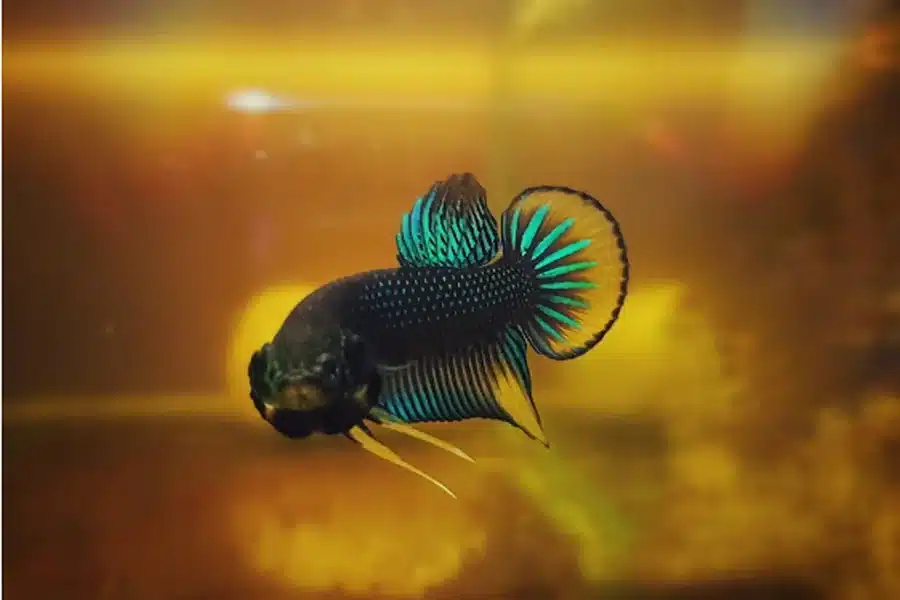
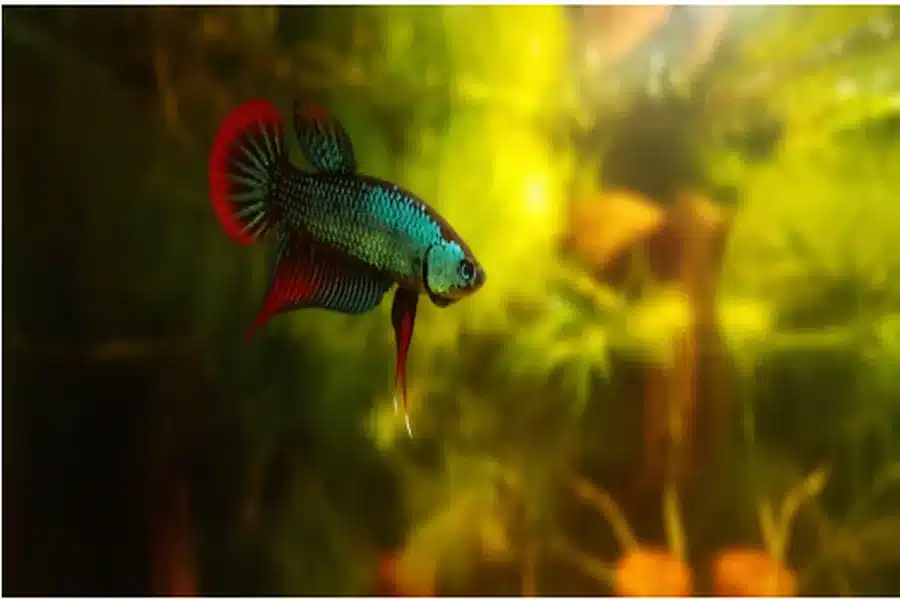
Wild Betta fish present an understated yet striking visual presence. Their coloration often shifts subtly under changing light conditions, revealing iridescent highlights during displays or courtship. These color changes serve communication purposes rather than decoration, signaling dominance, readiness to breed, or warning rivals. Variation among species adds to their appeal. Some display faint striping, others exhibit metallic sheen along scales, and many show color concentration around fins or gill plates.
Fin shapes among wild Bettas differ from ornamental varieties. Shorter, more compact fins support efficient movement through dense vegetation and shallow waters. Tail shapes vary across species, each suited to specific habitats and swimming patterns. These structural differences reflect evolutionary responses to environmental demands rather than aesthetic preference.
Behavior and Reproduction
Wild Betta fish stand apart from many freshwater species through their air-breathing ability, strong territorial instincts, and diverse reproductive strategies. Some species build bubble nests, others practice mouthbrooding, carrying eggs until hatching. These traits illustrate adaptability across varied aquatic conditions.
Territorial behavior forms a core aspect of wild Betta fish interaction. Males defend feeding and breeding areas through visual displays that include fin spreading, body arching, and intensified coloration. Physical conflict occurs less frequently than display-based communication, reducing injury and energy loss. Male Betta fish that practice bubble nesting construct floating clusters of air bubbles coated with saliva. These nests serve as incubation sites for eggs following mating. The male guards the nest closely, retrieving fallen eggs and maintaining nest structure until fry emerge.
Courtship involves synchronized swimming, color shifts, and careful positioning. Successful mating depends on environmental conditions such as water temperature and plant cover. After spawning, parental roles vary by species, though male involvement remains prominent in many cases.
Conservation and Environmental Impact
Human activity has significantly altered freshwater environments across Southeast Asia. Agricultural expansion, pollution, deforestation, and water diversion have reduced suitable habitats for wild Betta fish. Chemical runoff affects water quality, impacting breeding success and food availability. Collection for the aquarium trade adds further pressure on already vulnerable populations. Protecting wild Betta fish supports freshwater ecosystems as a whole. Conservation initiatives focus on habitat restoration, sustainable breeding programs, and public education. These efforts help maintain species diversity and ecological balance while reducing reliance on wild-caught specimens. Healthy freshwater systems provide clean water, flood control, and food sources for surrounding communities. By protecting habitats that support wild Betta fish, broader environmental health improves. Aquarists benefit from stronger captive breeding programs that reduce environmental strain and preserve genetic diversity.
Conclusion
Wild Betta fish represent far more than decorative aquarium inhabitants. Their natural beauty, shaped by subtle coloration and purposeful design, reflects centuries of adaptation within Southeast Asia’s freshwater systems. Their behavior—from territorial displays to complex breeding strategies—reveals a level of sophistication often overlooked in small fish species.
Understanding wild Betta fish deepens appreciation for aquatic biodiversity and reinforces the responsibility humans share in protecting natural habitats. Through informed fishkeeping, ethical sourcing, and conservation awareness, enthusiasts play a role in preserving these remarkable species. Protecting wild Betta fish safeguards not only their future but the health of the ecosystems they inhabit.