From Silos to Synergy: The Power of Shared Digital Workspaces

Silos happen when groups operate alone, don’t share information, and do the same thing over and over. This makes it harder for strategy to turn into outcomes and slows down action. People, projects, and ideas can all work together in one place in a shared digital workplace. This gets away from those silos. Modern project management tools not only bring tasks and files together, but it also encourages people to be open and work together. Lark is an excellent example of this transition since it allows businesses a single digital area where they can talk, plan, and share information, breaking down barriers and creating synergy.
Lark Base connects data and decisions
Lark Base
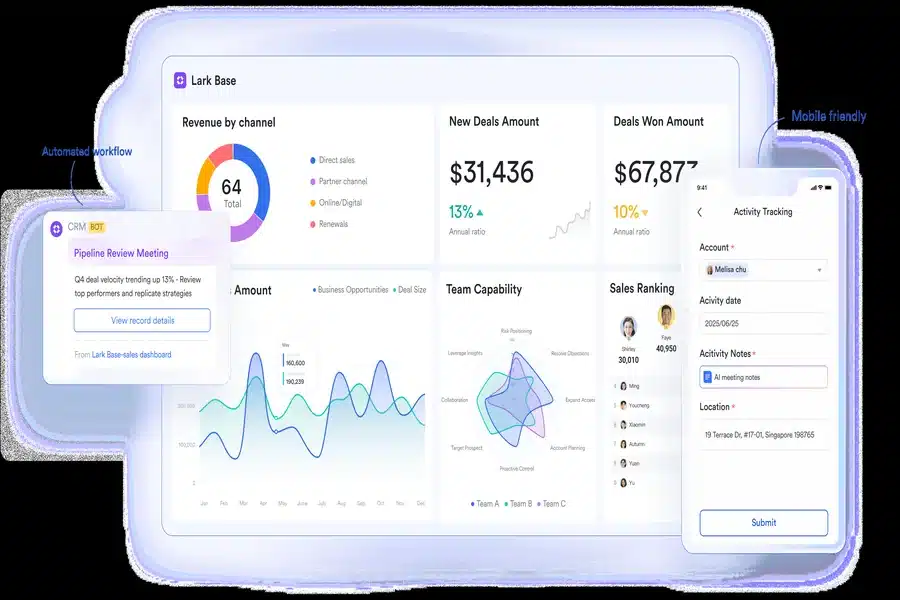
When you work with spreadsheets or static reports, insights stay isolated. Lark Base converts them into databases that everyone can use and that groups can customize to meet their needs. Gantt charts can assist operations keep track of project milestones, and Kanban boards can help marketing maintain track of campaigns. With custom fields, related records, and filters, it’s easy to highlight the most critical things. Instead of stale slides, leaders may see real-time data on live dashboards. This helps them make better choices. Base makes sure that everyone has access to the same information, which helps departments work together.
Lark Messenger turns conversations into shared progress
Lark Messenger
Chat platforms can either make silos stronger or weaker. Lark Messenger is made to do the second thing by connecting talking to doing. Threaded discussions help keep conversations going, and mentions and smart notifications make sure that the right people get updates. Teams may pin critical messages so that everyone can see them. They can also turn discussions into tasks or Docs right quickly, so decisions become action points instead of threads that get forgotten. Messenger makes it easier for departments to talk to each other by giving them a place to do so without too much noise.
Lark Calendar synchronizes time across teams
Lark Calendar
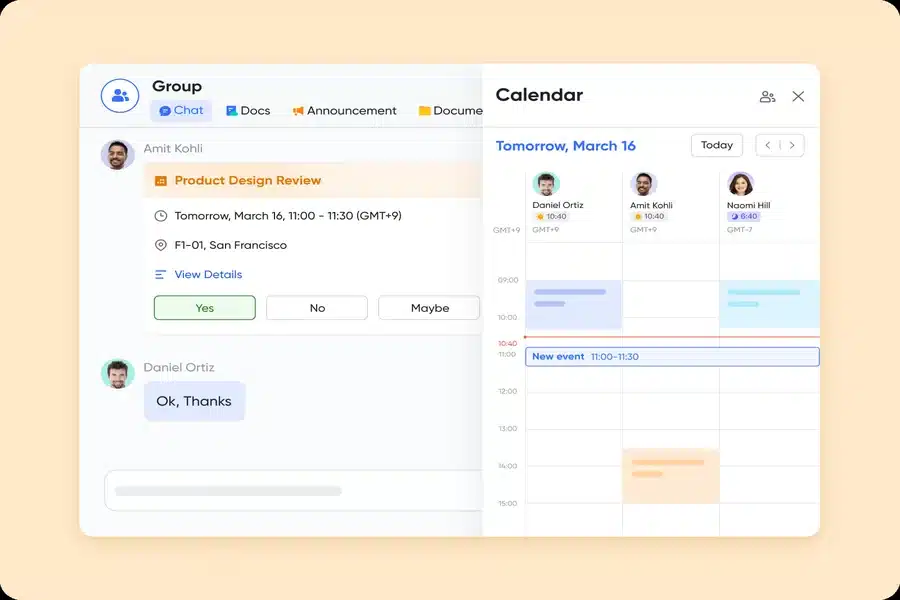
People often miss meetings, have trouble arranging things, or have deadlines that don’t match up when their calendars aren’t connected. Lark Calendar makes sure that everyone is on the same schedule by letting them see the same things. You can link events directly to project Docs or Base objects, so you always have the information you need. Automatic changes to time zones make it easy to work with individuals from all over the world, and reminders help you remember crucial deadlines. Putting strategic goals at the top of calendars lets teams see how much time is spent on each project. This synchronization makes sure that energy is used on things that drive things forward instead of looking for things that are available.
Lark Tasks make accountability transparent
Lark Tasks
When everyone knows what their job is, working together becomes easier. Teams may assign, keep track of, and finish assignments with Lark Tasks. A manager can rapidly make a task out of a message, give it a name, and set a due date. Everyone engaged can view updates on progress, so there is no need to guess who is in charge of what. Tasks can even send reminders, raise issues that haven’t been resolved, or update dashboards automatically. When an automated workflow is built in, routine work keeps going without becoming stuck. This organization and visibility knock down barriers that could make people forget about tasks.
Lark Docs keep collaboration continuous
Lark Docs
It’s challenging to exchange knowledge when most traditional files are stored in email threads and local storage. Lark Docs enables teams work on documents together in real time in a shared location. More than one person can edit at once, leave comments right in the document, and add other things like Sheets or recordings of meetings. Version history makes it easy to see how concepts have changed over time. For example, leadership can make a strategy draft better, marketing can add to it, and finance can look at it over—all in one Doc without having to worry about different versions. Docs help people work together instead of keeping information in separate files.
Lark Wiki preserves and shares organizational knowledge
Lark Wiki
Knowledge often gets lost in silos, even when projects go well, if it isn’t written down. Lark Wiki solves this problem by creating a dynamic knowledge base that collects, organizes, and makes information available to everyone in the company. Teams can make parts for rules, project playbooks, or technical papers. Tagging helps keep content structured by relevancy, and employees may easily find answers without having to ask the same question more than once. Wiki makes information open to everyone, which lowers the barriers to it. It also makes sure that teams share what they learn.
Lark Sheets make data collaborative and transparent
Lark Sheets
Spreadsheets are often caught in their own little worlds, either on desktops or in email threads. Lark Sheets brings them into the shared workspace so that everyone can see and work with the data. Teams may work on the same text at the same time, do difficult math, and keep track of data without worrying about version conflicts. Linked records link Sheets to Base or Docs, which makes the numbers part of the story instead of separate. For example, if a finance team changes the budget figures in Lark Sheets, the new numbers will automatically show up on Lark Base displays for leaders to see. The formatting stays the same when you export, and real-time collaboration makes sure that everyone always sees the most recent data. Sheets makes spreadsheets shared assets, which breaks down one of the most rigid work silos.
Lark OKR keeps focus unified across silos
Lark OKR
When teams forget about their shared goals, they typically create silos. Lark OKR is a clear way to set goals and link them to measurable results. You may connect each OKR to tasks in Lark. Base has activities or projects to ensure sure strategic alignment isn’t just a theory. Dashboards display how well teams are performing, while comment threads enable people discuss how well they’re doing. Employees are more likely to work together across departments when they can see how their daily tasks tie into the bigger picture. OKRs make sure that everyone is working toward the same goals and that departments don’t just work toward their own goals but also help the overall business succeed.
Conclusion
When you knock down barriers, it’s not just about better communication. It’s also about creating a place where projects, talks, and ambitions may all meet. Lark gives you that workspace by connecting Base, Messenger, Calendar, Tasks, Docs, Wiki, and OKR into one system that works together. When teams work together instead of separately, they get things done faster and better. Companies that wish to get rid of waste can utilize business process management software like Lark to make sure that every idea, task, and decision leads to shared development. Silos give way to cooperation, and plans become actions.