How AI Is Transforming Contract Collaboration and Review
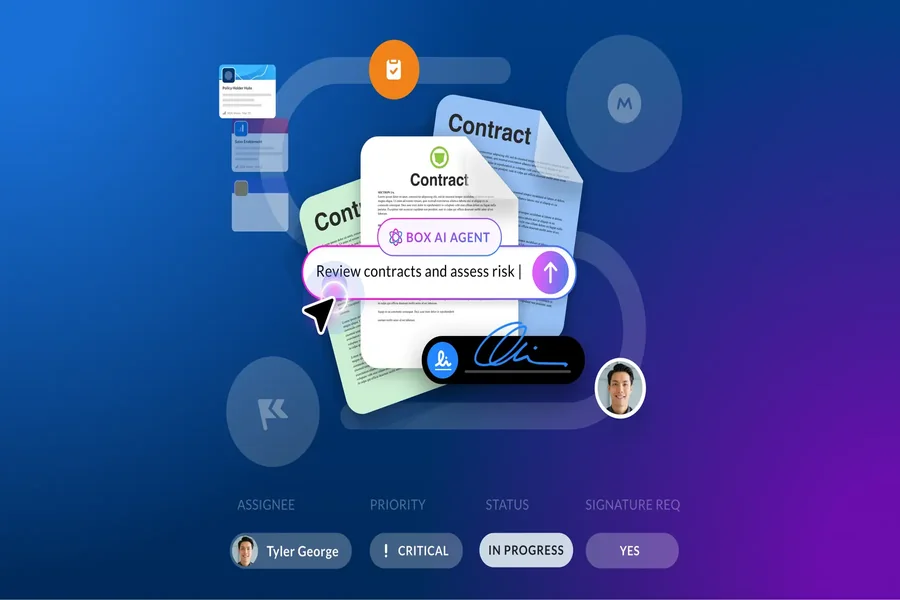
Contract collaboration and review have traditionally involved multiple rounds of emails, document attachments, tracked changes, comments, and approvals. As contract volumes increase, these processes can become difficult to manage, especially when legal, sales, procurement, finance, and business teams all need to contribute.
Artificial intelligence is changing this process by bringing automation, context, and faster analysis into everyday contract workflows. Instead of treating contracts as static documents, AI enables teams to review agreements more intelligently, improve contract collaboration in real time, and identify potential risks earlier.
Key Takeaways
- AI accelerates contract reviews by identifying risks, deviations, and missing provisions while reducing repetitive manual work.
- AI-powered collaboration keeps legal and business teams aligned through shared workspaces, comments, version tracking, and notifications.
- Automated contract analysis helps teams identify potential risks earlier and make faster, more informed negotiation decisions.
- AI improves contract workflows by connecting drafting, review, collaboration, approval, signing, management, and analytics processes.
- SpotDraft combines AI-powered review, collaboration, drafting, analytics, and contract management to streamline contracting for legal and business teams.
The Shift Toward AI-Powered Contract Workflows
Traditional contract review often involves repetitive tasks, scattered communication, and multiple document versions. AI is introducing a more connected approach by helping teams analyse agreements, automate routine processes, and collaborate more effectively. This shift allows legal professionals to spend less time managing documents and more time focusing on negotiations, risk assessment, and strategic legal work.
How AI Is Transforming Contract Collaboration and Review
AI is not simply making contract review faster. It is changing how teams communicate, assess agreements, manage revisions, and make decisions throughout the negotiation process.
1. Accelerates Initial Contract Reviews
One of the biggest wins with AI is how fast it scans through contracts. Instead of spending hours reading through endless pages of fine print, legal teams can use AI to instantly spot tricky clauses, missing terms, weird language, or red flags.
It gives lawyers a solid, quick starting point so they can skip the grunt work and focus their energy where human expertise actually matters.
2. Makes Redlining More Intelligent
Redlining during negotiations is super important, but sifting through every single edit takes forever. AI speeds this up by cross-checking incoming contract language against your company’s standard templates, approved playbooks, and past legal stances.
It immediately flags unusual deviations and suggests alternative phrasing, letting lawyers make smart calls without manually comparing every line against company standards.
3. Enables Real-Time Collaboration
Contract negotiations usually mean a dozen different people poking around in different versions of the same file. AI-driven contract platforms improve contract collaboration by giving everyone one shared workspace where they can edit, redline, tag teammates, leave comments, and track changes on the fly.
Take SpotDraft, for instance; it keeps live editing, redlining, comments, and full version history all under one roof so you always know who touched what. It cuts out the usual “which draft is the final one?” confusion and keeps the whole team on the exact same page.
4. Helps Business Teams Conduct First-Pass Reviews
Not every contract review needs to begin with a lawyer. AI can enable trained business users to conduct initial reviews based on legal-approved playbooks.
This can be particularly useful for routine agreements such as NDAs or standard vendor contracts. Legal teams can establish review rules while business stakeholders use AI to identify issues that need escalation.
5. Reduces Communication Bottlenecks
Contract deals often grind to a halt when every tiny question triggers another endless email chain. AI platforms fix this by centralising all discussions right inside the document and pushing quick notifications to the tools your team is already using every day.
By plugging directly into apps like Slack or Microsoft Teams, stakeholders get pinged about updates, sign-offs, and next steps in real time, saving everyone from constantly refreshing their inbox.
6. Improves Version Control
Juggling five different drafts of the same contract is an absolute nightmare. It’s way too easy for someone to review an old file by mistake or drop edits into an outdated version.
AI contract tools clean up that mess by automatically logging edits and saving every draft with a clear, time-stamped history. You get a clean paper trail showing how the agreement evolved, so everyone instantly knows which version is actually the final, approved draft.
7. Makes Contract Information Easier to Find
Digging through hundreds of old PDFs to find one specific clause is a massive time sink. With AI, you can search across your entire repository for specific terms, renewal dates, obligations, or party names in seconds.
For bigger contract libraries, AI pulls out key details automatically and organises the data into neat, readable metadata. SpotDraft, for example, uses AI to extract over 1,000 different types of contract metadata, taking the pain out of audit prep and tracking.
8. Surfaces Risks Before They Become Problems
Instead of just reacting to issues after a contract is signed, AI helps legal teams catch problems upfront. It scans incoming text against your company playbooks, past deals, and legal benchmarks to flag risky language before it becomes a real headache.
Even better, smarter AI systems don’t just dump a list of scary alerts on your desk; they explain why something is a risk and suggest specific rewrites so lawyers can make fast, confident decisions.
9. Turns Contracts Into Usable Business Intelligence
Contract data can reveal more than legal obligations. It can provide insights into negotiation cycles, review workloads, frequently changed provisions, and process bottlenecks.
AI and contract analytics can help legal leaders understand where reviews are taking longer, which contract types create the most work, and where processes can be improved.
10. Creates a More Connected Contract Workflow
The real value of AI emerges when contract collaboration and review are connected with the wider contract lifecycle. Drafting, reviewing, negotiating, approving, signing, managing, and analysing contracts can become part of one integrated process instead of separate activities.
A broader platform brings together contract creation, collaboration, management, workflows, eSignatures, analytics, and AI capabilities, allowing teams to manage contracting through a connected ecosystem.
Let’s Sum Up!
AI is reshaping contract collaboration and review by reducing repetitive work, improving visibility, accelerating analysis, and connecting stakeholders throughout the negotiation process. The result is a more efficient contracting experience where legal teams can spend less time managing documents and more time applying their expertise.
For organisations looking to modernise these processes, SpotDraft brings AI into contract operations through intelligent review, AI-assisted drafting and editing, collaborative workflows, playbook-based analysis, contract data extraction, and analytics. Its platform also supports real-time collaboration, Microsoft Word integration, Slack and Teams notifications, eSignatures, and centralised contract management, helping legal and business teams work together more efficiently.
Frequently Asked Questions
1. How does AI improve contract collaboration and review?
AI streamlines contract review by identifying risks, suggesting changes, organising information, and enabling stakeholders to collaborate efficiently throughout negotiations and approval processes.
2. Can AI identify risks in contracts automatically?
Yes, AI can identify unusual clauses, missing provisions, deviations from approved playbooks, and potentially risky language, helping legal teams prioritise important issues.
3. Does AI reduce the time required for contract reviews?
AI can significantly reduce manual review time by analysing agreements quickly, highlighting relevant provisions, and allowing legal professionals to focus on complex issues.
4. How does AI help manage multiple contract versions?
AI-powered platforms maintain organised version histories, track revisions, and centralise documents, helping teams avoid outdated agreements and maintain greater control during negotiations.
5. How does SpotDraft support AI-powered contract collaboration and review?
SpotDraft combines AI-powered contract review, drafting, collaboration, playbooks, analytics, and workflow automation to help legal and business teams streamline contracting and negotiations.