How Dental Crowns in Atlanta Restore Damaged or Broken Teeth
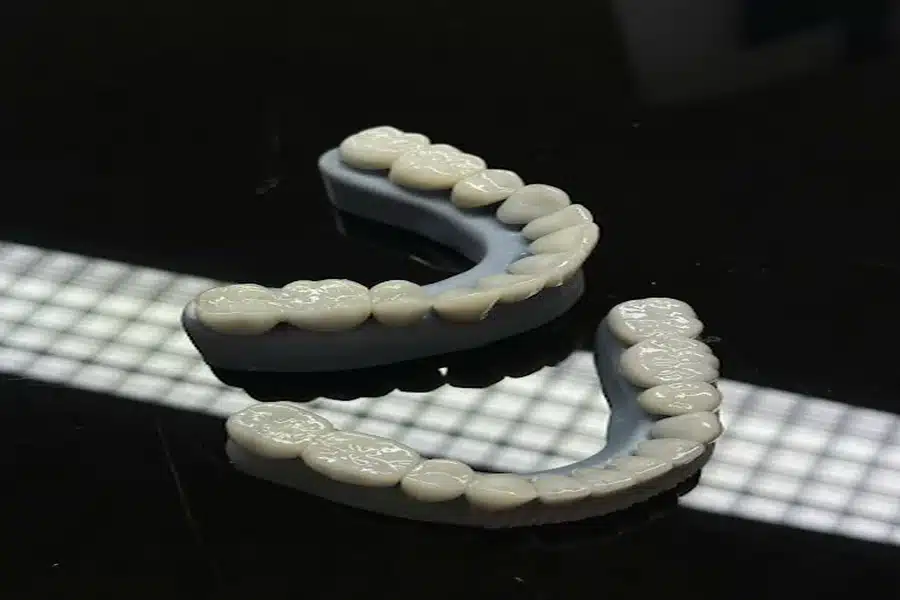
Dental crowns in Atlanta are an effective solution for restoring damaged or broken teeth. By covering the entire tooth, they offer all-encompassing protection and enhance durability and functionality. Crafted from materials like porcelain, ceramic, or metal alloys, crowns blend seamlessly with natural teeth, maintaining aesthetic harmony. They support improved chewing, speech, and oral health. Understanding their unique role in dental restoration invites further exploration into their benefits and application in varied dental scenarios.
Understanding the Purpose of Dental Crowns
Dental crowns, why are they essential? They serve a pivotal role in restoring the functionality and aesthetics of compromised dentition. The crown material composition significantly impacts its durability and biocompatibility, with options including porcelain, ceramic, metal alloys, and composite resins. Each material presents distinct characteristics, influencing factors such as wear resistance, translucency, and thermal expansion. Clinicians must also address crown preparation considerations, guaranteeing optimal tooth reduction and margin design to achieve a secure fit and reliable adhesion. Proper preparation minimizes the risk of secondary caries and periodontal complications. By understanding the importance of these elements, dental professionals can ensure successful outcomes, providing patients with restored oral function and improved dental health. Consequently, crowns are indispensable in comprehensive dental care.
The Process of Getting a Dental Crown
The process of obtaining a dental crown in Atlanta begins with an initial dental assessment, where the dentist evaluates the affected tooth and surrounding oral structures. This is followed by the crown preparation steps, which involve reshaping the tooth and taking precise impressions to guarantee a custom fit. For patients exploring dental crown procedures in Atlanta, the final placement is executed with precision, securing the restoration to restore both function and aesthetics effectively.
Initial Dental Assessment
Prior to the placement of a dental crown, an initial dental assessment is essential to evaluate the patient’s oral health and determine the suitability of the procedure. This assessment involves a thorough dental examination, which includes the inspection of the affected tooth as well as surrounding oral structures. The dentist evaluates the extent of damage or decay to ascertain the need for a crown. Alongside the clinical evaluation, a detailed medical history is obtained to identify any underlying conditions or allergies that could influence treatment planning. Radiographic imaging may be employed to assess root and bone health. This inclusive assessment guarantees that the dental crown procedure is tailored to the unique needs of the patient, optimizing outcomes and mitigating potential risks.
Crown Preparation Steps
Once the initial assessment confirms the need for a dental crown, the preparation process begins with the administration of local anesthesia to safeguard patient comfort. Following anesthetization, the dentist engages in precise tooth preparation, which involves the removal of decayed or weakened portions. This step guarantees a stable foundation for the crown. The dentist meticulously contours the tooth to the required dimensions through crown shaping, ensuring the crown’s ideal fit and function. This shaping is critical as it facilitates the crown’s seamless integration with surrounding teeth, maintaining occlusal harmony. An impression of the prepared tooth is subsequently taken, capturing its exact specifications. This impression serves as a blueprint for fabricating a custom crown that meets the patient’s unique dental anatomy.
Final Crown Placement
Following the precise tooth preparation and impression taking, attention shifts to the final crown placement. This stage is pivotal in safeguarding the durability and functionality of the dental restoration. Initially, the dentist removes the temporary crown and assesses the fit and aesthetics of the permanent crown. With meticulous care, adjustments are made to ensure occlusal harmony and ideal contact points. Once the fit is deemed satisfactory, the dentist proceeds with crown cementation. This involves using a biocompatible dental cement to securely bond the crown to the prepared tooth structure. The final restoration adjustments are performed to refine the bite and guarantee patient comfort. This methodical approach ensures that the crown performs effectively and meets the patient’s expectations for a natural appearance and function.
Different Types of Dental Crowns Available
When considering dental crowns, patients in Atlanta have several options based on material composition, including porcelain, metal, ceramic, and resin, each offering unique benefits with regard to durability, aesthetics, and biocompatibility. Additionally, the distinction between permanent and temporary crowns is key, as temporary crowns serve as an interim solution while permanent crowns are custom-fabricated to provide long-term function and appearance. Understanding these variations enables patients to make informed decisions in consultation with their dental care provider.
Materials for Dental Crowns
A diverse range of materials is utilized in the fabrication of dental crowns, each offering unique benefits and considerations. The choice of material greatly impacts aesthetics, durability, and functionality. Understanding these options guarantees informed decisions for patients.
- Porcelain Composition: Renowned for its natural appearance, porcelain closely mimics tooth enamel, making it ideal for anterior teeth.
- Metal Alloy Types: These include gold, palladium, and nickel-chromium, offering superior strength and longevity, particularly suitable for posterior crowns.
- Porcelain-Fused-to-Metal (PFM): Combines the aesthetic benefits of porcelain with the strength of metal, providing a balanced solution.
- Zirconia: Known for its exceptional durability and biocompatibility, often utilized in high-stress areas.
- Resin: A cost-effective option, though less durable, often used as a temporary solution.
Permanent vs. Temporary Crowns
Dental crowns are categorized into two primary types: permanent and temporary, each serving distinct purposes within restorative dentistry. Temporary crowns act as interim solutions, protecting prepared teeth while the permanent crowns are being fabricated, which may take several weeks depending on the complexity and material choices. Typically crafted from acrylic or composite resin, temporary crowns are designed for short-term use and ease of removal, guaranteeing patient comfort during the waiting period.
Permanent crowns, in contrast, are fabricated from durable materials such as porcelain, metal, or zirconia, providing long-term protection and aesthetic restoration. These crowns are custom-made to fit precisely and match the patient’s natural tooth color. The fabrication time for permanent crowns necessitates meticulous design and assessment to ensure optimal function and appearance.
Comparing Dental Crowns to Other Restorative Options
How do dental crowns compare to other restorative options available to patients seeking to improve their oral health? Dental crowns are distinct in their extensive coverage and long-term stability. When comparing dental crowns to fillings, crowns offer superior protection for extensively damaged teeth, while fillings are more appropriate for minor decay. In comparing dental crowns to dental bridges, crowns serve as essential abutments, providing foundational support for bridge placement.
Consider these attributes when evaluating restorative choices:
- Durability: Crowns are designed for longevity, resisting wear and fracture.
- Aesthetic Integration: Crowns can match natural tooth color for seamless appearance.
- Functional Restoration: Offers full chewing capability.
- Comprehensive Protection: Encloses the entire tooth structure.
- Versatility: Suitable for a wide range of dental issues.
These factors make crowns remain a crucial option in restorative dentistry.
Benefits of Choosing Dental Crowns for Restoration
Dental crowns offer a robust solution for dental restoration by providing durability and longevity, essential for maintaining oral health over time. These prosthetic devices are meticulously designed to enhance the natural appearance of teeth, ensuring aesthetic harmony with the patient’s existing dentition. Additionally, they considerably improve oral functionality, facilitating better mastication and phonetics, thereby contributing to overall patient satisfaction and quality of life.
Durability and Longevity
The resilience of dental crowns is a significant advantage for patients seeking long-term restoration solutions. Dental crowns offer an average lifespan of 10 to 15 years, contingent upon material selection and adherence to maintenance requirements. These restorative devices act as a protective barrier, safeguarding the underlying tooth structure from further damage. Clinicians recommend regular dental check-ups to guarantee optimal performance and longevity.
- Average lifespan: 10-15 years with proper care.
- Material resilience: Options include porcelain, ceramic, and metal alloys.
- Maintenance requirements: Regular oral hygiene practices and periodic dental evaluations.
- Resistance to wear: High durability against masticatory forces.
- Protection: Shields the tooth from decay, fractures, and sensitivity.
Dental crowns consequently provide a reliable solution for maintaining oral health and function.
Natural Appearance Enhancement
In addition to their durability, crowns offer substantial aesthetic benefits that enhance a patient’s natural appearance. Dental crowns are meticulously crafted to match the natural color, translucency, and shape of existing teeth, ensuring natural appearance harmony within the oral cavity. This customization enables seamless integration, making the restoration indistinguishable from adjacent teeth. Enhanced tooth visualization is achieved through advanced materials such as porcelain and ceramic, which reflect light similarly to natural enamel. These materials provide a lifelike sheen and texture, contributing to an authentic smile. Additionally, the precise fit and contouring of crowns prevent gaps and misalignment, preserving the overall dental structure. For patients in Atlanta, dental crowns are an ideal solution for restoring both function and aesthetics, enhancing self-confidence.
Improved Oral Functionality
Opting for dental crowns dramatically enhances oral functionality, addressing various issues such as weakened or damaged teeth. This restorative procedure guarantees improved bite functionality and enhanced chewing capability, thus contributing noticeably to a patient’s overall oral health. Dental crowns serve to restore structural integrity, allowing patients to resume normal dietary habits without discomfort or limitations. The amplified support they provide is indispensable for maintaining oral hygiene and preventing further dental complications.
- Improved Bite Functionality: Dental crowns restore the natural alignment of teeth, ensuring balanced force distribution during biting.
- Enhanced Chewing Capability: With crowns, patients experience fewer chewing restrictions, aiding in efficient nutrient intake.
- Structural Reinforcement: Crowns protect against further deterioration of damaged teeth.
- Prevention of Misalignment: They prevent adjacent teeth from shifting.
- Long-Term Durability: Designed to withstand daily oral activities.
How Dental Crowns Improve Oral Functionality
How do dental crowns enhance oral functionality? Dental crowns considerably improve oral functionality by restoring the structural integrity of compromised teeth. They provide improved bite alignment, essential for ideal occlusal contact between upper and lower arches. This alignment correction is crucial for distributing masticatory forces evenly, reducing undue stress on adjacent teeth and temporomandibular joints. Additionally, dental crowns contribute to enhanced chewing efficiency by replacing lost or damaged tooth structure, ensuring a stable platform for effective food breakdown. This restoration allows patients to maintain a balanced diet without discomfort, promoting better digestion and overall health. Conclusively, dental crowns play a critical role in rehabilitating oral functionality, facilitating proper mastication, and preventing potential complications associated with malocclusion or impaired chewing.
Aesthetic Advantages of Dental Crowns
Beyond their functional benefits, dental crowns offer significant aesthetic advantages that contribute to a patient’s overall oral appearance and confidence. These restorations are meticulously designed to mimic the natural dentition, ensuring seamless integration into the patient’s smile. The improved appearance can lead to a boosted self-confidence, as individuals feel more assured in social and professional settings. Key aesthetic advantages include:
- Color Matching: Crowns are customized to match the natural tooth color, enhancing uniformity.
- Natural Contouring: They replicate the natural shape and size of the tooth for a harmonious appearance.
- Alignment Correction: Crowns can address minor alignment issues, contributing to a more aesthetically pleasing dental arch.
- Stain Resistance: High-quality materials resist discoloration, maintaining a bright smile.
- Customizable Design: Tailored to patient-specific aesthetic needs and preferences.
Durability and Longevity of Dental Crowns
Dental crowns are renowned for their durability and longevity, making them a reliable choice for restorative dentistry. Typically crafted from robust materials such as porcelain, ceramic, or metal alloys, crowns are designed to withstand substantial masticatory forces. The crown lifespan generally ranges from 5 to 15 years, contingent upon material selection, placement accuracy, and individual patient factors. Ideal crown maintenance involves routine dental check-ups, adherence to oral hygiene protocols, and avoidance of deleterious habits like teeth grinding or chewing hard objects. While crowns offer substantial protection, their longevity is considerably influenced by patient compliance with prescribed care regimens. Regular professional evaluations in Atlanta facilitate timely identification of potential issues, ensuring the extended functionality and aesthetic integrity of the dental crown.
Dental Crowns for Various Dental Issues
When addressing a diverse array of dental issues, crowns serve as a versatile solution in restorative dentistry. They offer functional and aesthetic benefits to patients experiencing various dental challenges. Dental crowns can greatly contribute to:
- Tooth sensitivity reduction by providing a protective barrier against external stimuli.
- Improved bite alignment through precise contouring and placement, enhancing occlusal harmony.
- Structural reinforcement for teeth compromised by decay, fractures, or substantial wear.
- Cosmetic enhancement to improve the appearance of discolored, misshapen, or poorly spaced teeth.
- Support for dental bridges by anchoring prosthetics to adjacent teeth, stabilizing the entire dental arch.
These benefits position dental crowns as an indispensable component in thorough treatment plans, addressing both functional impairments and aesthetic concerns, ultimately facilitating ideal oral health outcomes.
Finding the Right Dental Professional in Atlanta for Crowns
For individuals seeking ideal oral health outcomes through the use of dental crowns, selecting a qualified dental professional in Atlanta is paramount. Evaluating the dental clinic reputation is imperative, as it reflects the standard of care and clinical outcomes. Prospective patients should seek recommendations and reviews, focusing on practitioners renowned for their expertise in prosthodontics. Additionally, understanding patient communication styles is essential, as effective communication can vastly impact patient satisfaction and treatment adherence. A dental professional who prioritizes clear, empathetic dialogue guarantees that patients are well-informed about the procedure, risks, and post-operative care. Evaluating these factors aids in choosing a dentist who aligns with the patient’s expectations and fosters a positive, collaborative treatment experience, ultimately enhancing the success of dental crown procedures.
Frequently Asked Questions
How Much Do Dental Crowns Cost in Atlanta?
Dental crown pricing in Atlanta varies considerably, influenced by material choice and complexity. Patients often seek cost-effective crown options, with prices generally ranging from $800 to $2,500 per tooth, ensuring durability and aesthetic appeal in restorative dental procedures.
Are Dental Crowns Covered by Insurance?
Dental crown coverage varies by insurance plan. Patients should review their policy details and consult with their provider to understand insurance claim requirements, ensuring that restorative procedures like crowns are appropriately covered and reimbursed under their specific plan.
How Long Does It Take to Recover From Getting a Dental Crown?
Dental crown recovery time varies, typically ranging from a few days to a week. Appropriate post-procedure care, including avoiding hard foods and maintaining oral hygiene, guarantees ideal healing and longevity of the crown, enhancing patient comfort and satisfaction.
Can I Eat Normally With a Temporary Crown?
With a temporary crown, maintaining proper chewing habits is vital. Patients should avoid hard or sticky foods. Adjusting eating techniques to use the unaffected side can help preserve the crown until the permanent solution is placed.
What Materials Are Dental Crowns Made From?
Dental crowns are crafted from various materials, including porcelain compositions for natural aesthetics and different metal alloy types for enhanced durability. Porcelain offers a tooth-like appearance, while metal alloys provide strength and longevity, catering to patient-specific needs.