How Do Branded Envelopes Change The Way Recipients See Your Business?
A stack of mail lands on a desk, and before a single word is read, the recipient has already made a judgment call. Is this worth opening now, later, or not at all? That decision starts with the envelope, not the letter inside it.
For businesses that send invoices, proposals, or marketing offers through the mail, the envelope carries more weight than most owners realize.
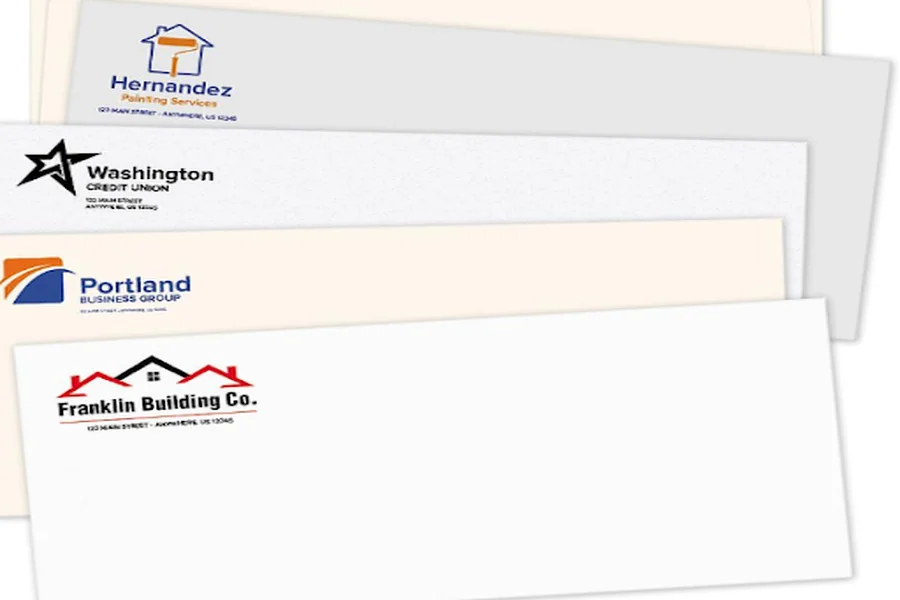
A plain, generic envelope blends into a pile of bills and flyers. A printed, on-brand one stands apart and tells the recipient who is reaching out before they even break the seal, which is a small edge that adds up across every mailing a company sends.
With this in mind, this article examines how a well-branded mail piece reshapes that first impression and what the shift means for open rates, trust, and how a company is remembered.
1. Signal Legitimacy Before The Letter Is Opened
Recipients sort mail rapidly, typically within seconds, and their sorting depends on visual cues. The inclusion of the logo in the upper-right-hand corner, color coordination, and a return address that points to a physical business establishes the sender as reputable rather than opportunistic. Any unbranded envelope is considered part of the junk mail pile.
Custom business envelopes bridge this gap by using the same color theme, font, logo location, and other design elements as on a company website, invoices, or product packaging. As a result, the mail piece appears as another aspect of the business rather than an unknown entity mailing information via the postal service. This alone makes the mail item go from being considered trustworthy enough to be thrown in the trash to receiving closer attention before anything else has been read.
It is particularly important for fields such as legal, financial, and healthcare, where recipients will be much more willing to open, read, and follow through after receiving the information.

2. Builds Recognition With Every Piece Of Mail
Color recognition is a vital element in this equation, and color plays an unusually large role in that process. A study by Loyola University Maryland determined that the use of color in branding can increase recognition by up to 80 percent. The use of an envelope printed in the exact brand colors, repeated in the same fashion each time, means people do not even have to look at the return address to recognize the sender.
This is particularly important for businesses that send mail regularly, bill customers monthly, or offer special deals during specific seasons. Every time the same brand envelope is sent out, it builds on previous branding efforts, much like a business sign or vehicle would. When someone has already received the same envelope a few times, they do not even have to open it to know roughly what it might contain.
3. Increases The Odds Mail Gets Opened
None of that branding matters if the envelope never gets opened. Direct mail already performs well on this front. A branded envelope amplifies that advantage because recipients are more likely to open something from a sender they recognize than a mass-produced solicitation.
Businesses that pair branded envelopes with a broader direct mail service that handles printing, addressing, and mailing together tend to see the most consistent results, since the whole piece looks deliberate rather than piecemeal. Matching paper stock, ink colors, and print quality to the rest of a brand’s materials keeps the envelope from looking like an outlier alongside polished letterhead or an invoice.
4. Gives A Business An Edge Over Similar-Looking Mail
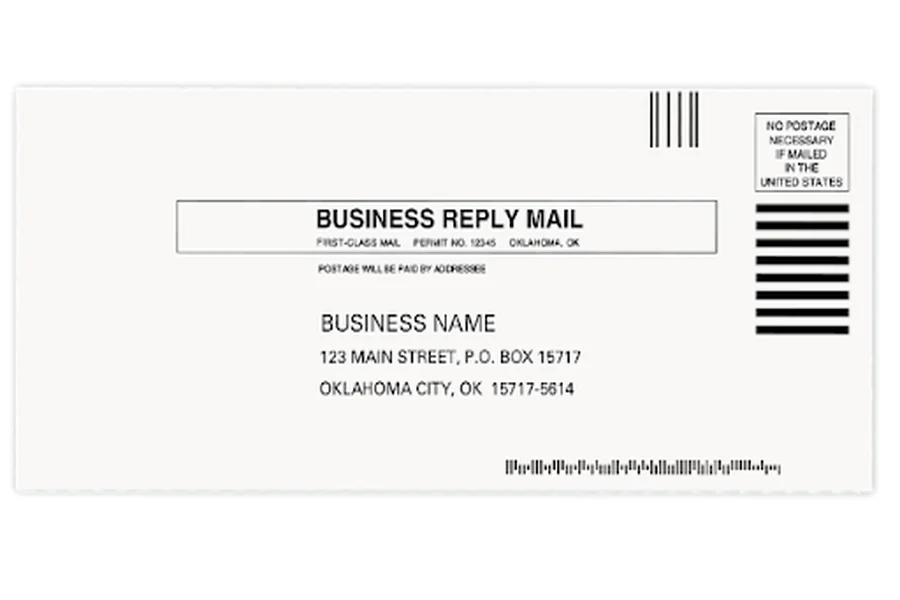
Many industries send mail that looks nearly identical from one company to the next, including insurance renewals, medical statements, and financial notices. When several near-identical envelopes land in the same mailbox around the same time, an unbranded one blends into the batch instead of standing out. A branded envelope cuts through that sameness, even when every competitor is using the same print vendor or template.
The advantage is largest in categories where several providers compete for the same recipient’s attention at once, such as open enrollment periods or tax season. A recognizable envelope tends to get set aside to open first, while generic-looking mail from competitors risks being opened last or not at all.
5. The Detail Shapes How Recipients Judge Company Size And Care
People judge a business based on details that have nothing to do with the product itself. An envelope printed on quality stock, with clean type and accurate colors, reads as the work of an organized, established company. A flimsy envelope with a smudged label or a hand-stamped logo suggests the opposite, even if the business behind it is perfectly capable.
That perception shapes how the contents get treated. A polished exterior primes the recipient to expect a polished letter, proposal, or invoice inside. That expectation carries into how seriously they take what they read once they open it, so a strong envelope should be followed by a letter that matches it.

Conclusion
Ultimately, a branded envelope does more than carry a letter from one place to another—it shapes how the recipient sees the business behind it.
From establishing legitimacy and building recognition to encouraging recipients to open and engage with the contents, thoughtful envelope design can make every piece of mail work harder. Consistent branding also reinforces the professionalism and care a company wants associated with its name.
When businesses treat envelopes as part of the overall brand experience rather than a simple mailing necessity, even routine correspondence becomes an opportunity to build trust, strengthen recognition, and leave a lasting impression.