How Lactobacillus Jensenii Supports Microbiome Balance
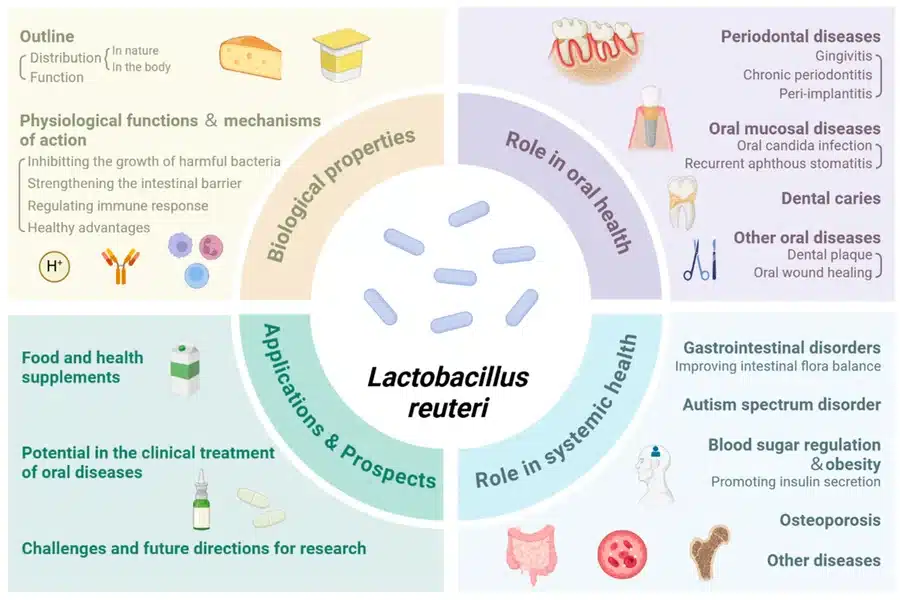
In our journey toward better health, understanding our microbiome has become increasingly important. With trillions of microorganisms residing in our gut, the balance of these microbial communities plays a crucial role in our overall well-being. One organism that stands out in this intricate web is Lactobacillus jensenii. Let’s explore how this beneficial bacteria supports microbiome balance and enhances our health.
Understanding the Human Microbiome
The human microbiome refers to the complex communities of microorganisms, including bacteria, fungi, viruses, and more, that inhabit our bodies. Most of these microorganisms reside in the gastrointestinal tract, influencing various aspects of human health.
In fact, the gut microbiome is often called the “second genome” because it plays a pivotal role in digestion, metabolism, and immune function. Each individual’s microbiome is unique, influenced by factors such as diet, lifestyle, environment, and genetics. Disruptions in this balance can lead to a variety of health problems, including gastrointestinal disorders, obesity, diabetes, and even mental health issues, highlighting the importance of maintaining microbiome harmony.
The Role of Lactobacillus Jensenii
Among the many microorganisms in our gut, Lactobacillus jensenii is a noteworthy member of the Lactobacillus genus, renowned for its probiotic properties. We often associate probiotics with gut health, but their roles extend further, including digestive support and enhancing the immune system.
Mechanisms of Action
Lactobacillus jensenii operates through several mechanisms to support microbiome balance. One key function is its ability to produce lactic acid, which helps lower the pH of the gut environment. A lower pH deters the growth of harmful pathogens and promotes the growth of beneficial bacteria.
Also, Lactobacillus jensenii produces various antimicrobial substances, such as bacteriocins, which inhibit the growth of pathogenic bacteria. This dual-action, lowering pH and producing antimicrobial compounds, creates a healthier gut environment, leading to enhanced microbiome diversity.
Benefits for Gut Health
When we think about gut health, Lactobacillus jensenii comes to mind as a champion. This strain not only aids in digesting food but also helps in absorbing essential nutrients. Studies have shown that it can alleviate symptoms of lactose intolerance, making dairy more tolerable for many people.
Also, L. jensenii has been linked to improved bowel regularity and the prevention of diarrhea. By fostering a balanced microbial environment, it aids in nutrient absorption and general gastrointestinal function, paving the way for better digestion and nutrient uptake.
Impact on Immune Function
The immune system is intricately linked to our gut health, and Lactobacillus jensenii plays a significant role in bolstering our defenses. Approximately 70% of our immune system is housed in the gut, making it a crucial player in our body’s ability to ward off pathogens.
- jensenii has been shown to enhance the immune response by promoting the production of specific antibodies and cytokines. This stimulation reinforces our immune defenses, allowing us to combat infections more effectively. Besides, a balanced microbiome acts as a barrier against invaders, preventing the establishment of harmful microorganisms.
Incorporating Lactobacillus jensenii into our daily routine can so not only improve our gut health but fortify our immune system, helping us fend off illnesses more effectively.
Factors Affecting Microbiome Balance
Maintaining a balanced microbiome is influenced by various factors, including our diet, lifestyle, and even stress levels.
How to Incorporate Lactobacillus Jensenii
To leverage the benefits of Lactobacillus jensenii, we can incorporate it into our diets through various sources. Probiotic yogurts, fermented foods like kefir and sauerkraut, and specific supplements can boost our intake of this vital strain. Daily consumption is key, regularly including L. jensenii in our diets can help maintain a balanced gut.
Potential Food Sources
Plus to supplements, we can enjoy several delicious foods that naturally contain Lactobacillus jensenii. Look for probiotic-rich yogurts that list it among the active cultures. Fermented foods, such as kimchi and pickles, are also excellent choices. These foods not only enhance our microbiome but also add unique flavors to our meals.
Supplementation Considerations
While dietary sources can provide us with Lactobacillus jensenii, supplementation may be a practical option for those seeking concentrated benefits. When choosing probiotics, look for products specifically mentioning L. jensenii, as not all probiotic supplements contain this strain.
We should also consider the viability of the bacteria, ensuring that the supplement guarantees live cultures until the expiration date. It’s important to consult a healthcare provider before commencing any new supplementation, particularly for individuals with existing health conditions or those taking medications, to ensure safe and effective use.
Conclusion
In our pursuit of optimal health, understanding the role of Lactobacillus jensenii within our microbiome is essential. This beneficial bacterium not only supports digestive health and enhances nutrient absorption but also boosts our immune function. By incorporating this probiotic into our diets through fermented foods or supplements, we can contribute to maintaining a balanced microbiome. Each small step towards improving our gut health can lead to significant overall wellness, empowering us to live healthier, more balanced lives.