
How Storytelling Can Change Your Brand Communication
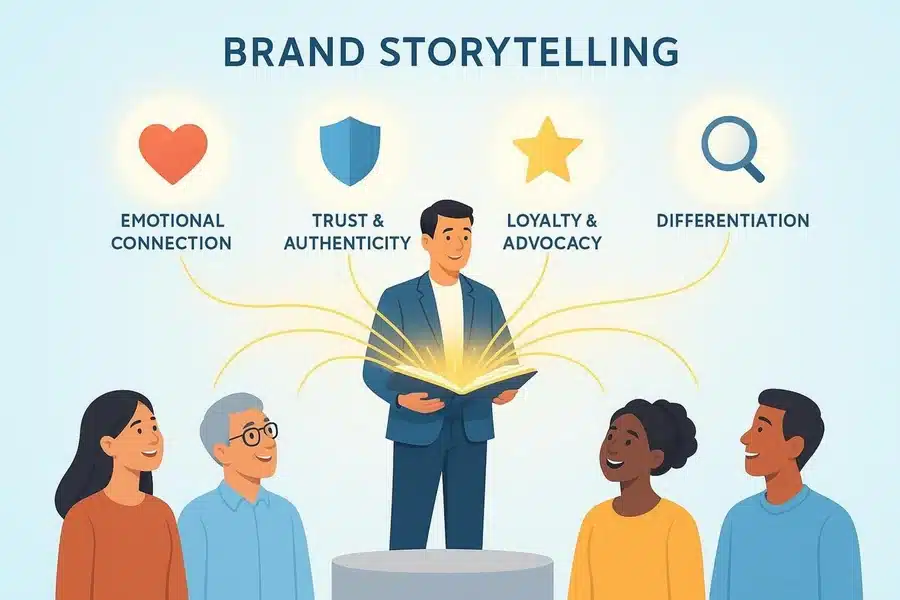
Today, people face a flood of ads and messages. The real question is not “what are you selling?” but “what story are you sharing?” Storytelling is more than a buzzword; it’s a shift in how brands connect with people. It turns a list of features into a clear, emotional conversation.
This isn’t just about facts; it’s about building stories that feel real, build trust, and lead to long-term attention and loyalty. Brands that use stories well don’t just sell; they invite people into a shared experience and form relationships that last.
What Is Brand Storytelling and Why Does It Matter?
Brand storytelling uses narrative to show a brand’s identity, values, and message. It builds a simple tale that goes past the transaction and connects on a personal level. Rather than listing what a product does, it shows how it helps, what problems it solves, and what goals it supports. This creates a fuller experience where people feel part of the brand’s journey, not just targets for a pitch.
In a fast, noisy market, a strong story cuts through the clutter and sticks. Maria Alonso, a Forbes Councils Member and marketer, says she has seen the “power of storytelling in engaging audiences, building brand loyalty and driving business success.” This is a proven way to stand out and build real relationships.
What Defines Storytelling in Brand Communication?
Storytelling stands out because it makes people feel something. It’s more than sending information; it sparks emotion and empathy and makes a message easy to relate to. It shares a brand’s identity, values, and mission in a way people can connect with. It includes real moments, challenges, and wins, giving the brand a human voice that speaks to people’s lives and goals.
Unlike classic ads that push a product, brand storytelling humanizes the company. It reminds us real people and real purpose sit behind every product. This builds trust and helps customers see themselves in the brand’s journey. The result is a shared space where brand and audience engage in a real way.
Why Do Stories Resonate in Marketing?
People are wired for stories. Our brains process stories like lived experiences, not just data. When we hear a story, the storyteller’s message can sync with how our brains fire. This link makes stronger emotional bonds and helps messages stick.
Stories also make information easier to remember than simple stats. When a brand tells a story, it taps into basic human responses-emotion, empathy, and connection. This emotional link is key to long-term bonds between brands and customers, making the brand easier to recall later.
How Does Storytelling Differ From Traditional Advertising?
Traditional ads often feel like a straight sales push-interruptive and one-sided. They spotlight features and benefits. A study by Picnic and YouGov found 70% of consumers actively avoid traditional ads, which shows how off-putting they can be.
Storytelling speaks with your audience, not at them. It invites people into a narrative and encourages them to take part. Instead of listing attributes, it blends them into a story that feels real and emotional. The goal is a relationship, not a hard sell.
This approach helps you stand out and create memories that standard ads rarely deliver-often with support from partners like a PR Agency All 4 Comms.
Key Benefits of Storytelling for Brand Communication
Using storytelling in your brand work leads to many gains beyond sales. It helps build strong, lasting ties with your audience so your brand feels like a trusted partner, not just a seller. These gains matter for steady growth and staying relevant in a crowded market.
Drives Customer Engagement and Attention
With constant scrolling and short attention, a good story grabs and holds interest. Brands that share stories people care about create a welcoming space where customers feel seen. This shows up in more comments, shares, and saves on Instagram, Facebook, and TikTok, and in people spending more time with your content. Stories spark back-and-forth talk and invite people to share their own moments.
This kind of engagement goes deeper than likes. It helps build a community. When people feel part of the story, they get more involved and often become supporters who spread the word.
Creates Emotional Connections With Your Audience
Our brains respond to emotion, and stories trigger those feelings. By using joy, nostalgia, hope, or shared struggles, brands build strong ties. This makes the brand easier to remember and more convincing. People often say, “We buy stories, not just products,” because emotion drives choice.
Once people feel an emotional link, they tend to pick that brand, even if the features are similar elsewhere. Share stories that match your audience’s values and goals to deepen that link. Over time, this creates loyal customers who support and recommend your brand.
Builds Trust and Authenticity
People are skeptical of ad claims, so honesty matters. Audiences can spot fake stories, which can hurt your brand. Real stories-about your origin, mission, lessons learned, or the impact on real people-build credibility.
Share your values and true experiences that shaped your brand. Customer quotes, case studies, and community impact stories work well. They help people feel they belong and lay the groundwork for long-term loyalty.
Differences Your Brand From Competitors
In a crowded field, a strong story helps you stand out. Sharing what makes you unique-your values, mission, and team-creates a clear identity. This helps people remember you.
Harvard Business School Professor Jill Avery says, “Brands that tell compelling stories have the power to break through the clutter and truly engage their audience.” This is especially important when products seem alike. Your story adds personality and meaning that set you apart.
Increases Brand Loyalty and Advocacy
Emotional bonds and trust lead to loyalty and advocacy. When customers connect with your story, they become more than buyers. They stick around and speak up for you.
This loyalty brings repeat purchases and word-of-mouth. People share their own stories about your brand, which spreads your message and strengthens community ties.
Core Elements of an Effective Brand Story
Great brand stories follow the same basics as great tales. They use structure and an understanding of how people think and feel. The parts below create a solid base for stories that feel real and move people to act.
Pinpointing Conflict or Challenge
Every strong story starts with a problem. Brands need to name the key pain points, fears, or hopes their audience has. This isn’t drama for drama’s sake-it’s about a real need your product or service addresses. Pete & Gerry’s, an organic egg brand, built three sub-brands to answer common worries: certified organic sourcing, food safety and quality, and honesty in egg production.
By stating the problem clearly, your brand steps in as the guide. The audience leans in to see how you help them win. It shows empathy first, then offers a fix.
Positioning the Customer as the Hero
In a brand story, the customer is the hero. Your brand is the guide that gives tools, tips, and support. To shape a story that fits, you need to know their drives, hurdles, and goals. Pete & Gerry’s CMO Phyllis Rothschild stresses knowing your target-attitudes, needs, and buying habits.
When you center the customer, they see how your brand helps them make progress. The focus moves from “what we do” to “what we help you do,” which builds a strong, personal link and celebrates their path toward a better state.
Developing a Compelling Plot
With the problem set and the hero named, outline the journey. Show the turning point, the hurdles, and how your brand helps. Map the change the hero goes through.
For example, the “Hen-Hugger” customer, upset by unclear egg production, gains confidence by choosing a brand that treats hens well. The move from frustration to relief makes the story relatable and clear.
Defining the Moral or Message
Every story needs a clear takeaway. It should match your values and mission and stick in people’s minds. Pete & Gerry’s adapts the lesson for each audience-for Health-Conscious buyers, the message is about certified organic eggs that fit a healthy lifestyle.
Good brand stories don’t lecture. They invite people to see the lesson in their own lives. A clear takeaway helps the story last beyond the moment.
Popular Types of Brand Stories to Tell
There are many ways to tell your story, and each style serves a purpose. Pick the type that matches your goals and audience.
Functional Brand Stories
These stories highlight product strengths and useful features that solve specific problems. They explain why your offer is the right fit and where it performs better.
For instance, Mavi’s Chief Brand Officer Elif Akarlilar focused on a wider range of jean sizes and lengths than rivals. Their story grew into the “Perfect Fit.” By meeting a clear unmet need, they showed real value and care for the customer.
Underdog and Challenger Narratives
People love underdog tales. When a brand faces bigger rivals, these stories shine by showing grit, purpose, and steady progress. Share your start, the obstacles, and key wins.
Nantucket Nectars embraced modest roots with a floating boat store. Its bottles read, “With only a blender and a dream.” Many customers relate to that scrappy start, which builds deep support over time.
Lifestyle and Aspirational Stories
These stories sell a way of living or a feeling. The brand becomes a path to that lifestyle.
Mavi’s “Maviterranean” line brought a fun, relaxed Mediterranean vibe to life. The emotional pull helped Mavi grow past its home market and reach people around the globe.
Stories About Social Mission and Purpose
Many buyers care about brands that do good. Stories about real social impact can shape how people see you-if you’re honest and steady.
Dove’s “Real Beauty Pledge” featured real women and took on low self-esteem and narrow beauty rules. The honest message backed inclusion and social impact and built a strong emotional link with the audience.

How to Improve Brand Communication with Storytelling
Shifting your brand voice with stories is an ongoing process. It needs planning, empathy, and creative work across all touchpoints. Use the steps below as a simple framework.
Know Your Audience’s Values and Needs
Start with a deep understanding of your audience. Go past age and location. Learn their wants, fears, values, habits, and goals. Build clear personas and treat them as the heroes. Shape stories that speak to their pain points. Phyllis Rothschild of Pete & Gerry’s points out how much it matters to match what people care about and how they buy.
Define and Clarify Your Brand’s Core Message
Decide what your brand truly stands for. What makes you different? What is your mission and which values guide you? Keep your main message short and clear. Every story should echo that core. Your visual identity should back it up, since people process images faster than words.
Identify and Use Authentic Stories
Honesty wins. Find real stories that fit your message-your founding moments, customer wins, product-building journeys, and the “why” behind your work. Use customer testimonials and case studies to show real results. True stories from real people connect more than made-up claims.
Structure Stories for Strong Impact
Even honest stories need structure. Use a simple arc:
- Setting: where and when the story happens
- Characters: your customer as hero, your brand as guide
- Conflict: the core problem or need
- Journey: steps, hurdles, and choices
- Outcome: the change and what it means
Some use a “nested loop” by starting one story, adding a related one, then closing both. Pick the pattern that makes your point clear and memorable.
Use Emotion and Sensory Detail
Decide which feelings fit your brand-hope, pride, comfort, safety, belonging, or joy-and write to those. Use concrete details and images. Rather than “Our product is high quality,” describe the careful craftsmanship, the feel of the materials, or a real customer’s smile.
Show, Don’t Tell
Back up claims with action. If you say you care about sustainability, share how you source materials, who you work with, and the results you get. Use photos, video, and real examples so people can see and feel the story.
Integrating Stories Across Multiple Marketing Channels
Your brand story should show up across all touchpoints. Consistent stories help people recognize you, feel connected, and remember you no matter where they see you.
Aligning Your Narrative on Social Media
Each platform has its strengths: Instagram for visuals, TikTok for quick clips, LinkedIn for professional insights. Adapt the same core story to each format. Share posts, short videos, and quick reads that reflect your values. Keep the thread steady so your story unfolds over time and invites people to join in.
Consistent Storytelling in Advertising and PR
Strong ad campaigns use story, not just product shots. In the 1990s, Nike let Michael Jordan’s journey do the talking, which created an emotional link with viewers. PR can carry stories into press coverage, interviews, and features. Use the same message across media releases and pitches to shape public view and reinforce your values. Plan how your stories will reach target groups through articles, media moments, and PR projects.
Engaging Audiences Through Content Marketing
Blogs, guides, and case studies are perfect for longer stories. Share your origin, challenges you faced, customer wins, and future plans. Teach and inspire at the same time so people trust you and want to pass your content along. Long-form pieces let you explore themes too big for short posts.
Using Video, Imagery, and Audio
Visual and audio tools bring stories to life. Video shows impact in action. Images set mood fast and work well on Instagram. Podcasts and voiceovers create an intimate feel. Mix these formats for a rich experience. For example, Airbnb’s YouTube channel highlights hosts, guests, and travel tips, making the idea of “live like a local” real.
Notable Examples of Brand Storytelling in Action
Some brands make stories the center of their marketing. They sell meaning and identity, not just items on a shelf.
Nike’s Athlete-Driven Narratives
Nike built its voice with athlete stories. Rather than spotlighting shoes alone, it shared the journeys of stars like Michael Jordan-hard work, setbacks, and wins. The swoosh and “Just Do It” showed up only at the end.
Nike still uses this approach on social media with helpful and inspiring content for athletes. It boosts awareness and loyalty by reflecting the audience’s own goals and barriers.
Dove’s ‘Real Beauty’ Campaign
Dove challenged narrow beauty standards by featuring real women and supporting self-esteem. The campaign spanned ads, articles, social posts, and workshops, and sparked global talk about beauty.
The honest message grew sales too-from $2.5 billion in 2004 to more than $4 billion-showing that purpose-driven stories can lift both brand impact and revenue.
Airbnb’s Host and Guest Stories
Airbnb’s story is about people, places, and belonging. Users want to hear about staying somewhere new, meeting locals, and exploring culture. Hosts and guests tell these stories best.
On YouTube and beyond, Airbnb shares host dedication, travel tips, and life in different countries. The focus on real experiences builds community and trust.
Spotify Wrapped and Personalized Storytelling
Spotify Wrapped turns each user’s data into a year-end story. It highlights favorite artists, genres, and listening moments in a fun, shareable way. People post their results widely each year.
In 2022, over 156 million people engaged with Wrapped. It shows how giving users tools to tell their own stories can deepen their bond with the brand.
Measuring the Impact of Storytelling on Brand Communication
Storytelling deals with feelings, but you can still measure how well it works. Keep track of key metrics, learn what resonates, and adjust your approach as you go.
Tracking Engagement Metrics
Watch likes, shares, comments, and mentions on Instagram, Facebook, X, LinkedIn, TikTok, Snapchat, Reddit, and Discord. Look at quality, not just volume-Are people asking questions? Sharing personal stories? Showing strong emotion?
Website data matters too. Track time on page, bounce rate for story pages, and clicks to products or services. Strong engagement suggests your stories are pulling people in and moving them closer to action.
Analyzing Conversion Rates and Sales Data
Your stories should lead to business results. Track conversion rates and sales linked to story-driven campaigns. Are people who view your stories more likely to buy? Which themes help specific products sell?
Also follow repeat purchase and loyalty trends. Emotional ties often lead to long-term customers and referrals.
Conducting Sentiment Analysis
To look closer at how people feel about your stories, use sentiment tools to gauge positive, negative, and neutral reactions across comments, reviews, and mentions. A high share of positive signals shows your message is landing well. Negative signals point to gaps or confusion.
Pair tools with surveys and feedback sessions for context. Track shifts over time and refine your stories based on what you learn.
Checking Brand Awareness and Recall
Measure brand mentions across the web and social platforms. More direct and organic search traffic can show that more people are seeking you out after seeing your stories.
Use surveys to check brand recall and recognition. Aim for stories that people can retell and link back to your brand quickly.
| Goal | Key KPI | Example Tools |
| Engagement | Comments, shares, saves, time on page | Platform analytics, Google Analytics |
| Sales impact | Conversion rate, revenue lift, repeat buys | Ecommerce dashboards, CRM |
| Sentiment | Positive/negative ratio, themes in feedback | Social listening tools, surveys |
| Awareness | Brand mentions, direct/organic traffic, recall | Social monitoring, search console, polls |
Best Practices and Tips for Strong Brand Stories
Great stories follow simple habits. Use the tips below to keep your stories honest, clear, and steady over time.
Be Genuine and Avoid Overhyping
People spot fake claims fast. Keep your stories honest and aligned with your values and mission. Skip big promises you can’t back up. Share real challenges, real fixes, and real impact. This builds trust and keeps your message grounded.
Incorporate Real Customer Voices
Customer voices add credibility. Use testimonials, case studies, and user-generated content to show outcomes in real life. People relate to people like them. This builds trust and community and turns buyers into active supporters.
Share Stories Consistently Over Time
Storytelling is ongoing. Keep a content plan with themes and messages across the year. Use brand guidelines so your tone, visuals, and logo stay consistent across teams and channels. A steady drumbeat helps people remember you and invest in your story.
The Future of Brand Storytelling
Marketing keeps changing with new tech and new expectations. Storytelling will keep growing with more immersive, personal, and interactive tools.
Emerging Trends in Narrative Marketing
Interactive stories are on the rise. AR and VR let people step inside brand experiences. A travel company can preview a destination in VR. A fashion brand can offer virtual try-ons. These tools make rich, multi-sense moments possible.
User-generated content will keep playing a big role by adding real voices and building community. Short “micro-stories” built for TikTok and Instagram will grow, fitting short attention spans with quick, engaging clips.
Personalization and Technology’s Role
Personal stories and smart tech go hand in hand. Data can help you shape stories that match each person’s tastes and behavior. AI can customize parts of a story so it feels more personal.
Still, tech should support the human side. Emotion, honesty, and clear structure come from people. Use tech to make stories more relevant and turn passive viewers into active participants-without losing the human touch that makes stories matter. Brands that do this well will stand out with fresh, memorable storytelling that takes audiences further than before.