Seasonal Changes- How Do They Affect Scalp Health and Hair Care Needs?
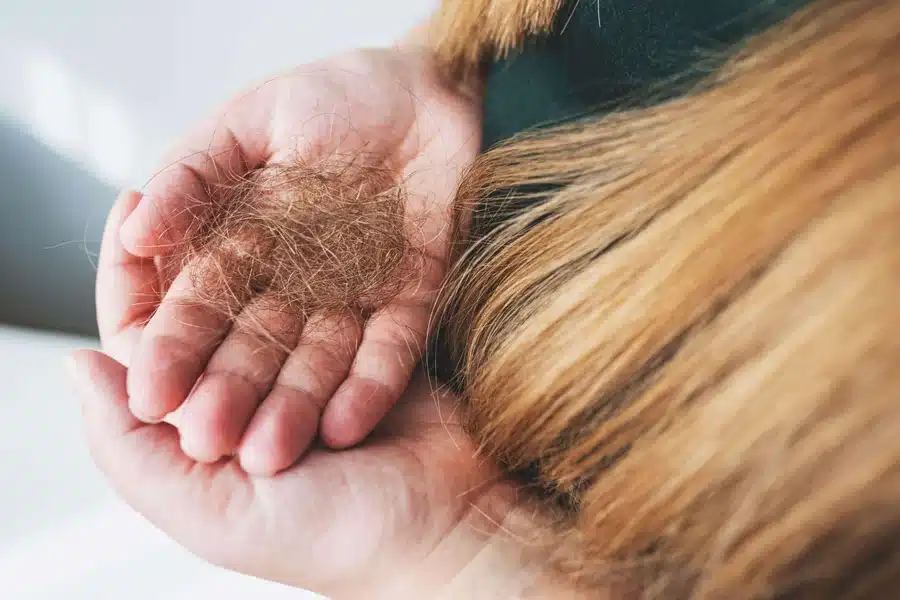
Seasonal transitions create distinct challenges for scalp health as environmental factors shift dramatically throughout the year. Temperature fluctuations, humidity changes, and varying sunlight exposure all influence how scalp tissues function and respond to care routines. These environmental shifts affect sebum production, cellular turnover rates, and moisture retention capabilities of scalp skin. The seasonal patterns help individuals adapt their hair care approaches to maintain optimal scalp conditions year-round. The natural hair growth cycle also responds to seasonal cues, creating periods of increased shedding or growth that coincide with environmental changes. Treatments available at the Hair and Scalp Spa in Tustin recognize these seasonal variations and adjust therapeutic approaches to address changing scalp needs throughout the year. Expert practitioners’ insight into how different seasons impact scalp physiology and modify treatment protocols to support healthy adaptation to environmental shifts.
Winter dryness challenges
Cold winter air contains less moisture, creating dehydrating conditions that strip natural oils from scalp tissues. Indoor heating systems further reduce humidity levels, intensifying the drying effects that can leave scalps feeling tight, flaky, and irritated. The combination of cold outdoor temperatures and heated indoor environments creates extreme moisture loss, disrupting the scalp’s protective barrier function. Reduced sebum production during colder months compounds these dryness issues, as oil glands naturally slow their activity in response to temperature drops. This decreased oil production leaves scalp skin more vulnerable to environmental damage and irritation. The lack of natural moisturization can lead to increased sensitivity and discomfort, affecting overall scalp health.
Spring renewal patterns
Warmer spring temperatures trigger increased cellular activity throughout scalp tissues as blood circulation improves with rising temperatures. This seasonal transition often increases hair shedding as follicles release winter hair to make way for new growth cycles. The shedding process represents normal seasonal adaptation rather than hair loss concerns.
- Increased blood flow delivers more nutrients to follicles
- Cellular metabolism accelerates with temperature rises
- Natural detoxification processes become more active
- Hormonal shifts support renewed growth cycles
- Vitamin D production increases with longer daylight hours
These spring changes create opportunities for scalp rejuvenation as natural repair processes become more efficient with improved environmental conditions.
Summer heat impacts
High summer temperatures and intense UV exposure create unique stressors for scalp health. Excessive heat can trigger overactive sebum production, leading to oily conditions that may clog follicles or create uncomfortable scalp sensations. Direct sun exposure also poses risks of scalp sunburn, particularly in areas with thin hair coverage.
- Increased sweating can alter scalp pH balance
- UV radiation can damage scalp skin cells directly
- Chlorine exposure from swimming affects scalp chemistry
- Air conditioning creates artificial drying conditions
- Higher humidity levels may encourage bacterial growth
These summer factors require adjusted care approaches to maintain healthy scalp conditions despite environmental challenges.
Autumn adjustment period
Fall weather brings cooling temperatures and decreasing humidity that signal scalp tissues to begin preparing for winter conditions. This transitional period often involves changes in sebum production as oil glands adjust to shifting environmental cues. Autumn also triggers natural hair cycle shifts as follicles respond to changing daylight hours. Many people notice increased hair shedding during fall months as part of standard seasonal adaptation patterns. This natural process helps remove older hair strands to make room for stronger winter growth. Seasonal awareness allows for proactive scalp care adjustments that support healthy adaptation to changing environmental conditions throughout the year, maintaining optimal scalp function regardless of weather patterns.