
How to Build A Social Media Growth Strategy That Lasts
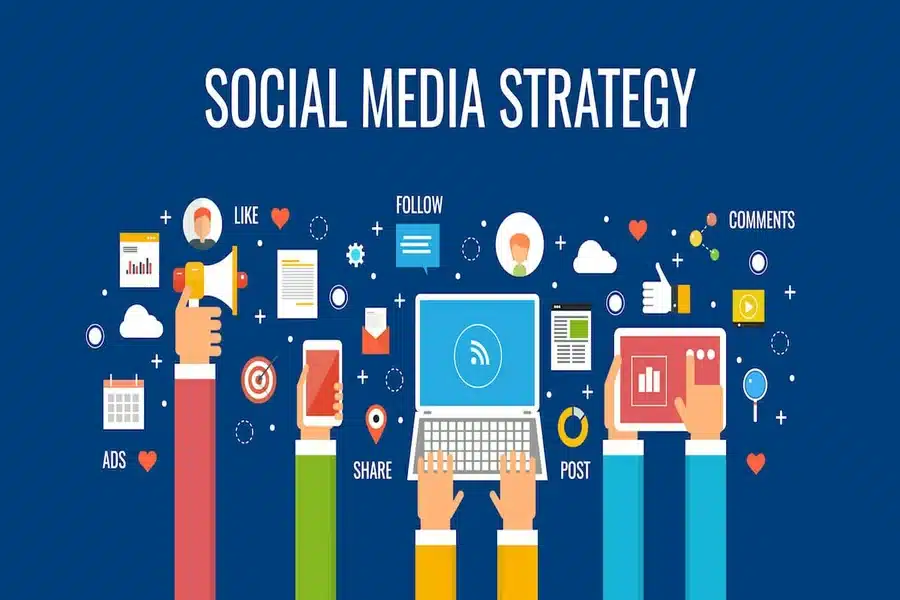
Anyone who works on social media can attest to how quickly the rules of social media change. One day you learn how to create engaging stories, and the next it’s reels that you have to rack your brains over. What’s more, algorithms change too. What worked perfectly for months suddenly stops generating traffic, and you are left with another quiz to decipher.
Yet, many brands still frantically chase every trend, instead of building a strategy that can weather all social media moves. Sure, it’s always worth keeping tabs on the trends and making use of them, but it’s no less important to strive for lasting results, not just quick wins.
The good news is that long-term success on social media has never been the result of viral moments alone. Businesses that thrive have clear goals, know their audience, and regularly measure performance.
In this article, we’re going to break down how to build a social media growth strategy that keeps working regardless of trends.
Follower Count Matters
As frustrating as it may be, follower counts always mean a lot, especially for a new business. People rarely trust a company with only a handful of followers, even if the product or service seems interesting and nice. They will search for a brand with a large audience as proof of its trustworthiness, reliability, and a proven track record.
The frustrating part is that for a business or brand that has just started out, attracting thousands of followers in a few weeks or months is no easy task. Even if they start posting content daily, growing a base of followers takes an exorbitant amount of effort, budget, and time.
This is why, for many, turning to social media growth services is a great starting point. With professional help, brands can quickly grow their following and then hit it hard.
Sure, numbers alone don’t translate into results. As a business or brand, your ultimate goal is to attract engaging content that interacts with your content, actively shares and comments, and/or places orders with you.
Determine Your Business Goals
Just as you start working on growing your audience, you should clearly outline your business goals. Why do you need social media in the first place? Is it the only platform you’re going to use, or are you looking to use it to increase your website traffic?
Other objectives could be:
- Generate qualified leads;
- Grow online sales;
- Build brand awareness;
- Improve customer loyalty;
- Create an active community.
Once you have an understanding of what social media should do for you, plan your next steps and decisions accordingly.
Know Your Audience Inside and Out
Once the goals are clear, it’s time to dig deeper and determine who your target audience is. This will help you better understand what type of content to create.
Many brands rely solely on demographics like age or location, but these two metrics don’t tell you the whole story. People may originate from the same area but have different interests and pain points. So, before you start working on content, start by analyzing:
- What your audience struggles with;
- What questions they ask;
- What type of content they usually share with others.
There are many tools that can help gather these insights, including platform analytics, customer surveys, website search data, and social listening. By understanding your customer behavior, you will find it much easier to identify the hooks that will capture their attention and make them want to follow you.
Choose Platforms That Match Your Audience
Another mistake some companies make is trying to dominate every social platform. This usually results in spreading their teams too thin. Instead, focus your efforts where your audience already spends time.
For example, if you’re B2B, LinkedIn is the best network for you. Many companies and businesses use this platform to connect with other professionals, build partnerships, and explore services and products.
If you heavily rely on visual assets, you should consider Instagram. Instagram has not lost its attractiveness and remains one of the best platforms for visual storytelling.
For companies producing video content, tiktok marketing agency offers the most value. It’s particularly great for short-form videos.
If your business is relatively small and you’re mostly interested in attracting local customers, you should work on your presence on Facebook. Facebook serves many local businesses and community groups.
X (formerly Twitter) can be used alongside another platform for product updates, real-time conversations, and other important announcements.
In short, don’t try to do everything at once. Start with one or two platforms, but make sure to make the most out of them. This will produce much better results than sporadic activity across five or six different networks.
Build Content Around Your Audience’s Needs
When working on the content, it can be tempting to start selling right away. However, this is where you should take a different angle. People come to social media to learn, laugh, discover new ideas, or connect with like-minded people, and brands that push promotional posts drop the ball. Instead, build your content strategy wisely: you want a balanced content mix.
Here’s the type of content successful businesses post to keep their following engaged:
- Educational content (how-tos, guides, tips, tutorials) – videos or stories that teach people something useful;
- Entertaining content – behind-the-scenes videos, creative storytelling, and trend participation;
- Community-focused content – anything that can engage your audience to interact like questions, customer stories, news, etc.
Stick to a Consistent Publishing Schedule
If you publish a post and then don’t do anything until the following week or month, you will struggle to build brand awareness. There are thousands of companies chasing the attention of your audience, and if they are more active, they’re more likely to take over your customers.
This is why having a consistent publishing schedule is essential. You don’t need to do five posts, tweets or videos a day. Create a realistic calendar that you can maintain over the long term. Many businesses create content in bulk and then publish it on a schedule throughout the month, which gives them free time to focus on other important tasks.
Having content calendars helps not only maintain consistent activity but also makes it easier to:
- Plan seasonal campaigns;
- Coordinate product launches;
- Balance different content types;
- Avoid last-minute posting.
Scheduling tools can help streamline publishing, but it’s still important to regularly check your posts and respond promptly if your followers leave comments.
Create Content for Each Platform
If you choose to publish on two or more platforms, make sure to repurpose your content so it fits the platform naturally. Posting identical content everywhere rarely delivers great results.
Each audience has different expectations, and social media platforms have different formats and algorithms. For example, a long LinkedIn guide would need to be trimmed to fit into Instagram’s carousel. In the same vein, a TikTok video could spark a great conversation thread on X.
Tailoring content takes time and requires different skills, but it’s exactly what increases engagement because it respects how people naturally use each platform.
Use Analytics to Improve Continuously
The main rule of this game is to measure results. All social media platforms have detailed analytics with a breakdown of reach, engagement, audience demographics, watch time, clicks, and conversions. Review these metrics regularly to answer questions such as:
- Which content receives the most saves?
- Which posts trigger comments and conversations?
- Which content drives website traffic?
- When are your followers most active?
The answers to these questions may reveal many opportunities that haven’t been obvious right away. It could be that you posted later than your audience was actively searching for content or maybe your posts lacked some funky hook.
Again, don’t chase vanity metrics. Focus on those that are directly tied to your business goals.
Stay Flexible as Algorithms Change
Social media algorithms change all the time. Therefore, relying on a single tactic can backfire sooner or later. At the same time, don’t waste your energy on chasing every rumor about algorithm changes. Instead, focus on fundamentals:
- Publish useful content;
- Encourage interactions through stories, surveys, and so on;
- Stay active;
- Monitor performance;
- Experiment with new features.
This approach creates resilience regardless of future platform updates.
According to the 2025 Social Media Marketing Industry Report, marketers who consistently test and adapt their strategies are more likely to report improved results than those who rely on fixed tactics.
Final Thoughts
To sum it all up, there’s no one formula that guarantees social media success. It’s a combination of a few things: understanding your goals, engaging the right audience, creating valuable content, sticking with a consistent publication calendar, and measuring your performance as you go.
Trends come and go, but fundamentals remain remarkably stable. Businesses that focus on long-term success don’t chase quick wins; they play the long game and consider social media as a marathon, not a sprint.